

In the world of manufacturing that keeps on changing, the Aluminum Extrusion industry keeps in step with innovations and sustainability. In developing their products, buyers worldwide must therefore understand the latest trends to make informed purchasing decisions. The information pertaining to the insights for 2025 demonstrates the key changes that will alter the Aluminum Extrusion arena, with reference to changes in technology, usage of material, and market demands. Thus, companies should understand these trends to remain competitive and match customer needs.
In Haixuan Metal Aluminium Profile Co., Ltd., we find ourselves in the position of a reputable original equipment manufacturer for the Aluminum Extrusion field. With the founding in the year 2011, we have built up a reputation over R&D made in Aluminum Extrusions and our many years in production and sales to supplying high-quality aluminium profiles in tune with the fast-changing requirements of the industry. Let us look at the key insights for 2025 and welcome global buyers to accompany us through the ever-changing world of Aluminum Extrusion, where innovation not only impacts the performance of products but also contributes to sustainable development.
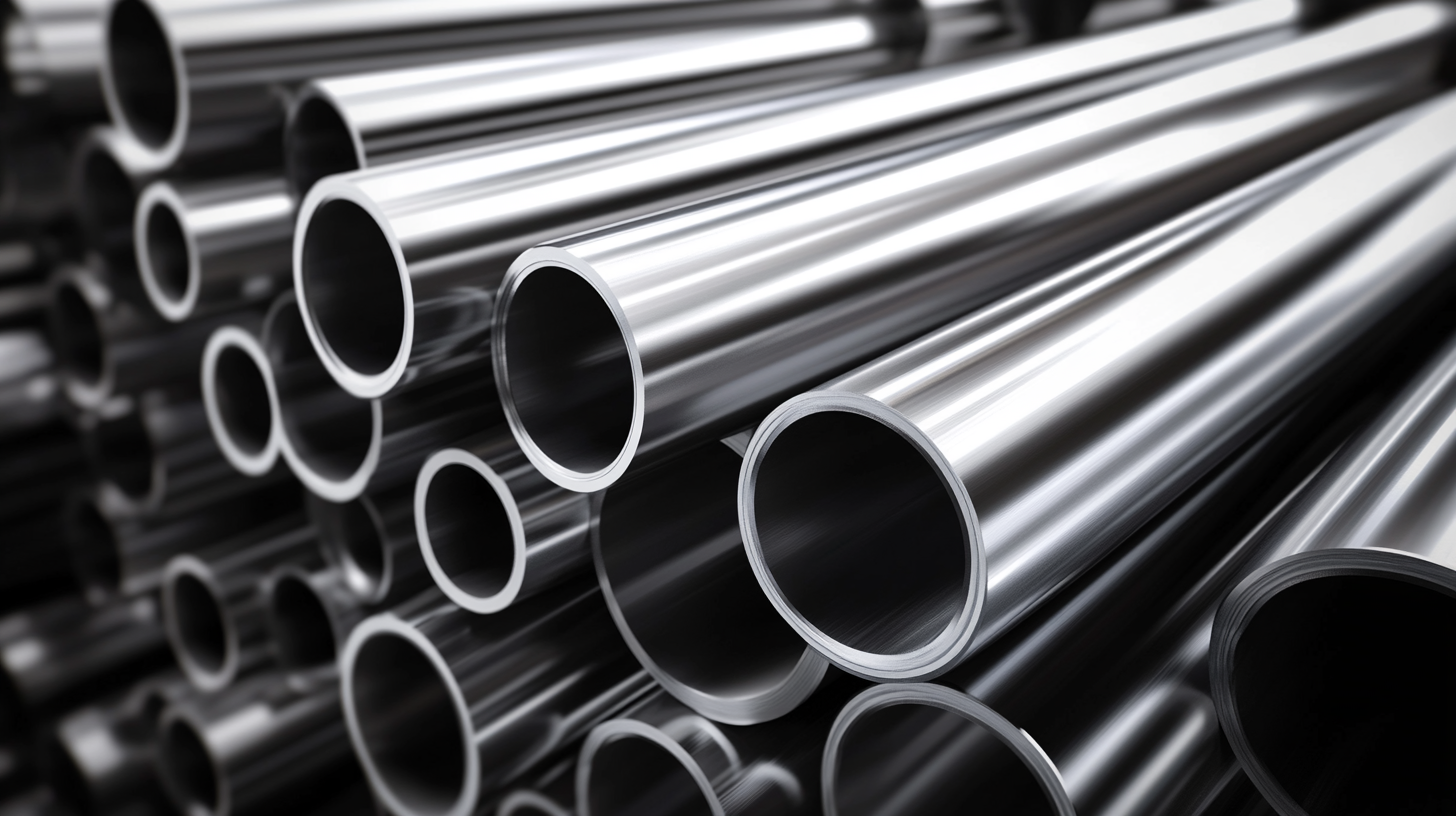
Through 2025, the aluminum extrusion market gets a make-over. Emerging technologies propel these changes within the industry. One of the important trends evolving is the aforementioned demand for aluminum in the automotive sector, specifically for making electric vehicles (EVs). The projections forecast a compound annual growth rate (CARG) of 17% for aluminum automotive sheets between 2020 and 2025-a promising indicator for the material's role on the road toward more efficient and lighter vehicles. One of the other noteworthy observations involves the advances that will be made in extrusion techniques such as automating most processes and embracing Industry 4.0 technology. The changes do not only foster greater productivity; they also lead to increased accuracy in the manufacturing process, enabling the production of intricate shapes and profiles. The aluminum extrusion sector has pioneered many advances using high-strength alloys, which tend to meet the stringent performance requirements of much of the automotive and aerospace industries. The latest upsurge in the price of alumina, achieving fresh heights, is another major economic parameter and definitely adds to the growing price in the market for aluminum. With the increases in prices for all raw materials, the companies have to innovate cost-effective ways of designing while maintaining quality in production processes. Exhibitions like the 2024 China International Aluminum Industry Exhibition will further showcase these innovations, uniting key-industry players to discuss and demonstrate future directions in aluminum extrusion technology.
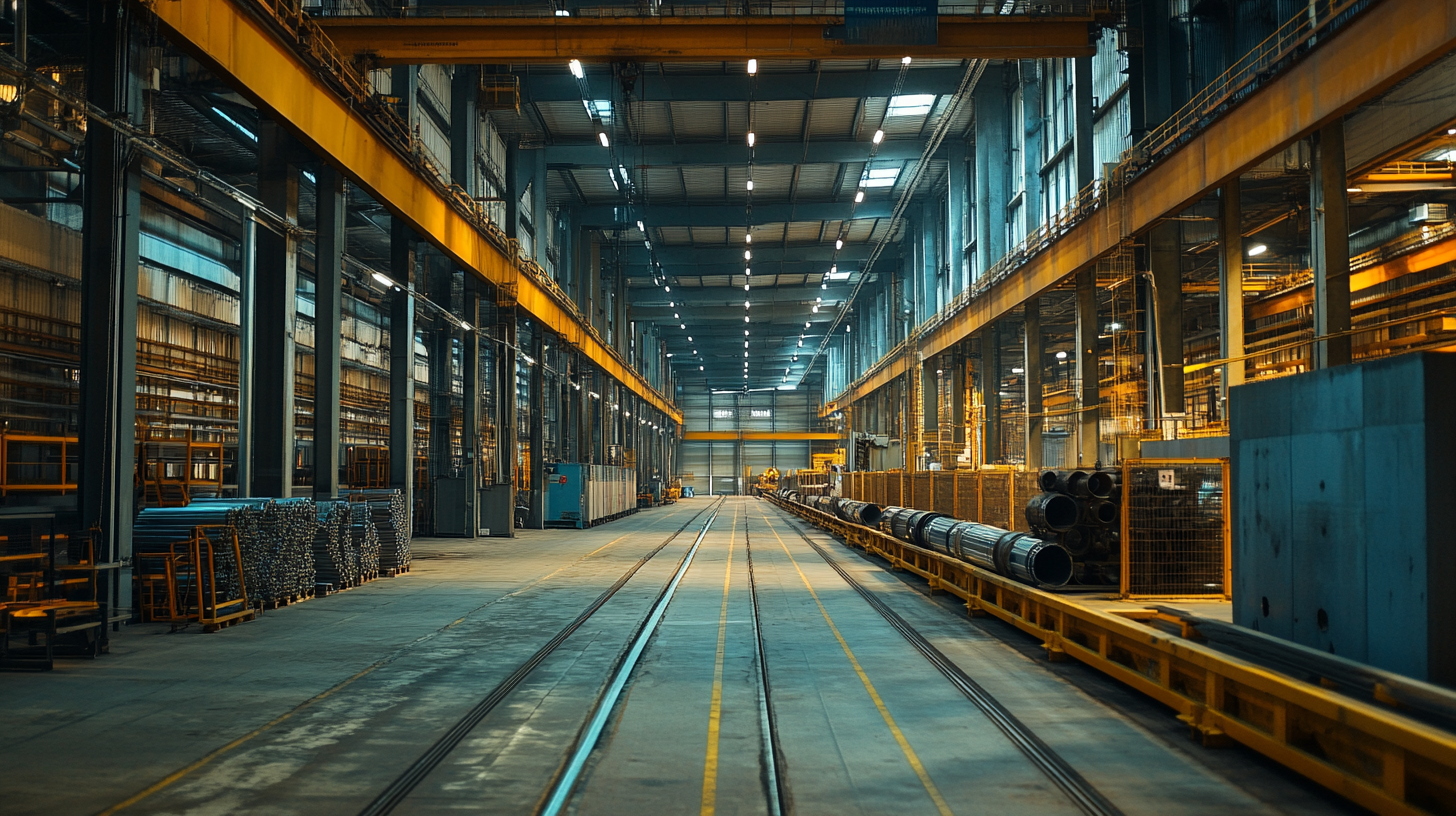
Aluminum's ever-growing market demand has pushed the industry into serious transformations basically under sustainability initiatives. 2025 trends disclosed the green shift in aluminum extrusion production systems. Firms are turning green by employing renewable energy-conscious practices and waste minimization approaches. This strategy actively counters environmental degradation while staying ahead of the game for regulatory compliance, which is almost universally tightening.
In addition, recycling technology has developed as one of the key pillars for ensuring sustainable production in aluminum. By optimizing the recycling of aluminum, producers minimize their carbon footprint and still obtain the increasing demand for high-quality extrusions. This circular economy strategy not only conserves resources but is also advantageous from an economic perspective, since recycled aluminum is directly comparable to primary aluminum in the market.
Finally, the implementation of advanced practices such as digital monitoring and AI-powered analytics will assist manufacturers in optimizing their processes. With these technologies, companies can monitor emissions, resource utilization, and overall efficiency in real-time, thus enabling informed choices towards sustainability. And, considering the rising trend of global buyers who are aware of their supply chain activities' environmental implications, these manufacturers inclined to sustainable practices will certainly receive alternatively greater competition in the aluminum market.

By 2025, aluminum extrusion market establishment will be slowly bending toward various key industries in changing the course. It is therefore extremely essential that global buyers become aware of these trends and adapt to them. The automotive industry, for instance, is heavily starting to use aluminum for weight reduction and improving fuel economy. This trend calls for advanced Aluminum Extrusion Profiles in lightweight structural components and is thus changing production strategy for manufacturers.
Another important player would be construction, which has also increased considerably the demand for aluminum extrusions, being one of the most extraordinary materials in terms of strength/weight ratio and corrosion resistance. Green design is slowly becoming an accepted solution, hence, architects and builders have been looking at aluminum for windows, facades, and other architectural items. At the same time, the realization of smart cities and major infrastructure projects is controlling an increased demand for durable and competent Aluminum Profiles.
Also, due to the aesthetic look and thermal workability of aluminum, the consumer electronics sector has certainly contributed to the market. As companies try to produce sleeker and more energy-efficient devices, the demand for custom aluminum extrusion will continuously increase. Therefore, by being aware of such trends concerning market demand, global buyers may be in a position to preemptively formulate their sourcing strategies and take advantage of growth opportunities in aluminum extrusion.

Aluminum extrusion is witnessing a change that is continually affecting buyers, wherein opportunities and challenges are shaped by global supply chain dynamics. Therefore, an immediate task for industry stakeholders as they move toward 2025 is to handle complex situations concerning sourcing, while also supporting resilient behavior amidst undulating times. One such menace is fluctuations in raw material prices caused by geopolitical turbulence and demand variation among markets: buyers need to be swift and apt in searching for alternative supply sources to alleviate risks of disruption.
On the other hand, store buyers are staring down a barrel of prospects in the aluminum industry due to the sustainability drive. With more consumers demanding green products, the companies that will score higher on their scoreboard will be those investing in sustainability in their supply chain activities. This includes the usage of recycled aluminum and energy-efficient production processes. Sustainable suppliers make good business sense and probably much more as a brand story, thus gaining more green consumers.
Moreover, technological innovation has continued to redefine supply chain dynamics. With the rise of digital platforms, buyers and suppliers experience more streamlined communication and transparency which enables better decision-making. As automation and AI undergo further development, buyers are optimizing their inventory management and minimizing lead times. The future landscape of aluminum extrusion seems to be blossoming, with ample opportunities for growth, given adeptness in navigating supply chain dynamics.
Innovative design trends are coming into being in the age of 2025 and transforming the aluminum extrusion industry into a place where new and innovative applications are evolving for different sectors. As the market starts warming up in conventional consumption peak times, companies are busy with new orders coming into effect via different segments. These trends denote demand, as well as changes in the way aluminum is being perceived in the design process.
One of the most significant trends in aluminum extrusion is an emphasis on sustainability and lightweight structure. Designers are increasingly after materials that not only fulfill their aesthetic requirements but also support environment goals. The advent of advanced technologies, such as 3D printing and smart manufacturing, is facilitating the making of custom aluminum profiles that add to functionality and performance. This paradigm shift enables aluminum to go into much more applications, ranging from architecture to automotive, where efficiency and design innovation are critical.
Further, the increase in demand for intricate designs and multi-functional components is stretching the frontiers of aluminum extrusion. Manufacturers are developing new profiles that are needed for very specific niche markets with customized solutions designed to meet specialized needs. As the aluminum global market grows further, these global trends will keep the users inquiring about the ever-advancing options and applications of aluminum extrusion, which would help in making strategic sourcing decisions.
This industry is undergoing quite a change in aluminum extrusions as we progress through 2025: players have begun to adapt their strategies as the market continues to evolve. A fresh study report from companies based in such regions as Foshan mentions that the aluminum market in this recovery phase of new orders across different sectors is up. Such demand points to growing consumption among sectors of aluminum products, especially regarding automotive and construction.
Competitive analysis differentiates key players as they explore different market segments. Some players align their supply chains with major producers in the automotive sphere, reflective of movement towards partnerships for continuing supply and innovation. There are leading component suppliers; they are now closely working with leading automotive manufacturers to meet the increasing demand from new energy vehicle projects.
More importantly, another aspect of the industry that has been highlighted in the latest studies is the focus of the aluminum extrusion market on sustainability and technological developments. They have thrown money at waste-reducing, energy-efficient processes just as regulatory pressures came into play, but also with the intention to attract consumers aware of environmental issues. These strategic changes will be much needed by companies to face the challenges and opportunities of the coming dynamic landscape in 2025.
Understanding the factors influencing costs is crucial for buyers worldwide as the aluminum extrusion market evolves. The price of raw materials, affecting every aspect of aluminum extrusions, invariably influences pricing trends. The Aluminum Association's recent report forecasts that the demand for primary aluminum will see an annual growth of 3.5% till 2025, mostly on the back of applications in the automotive and construction industries. Increased demand will exert upward pressure on raw material costs, and consequently, extruded product pricing.
Energy prices add to the uncertainty in the cost structures defined in aluminum production. Costs of energy account, according to the International Energy Agency (IEA), for up to 30% of the total production cost of aluminum. The transition to renewable energy will continue to increase volatility in prices; therefore, buyers must factor such dynamics in energy costs during negotiations with their suppliers.
Also, global supply chain disruptions have been a recurring theme in recent years, leading to extended lead times and increased costs. McKinsey & Company notes that almost 80% of aluminum producers have faced supply chain bottlenecks, causing huge price increases. It is important for buyers to keep on top of market dynamics and adjust their procurement strategies in real-time to mitigate the risk of raw material and price volatility for aluminum extrusions, as many companies learn to adapt to this changing environment.
Aluminum extrusion markets will transform significantly after the year 2025 due to increased technological and consumer demand. A report published recently by Allied Market Research says that the global market for aluminum extrusions is projected to exceed $121.6 billion by 2026. It will register a CAGR of 5.3% growth from 2019 to 2026. The applications of aluminum form a seamless connection with the increasing use in construction, automotive, and electronics applications, where lightweight materials and high-strength materials are in higher demand.
With the recent emergence of advanced technologies, such as 3D printing and smart manufacturing, it is expected that they will revolutionize the present and future aluminum extrusion market. These advanced manufacturing technologies will increase production efficiency and also accommodate changing industrial design demand. In addition, the green revolution that is sweeping toward a circular economy will require those manufacturers to adapt their waste-reducing and recycling-using practices as observed by the International Aluminum Institute, which also states that more than 75% of aluminum produced is still in use today.
Buyers across the globe will have to take note of trends set for their regions, especially in Asia-Pacific, where aluminum extrusion demand is rapidly surging. These two countries account for the robust growth in demand owing to the rising levels of infrastructure and investment in electric vehicles. The Asia-Pacific aluminum extrusion market is expected to grow with a CAGR of 6.4% through 2025 according to Market Research Future. Entirely dynamic changes and opportunities lie ahead in the aluminum extrusion landscape, necessitating strategic planning for the buyers to remain competitive within a few years.
The increasing demand for aluminum in the automotive sector is primarily driven by the rise of electric vehicles (EVs), with projections indicating a compound annual growth rate (CAGR) of 17% for aluminum automotive sheets from 2020 to 2025.
Advancements in extrusion techniques, particularly the integration of automation and Industry 4.0 technologies, are enhancing production efficiency and precision in manufacturing, allowing for the creation of complex shapes and profiles.
The surge in alumina prices, which have reached new highs, is a critical economic factor affecting the aluminum market, prompting companies to innovate and find cost-effective solutions while maintaining quality.
Buyers face challenges such as volatility in raw material prices driven by geopolitical tensions and varying demand across markets, requiring them to explore diverse supply sources to mitigate risks.
The shift towards sustainability offers significant opportunities for buyers, as companies that invest in eco-friendly practices, such as using recycled aluminum and energy-efficient production techniques, can gain a competitive advantage and enhance brand reputation.
Technological advancements, particularly through digital platforms, allow for improved communication and transparency between buyers and suppliers, enabling better decision-making and optimization of inventory management.
The demand for primary aluminum, which is projected to grow by 3.5% annually through 2025, along with fluctuations in energy prices that can account for up to 30% of production costs, significantly influence the pricing trends of aluminum extrusions.
Global supply chain disruptions have resulted in increased lead times and costs, with around 80% of aluminum producers affected, leading to significant price increases and necessitating proactive procurement strategies from buyers.
Energy prices play a vital role in the cost structure of aluminum production, and their volatility, especially with the transition to renewable energy sources, can significantly impact total production costs.
It is crucial for buyers to stay informed about market trends and dynamics related to raw material and pricing fluctuations, as this knowledge is essential for mitigating risks and making informed procurement decisions.





 wechat

