Hey, have you noticed how global demand for Aluminum Alloy Profiles is really picking up lately? It’s pretty clear that these profiles are being used more and more across different industries. Big players like Alcoa and Novelis are definitely at the forefront, pushing out some pretty cool, innovative designs. If you're into this stuff, people are pretty eager to see which profiles are trending in 2026 — lots of chatter among enthusiasts and pros alike.
Finding the perfect Aluminum Alloy Profile isn’t just about picking the fanciest one. You gotta understand what makes each alloy special — stuff like strength, durability, and weight. Picking the right profile really depends on what your project needs. When you get it right, it can seriously boost both how it looks and how well it works.
But hey, not every profile is a one-size-fits-all kind of deal. Some just don’t perform as expected, or maybe they’re hard to get. This whole process often turns into a bit of trial and error — you try a few options, see what sticks. Companies have to weigh their costs against quality, and that often gets them thinking about the best ways to source these profiles without breaking the bank. It’s a balancing act for sure.

The global aluminum alloy profile market in 2026 shows exciting trends. Manufacturers are focusing on lightweight designs. These profiles support various industries, such as construction and automotive. The demand is increasing for high-strength materials. Advanced technologies are crucial for creating innovative alloys.
Market dynamics are shifting profoundly. Emerging economiesare rising as key players. They are investing in infrastructure and manufacturing. This creates a surge in demand for Aluminum Profiles. Yet, challenges remain.Environmental regulations are tightening. Companies must adapt to these standards while maintaining quality.
Moreover, sustainability is becoming a priority for buyers. There is a push for recycled materials in the production process. This interest can drive innovation, but it also raises questions about sourcing. Balancing cost and sustainability is not straightforward. The future requires thoughtful strategies and collaboration across the industry.
In 2026, the demand for Aluminum Alloy Profiles is expected to surge across various industries. This increase can be attributed to several factors. Key industries such as construction, automotive, and aerospace are increasingly adopting lightweight materials. Aluminum alloys deliver strength and durability without the heavy weight. This can lead to improved fuel efficiency and reduced emissions in vehicles.
Sustainability is another major driving force. Governments and corporations are pushing for greener practices. Aluminum is fully recyclable, making it an attractive choice. Manufacturers are focused on reducing their carbon footprint. High recycling rates can significantly lower production costs and energy usage.
Another consideration is technological advancements. Innovations in aluminum alloy processing have made it possible to create more specialized profiles. These developments enable customization for different applications. However, staying ahead of the curve can be challenging. Companies must invest in research and development to remain competitive. Thus, understanding market trends will be crucial for success in 2026.
In the evolving market for aluminum alloy profiles, distinct types play pivotal roles across various industries. Commonly classified alloys include 6061, 6063, and 7075. Each alloy has unique properties suited for specific applications. For example, 6061 is known for its excellent corrosion resistance, making it ideal for construction. It is robust yet lightweight, appealing to many builders and architects.
On the other hand, 6063 offers an attractive finish and is often used in architectural applications. Its ability to form intricate shapes adds to its popularity. In contrast, 7075 provides high strength, commonly found in aerospace and military products. However, its higher cost might deter some buyers. The demand for these profiles from regions like China continues to rise due to affordability and innovation.
Navigating the market requires understanding these materials' suitability and characteristics. Buyers often face challenges in selecting the right aluminum alloy profiles. It’s crucial to weigh the benefits against the costs. Continuous research and knowledge of industry standards can guide informed decisions. Ultimately, knowing how each aluminum alloy profile fits specific needs is essential for any global buyer in this competitive landscape.
In 2026, the aluminum alloy profile market is set to grow. Major global suppliers are adapting to demand fluctuations. They focus on sustainable manufacturing practices. Many companies now prioritize eco-friendly materials. This shift reflects consumer preferences for greener products.
It’s essential to consider the dynamics of the supply chain. Some suppliers face challenges in sourcing raw materials. This can impact production timelines. Availability of skilled labor is another concern. Companies must invest in training and development.
Moreover, some suppliers have inconsistent quality. This inconsistency can lead to project delays. Buyers need to conduct thorough supplier evaluations. A reliable vendor can ensure projects meet specifications. Navigating this landscape requires careful planning and research.
| Region | Estimated Market Size (Billion $) | Major Applications | Growth Rate (%) |
|---|---|---|---|
| North America | 5.2 | Transportation, Construction, Aerospace | 3.5 |
| Europe | 4.8 | Automotive, Packaging, Industrial | 4.2 |
| Asia-Pacific | 8.1 | Electronics, Building, Transportation | 6.0 |
| Latin America | 1.5 | Construction, Consumer Goods | 2.0 |
| Middle East & Africa | 2.0 | Energy, Transportation | 3.0 |
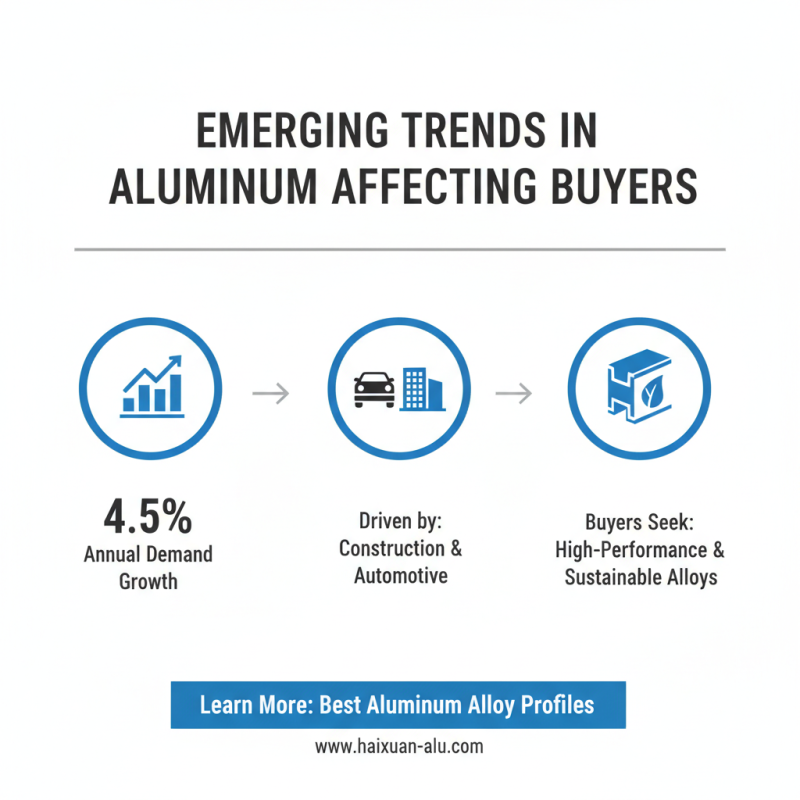
The aluminum industry is witnessing transformative shifts that impact global buyers. Recent studies by various market researchers indicate that demand for aluminum is growing at an annual rate of approximately 4.5%. This rise is largely driven by the construction and automotive sectors, which are increasingly favoring lightweight materials for enhanced fuel efficiency and durability. Buyers are now seeking the Best Aluminum Alloy Profiles to meet both performance and sustainability standards.
Emerging trends present opportunities but also challenges. The shift toward sustainable practices is compelling manufacturers to invest in eco-friendly production techniques. A report from the Aluminum Association highlights that about 75% of all aluminum ever produced is still in use. This emphasizes the need for efficient recycling processes, which buyers must consider. However, the increasing complexity in supply chains may lead to inconsistencies in quality. Buyers should take care in sourcing materials that uphold their standards.
Furthermore, technological advancements in aluminum processing are redefining quality benchmarks. Innovations such as advanced casting and welding techniques are set to improve material properties significantly. Yet, there's a risk of information overload, as buyers navigate a saturated market. It is crucial for stakeholders to stay informed about these trends while maintaining focus on what truly defines the Best Aluminum Alloy Profiles for their needs.
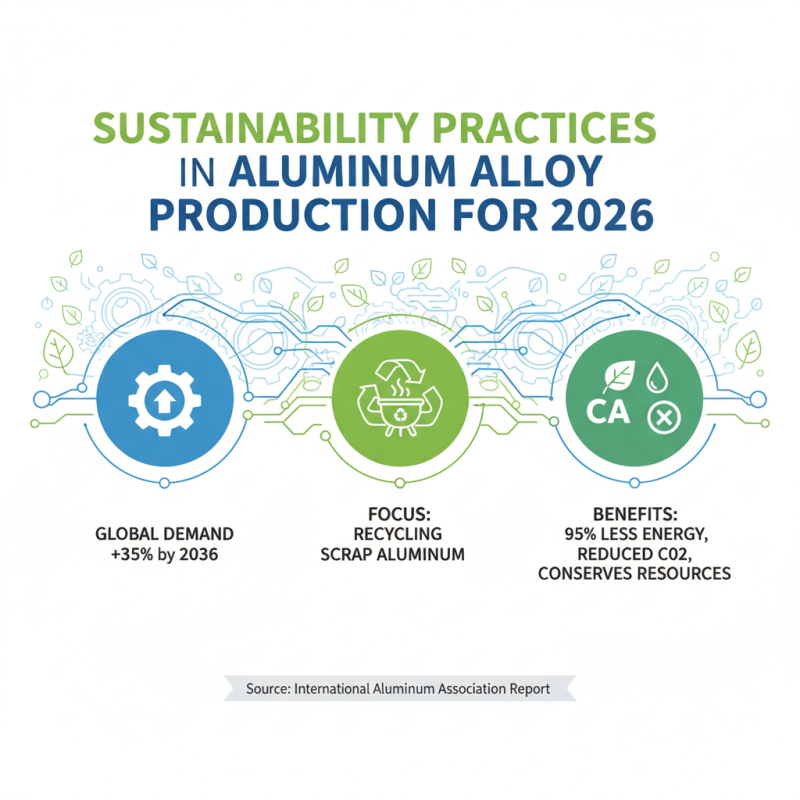
Sustainability in aluminum alloy production is increasingly essential as we approach 2026. A recent report by the International Aluminum Association highlights that the demand for aluminum will rise by 35% over the next decade. This surge comes with a responsibility to adopt greener practices. Many producers are now focusing on recycling scrap aluminum, which requires only 5% of the energy compared to primary aluminum production. This shift not only reduces carbon footprints but also conserves resources.
The importance of utilizing renewable energy sources cannot be overstated. Manufacturers are exploring solar and wind power to mitigate emissions. A study reveals that factories using renewable energy can cut greenhouse gas emissions by up to 75%. Despite these promising figures, challenges persist. The transition towards sustainable practices often involves high initial costs and technical hurdles. Not all Aluminum Alloy Profiles Suppliers are fully equipped to make this shift smoothly.
Moreover, supply chain transparency remains a significant issue. Stakeholders must ensure that the materials sourced are ethically obtained. Recent research shows that only 20% of buyers actively check the sustainability credentials of their suppliers. This gap highlights a need for better industry standards. Cooperation between buyers and suppliers is vital. A collaborative approach can foster more responsible practices that align with global sustainability goals.
Sourcing aluminum alloy profiles presents buyers with unique challenges. Global buyers often struggle with quality consistency. Different manufacturers may provide varying standards of production. Identifying reliable Aluminum Alloy Profiles Manufacturers can be daunting. Each manufacturer has its own specifications. Miscommunications in these specifications lead to confusion.
Delivery timelines also pose significant issues. Buyers frequently face delays, which disrupt their project schedules. Finding suppliers who can meet tight deadlines is crucial yet complicated. Additionally, fluctuating prices in raw materials add another layer of difficulty. Buyers need to stay informed about market trends to negotiate effectively.
Another challenge is ensuring compliance with industry regulations. Buyers must verify that their suppliers adhere to specific standards. Non-compliance can lead to significant legal repercussions. This requires diligence from buyers, who may lack the technical expertise to scrutinize certifications. Establishing partnerships with experienced Aluminum Alloy Profiles Manufacturers can mitigate these problems. Such alliances foster trust and lead to better procurement strategies.
In the realm of construction and design, the demand for materials that combine durability and aesthetic appeal has never been higher. Aluminum extruded tubes with wood grain finishes are emerging as a popular choice, particularly due to their impressive 15-20 year outdoor warranty. This longevity, coupled with a natural wood-like appearance, allows architects and builders to create spaces that not only stand the test of time but also exude elegance. Industry reports indicate that these finishes can mimic the beauty of real wood while providing the resilience needed for exterior applications.
Customers looking for versatile options will find a variety of colors available to suit their design needs. This adaptability ensures that the aluminum tubes can complement diverse architectural styles, enhancing both commercial and residential projects. Additionally, the option for OEM and ODM services allows for customized solutions that cater to specific project requirements. As the trend toward high-performance materials continues to grow, these wood grain aluminum tubes promise not just aesthetic enhancement but also a practical solution to meet the long-term demands of outdoor environments.
: Lightweight designs and high-strength materials are trending. Manufacturers are focusing on innovation and advanced technologies.
They are investing in infrastructure, boosting demand for aluminum profiles. This growth changes market dynamics significantly.
Sourcing raw materials and maintaining quality are significant challenges. Skill shortages also affect production timelines.
There is a growing demand for recycled materials. Many producers are adopting greener practices and renewable energy sources.
Producing aluminum from recycled sources uses only 5% of the energy required for primary production. This conserves resources and reduces emissions.
Transparency is critical for ethical sourcing. Most buyers do not check their suppliers' sustainability credentials regularly.
High costs and technical challenges hinder smooth transitions. Not all suppliers are equipped for the shift.
It fosters responsible practices in the industry. Cooperation ensures alignment with sustainability goals and better sourcing methods.
They should conduct thorough evaluations of suppliers. Reliable vendors help meet project specifications consistently.
Using renewable energy sources can reduce emissions significantly. Some factories achieve reductions of up to 75%.
The article "2026 Top Aluminum Alloy Profiles for Global Buyers Insights" provides an in-depth analysis of the aluminum alloy profiles market, highlighting key trends and developments expected in 2026. It outlines the increasing demand for aluminum alloy profiles driven by their versatile applications across various industries, including construction, automotive, and aerospace.
Additionally, the article discusses the major global suppliers and the evolving landscape of sustainability practices in aluminum production. Emerging trends, such as advancements in recycling and eco-friendly manufacturing processes, are set to influence buyer decisions. However, buyers may also face challenges in sourcing aluminum alloy profiles, necessitating a comprehensive understanding of the market dynamics and supplier capabilities to navigate these complexities effectively.