One Stop Solution For Aluminum Profiles
调查
表单加载...
0%

Aluminum Extrusion is a fascinating manufacturing process. It transforms aluminum into various shapes and sizes. Many industries utilize this method for distinct applications. From construction to automotive, its versatility is impressive.

Aluminum's lightweight properties make it ideal for modern designs. Companies like Hydro and Constellium have perfected this technique. Their products often feature precision and durability. The process involves forcing heated aluminum through a die. This creates shapes tailored to specific needs. However, it's not always seamless. Challenges can arise in achieving uniformity. Quality control becomes essential to prevent defects.

Despite the advancements, the industry faces hurdles. Recycling remains a significant concern. Sustainable practices are necessary for future growth. Emphasizing responsible sourcing enhances the reputation of Aluminum Extrusion. As the demand increases, innovation must continue to meet expectations. Balancing efficiency and environmental impact is key.
What is Aluminum Extrusion and How is it Used?

What is Aluminum Extrusion?

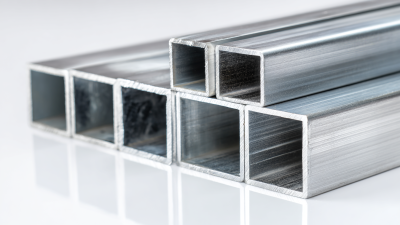
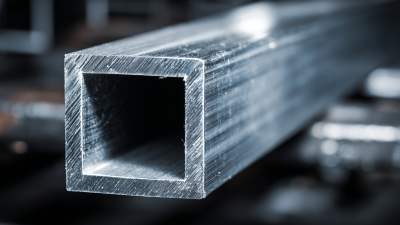
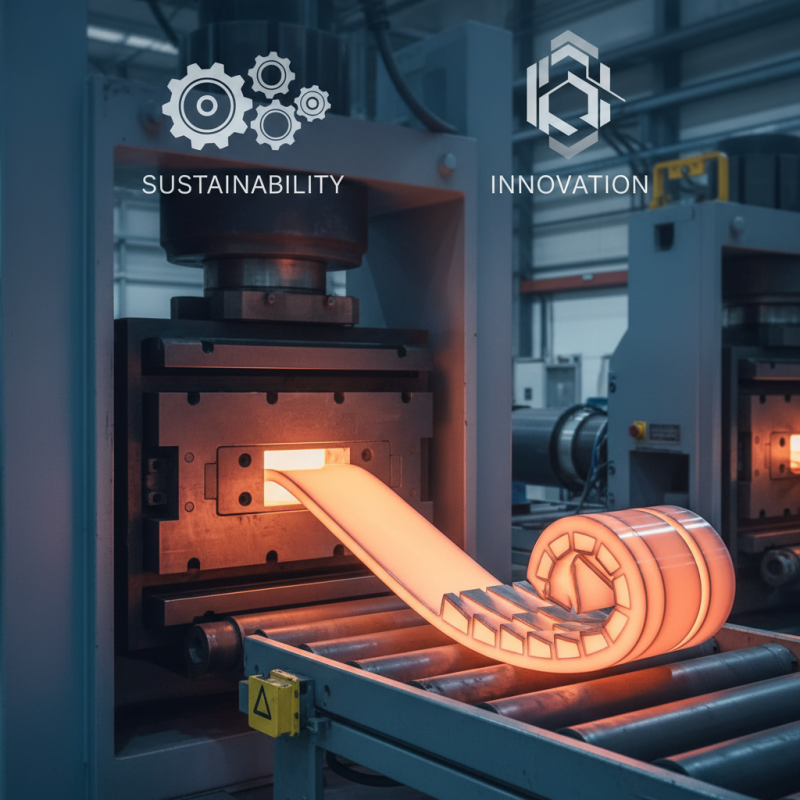
Aluminum extrusion is a manufacturing process that shapes aluminum into specific profiles. This involves forcing heated aluminum through a die, creating various shapes and designs. The process can produce long lengths of consistent and complex shapes. These shapes are known as Aluminum Extrusion Profiles. They find application in construction, automotive, and electronics industries.

The versatility of Aluminum Extrusion Profiles makes them popular. They can be designed for different purposes, ranging fromstructural components to decorative elements. Designers appreciate the ability to create lightweight and durable products. However, the process isn’t without its challenges. Maintaining uniform quality throughout the extrusion can be difficult. Sometimes, defects like surface imperfections or warping occur.

Each extrusion project requires careful planning. Designers must consider the end-use of the profiles being created. It is essential to understand the mechanical properties of aluminum. Determining the right alloy is crucial. In some cases, a less suitable alloy may lead to underperformance. Therefore, attention to detail is vital for successful aluminum extrusion.

Historical Development of Aluminum Extrusion

The history of aluminum extrusion dates back to the 19th century. In 1852, the first patent for an extrusion process was filed in Britain. However, significant developments occurred much later. By the 1940s, World War II accelerated the use of aluminum for military applications. This was a turning point for the material, gaining popularity for various industrial applications.

Post-war, the demand for lightweight and durable materials surged. Aluminum extrusion processes evolved rapidly during this period. Standard Aluminum Extrusion Profiles emerged as a solution for many industries. Reports from the Aluminum Association indicate growth rates of around 7% in demand from 2015 to 2020. Industries like construction and automotive began to adopt these profiles extensively.

Despite its advantages, aluminum extrusion has challenges. Quality control can be inconsistent. Differences in fabrication practices can lead to varying outcomes. The need for standardization is crucial. As the industry grows, addressing these issues remains essential for ensuring reliability. Many hope for advancements in technology to improve the process further.

The Process of Aluminum Extrusion Explained

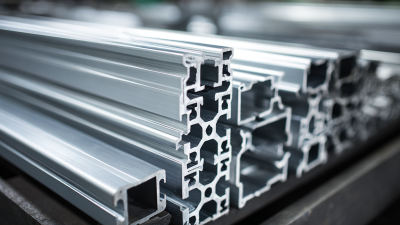
Aluminum extrusion is a vital process in the manufacturing industry. It involves shaping aluminum by forcing it through a die. This creates long, uniform shapes with various cross-sectional profiles. The T Slot Aluminum Extrusion Profiles are especially popular due to their versatility. These profiles find applications in construction, furniture, and machinery.

The extrusion process begins with heating aluminum to about 800°F. Once softened, it's pushed through a custom die. This method allows manufacturers to produce complex shapes in a highly efficient manner. According to industry reports, aluminum extrusion production has grown by 5% annually. This growth reflects the increasing demand for lightweight and durable materials.

Despite its advantages, the extrusion process has limitations. Not every shape can be produced efficiently. Some intricate designs may require additional machining. This can increase costs and production time. The industry continuously seeks better techniques to overcome these challenges. Innovations like 3D printing are being explored. Yet, achieving the perfect balance of efficiency and quality remains a work in progress.

Aluminum Extrusion Usage in Various Industries

Key Properties and Advantages of Aluminum Extrusion

Aluminum extrusion is a process that shapes aluminum by forcing it through a die. This method produces long shapes with consistent cross-sections. The key properties of aluminum extrusion make it widely used in various industries. This includes automotive, construction, and aerospace.

One of the major advantages of aluminum extrusion is its lightweight nature. Aluminum is about one-third the weight of steel. This quality helps reduce transportation costs. Another important property is its corrosion resistance. Aluminum can withstand harsh environments without deteriorating. According to industry reports, aluminum extrusions can lead to energy savings of up to 30% in vehicle fuel consumption.

Tips: When selecting aluminum for a project, consider its strength-to-weight ratio. This can greatly influence performance and efficiency. Also, think about the finish needed; various coatings can enhance durability.

Flexibility is another significant advantage. Extrusions can be custom-designed to fit specific requirements. They can be complicated shapes, not just simple bars. However, limitations exist in terms of the production volume. Smaller production runs may not be cost-effective. Careful planning is needed for achieving satisfactory results.

Common Applications of Aluminum Extrusion in Industries

Aluminum extrusion is a versatile process used in many industries. It involves shaping aluminum by forcing it through a die. This results in various profiles that serve multiple purposes. Some common applications include construction, transportation, and consumer products.

In the construction industry, aluminum extrusions are widely used for windows and doors. They provide durability and lightweight solutions. In transportation, aluminum frames and components help reduce vehicle weight. This improves fuel efficiency and performance. Moreover, in the aerospace sector, extrusions are crucial for crafting parts that are both strong and lightweight.

Many consumer products also benefit from aluminum extrusion. It is common in furniture design, where sleek designs are needed. However, the challenge remains in balancing aesthetics with functionality. Some extrusions may not fit the design needs perfectly. This shows that while aluminum extrusion is effective, it requires careful consideration in design.

Challenges and Limitations of Aluminum Extrusion

The process of aluminum extrusion has its share of challenges. Firstly, the quality of the final product can vary significantly. Even slight imperfections during the extrusion can lead to issues. For example, warping or surface imperfections can occur. These defects could affect functionality and appearance.

Additionally, the initial costs of setting up extrusion projects can be high. This includes costs for specialized machinery and tooling. The need for precision makes it crucial to invest wisely. Moreover, aluminum's thermal properties can make it tricky to work with, especially for Aluminum Heatsink Extrusion Profiles. Achieving the right balance in thermal conductivity may require trial and error.

Tips: Always seek feedback on your extruded products. It’s vital to assess the quality regularly. Engaging with experts can help uncover hidden flaws. Adjustments based on constructive criticism can lead to better products. Remember, a small change can improve performance significantly. Continuous learning is essential in overcoming extrusion limitations.

Future Trends in Aluminum Extrusion Technology

What is Aluminum Extrusion and How is it Used?

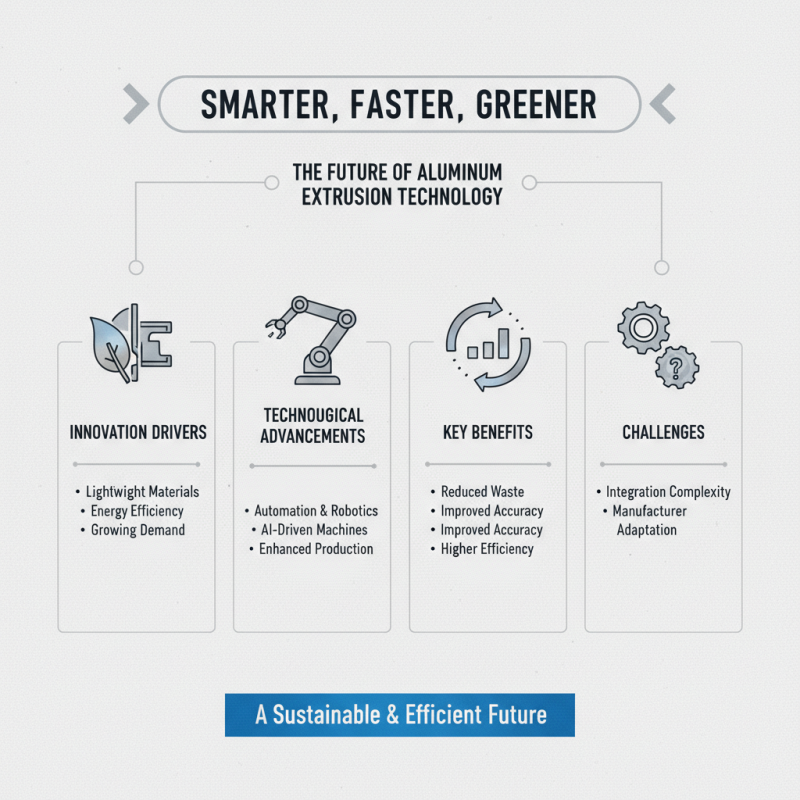
The future of aluminum extrusion technology is looking promising. Innovations are emerging regularly, driven by the demand for lightweight and energy-efficient materials. This sector is seeing advancements in automation and robotics, enhancing production efficiency. Machines are getting smarter, reducing waste and improving accuracy. However, integrating these technologies can be challenging for some manufacturers.

Sustainability is at the forefront of these advancements. The industry is exploring ways to recycle aluminum more effectively. Closed-loop recycling systems are becoming more common. This approach not only conserves resources but also lowers the carbon footprint. Some companies struggle with implementation, particularly smaller ones lacking resources.

The development of new alloys is another key trend. These materials offer better strength-to-weight ratios and can withstand harsher environments. However, the research and testing phases can be lengthy and costly. Manufacturers must balance innovation with practicality. Striking this balance often leads to imperfect solutions, needing continuous evaluation and adjustment.

FAQS

: What is the main ingredient in the product?

: The product contains natural extracts. These may vary depending on the specific formulation.

How should I store this product?

Keep it in a cool, dry place. Avoid direct sunlight to maintain its potency.

Can I use this product every day?

Daily use is often recommended. However, listen to your skin’s needs for best results.

Is it suitable for sensitive skin?

Many users with sensitive skin have reported positive experiences. Perform a patch test to be sure.

How long before I see results?

Results can vary greatly. You may see changes within a few weeks, but patience is key.

Are there any side effects?

Some users might experience mild irritation initially. If it persists, consider reevaluating the application.

Why is my product different from last time?

Variations can occur due to natural ingredients. This doesn’t usually indicate a drop in quality.

Can I mix this with other products?

Mixing can be done, but it’s wise to check compatibility. Some combinations may not work well together.

Conclusion

Aluminum extrusion is a manufacturing process that transforms aluminum alloy into various shapes and profiles by forcing it through a shaped die. This method has evolved significantly since its inception, allowing for increased efficiency and versatility in producing complex geometries. The extrusion process involves heating aluminum billets until malleable and then pushing them through dies to achieve desired shapes, which can be further processed.

The advantages of aluminum extrusion include its lightweight nature, corrosion resistance, and ability to be easily fabricated, making it a preferred choice in industries such as construction, automotive, and aerospace. Despite its benefits, challenges such as production costs and limitations in shape complexity exist. However, ongoing innovations in extrusion technology promise to enhance production methods and expand applications, indicating a bright future for aluminum extrusion in various sectors.
Isabella

Isabella

Isabella is a dedicated marketing professional at Foshan Haixuan Metal Co., Ltd., where she plays a crucial role in promoting the company’s innovative metal products. With a deep understanding of the industry and a passion for excellence, Isabella consistently delivers high-quality content that......
Previous Future Innovations in Aluminum Profiles for Global Supply Chains