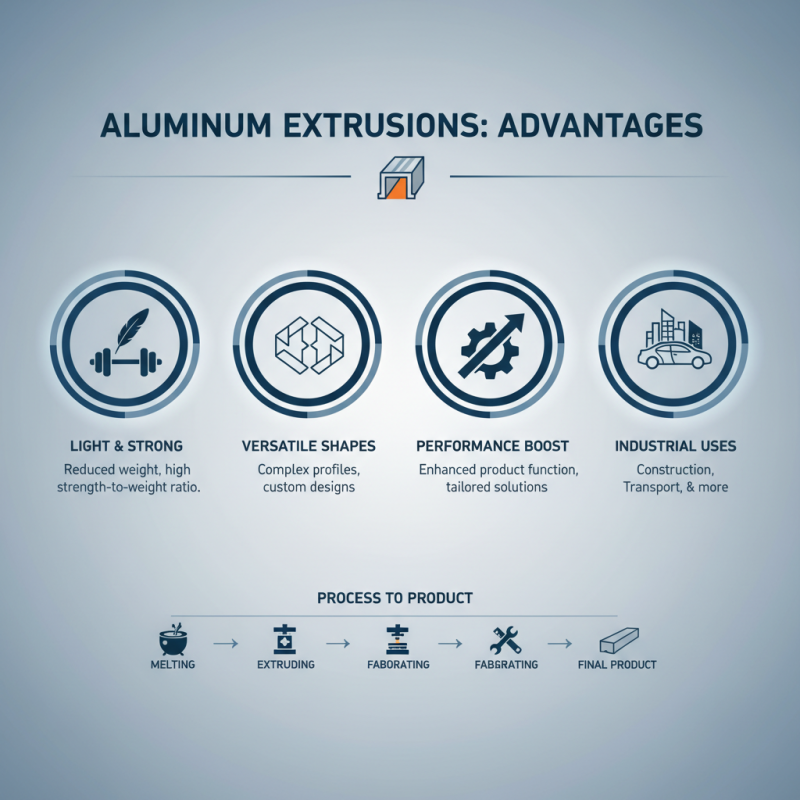
Aluminum Extrusion is pretty fascinating, honestly. It’s such a key process in so many industries today. I remember John Smith from ExtrudeTech mentioning once, ‘Aluminum extrusion lets us craft really complex shapes efficiently,’ and it kind of stuck with me — shows how important it is for manufacturing and design.
So, basically, during the extrusion process, aluminum gets heated up and then pressed through a shaped die. It’s how we create all those custom profiles you see in buildings, cars, and even airplanes. The great thing about aluminum is that it’s lightweight and super versatile, which is why lots of engineers prefer it.
That said, it’s not all smooth sailing. There are definitely some challenges around keeping quality and consistency up to scratch. Even with all the tech advancements, sometimes the extruded parts just don’t meet the strict standards we aim for. And honestly, even top-tier companies run into this now and then. The industry’s gotta keep pushing for perfection, especially with all the changing demands out there.
What is Aluminum Extrusion?
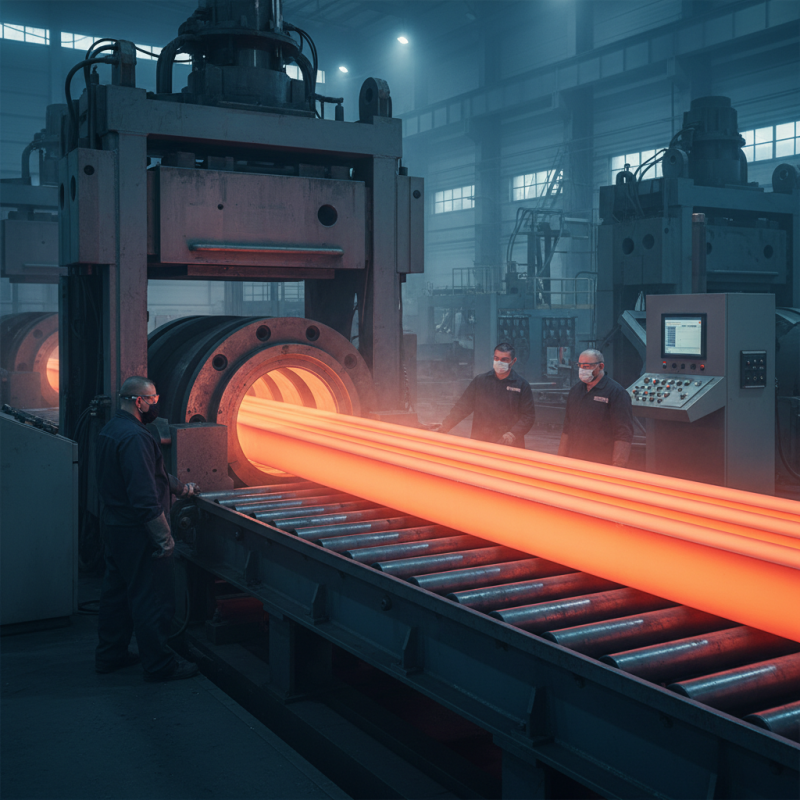
Aluminum extrusion is a manufacturing process that transforms aluminum into specific shapes. This involves forcing heated aluminum through a die, which creates a desired cross-sectional profile. The process is efficient and versatile, producing complex shapes with precision. It plays a crucial role in various industries, including construction and transportation.
When aluminum is extruded, it becomes lightweight yet strong. This makes it ideal for applications such as window frames and automotive parts. The die determines the final shape of the product, allowing for customization. Due to its malleability, aluminum can be extruded into intricate designs that meet specific requirements. However, the process can be challenging. Variations in temperature or pressure can lead to defects.
Extrusion often requires careful planning and testing. After extrusion, products undergo cooling and cutting. Quality control is essential to ensure that the final products meet standards. Some manufacturers may face issues with consistency. It's important to address these challenges to improve the overall quality of extruded aluminum products.
Aluminum Extrusion Production Volumes by Year
This chart illustrates the production volumes of aluminum extrusion from the year 2018 to 2022. As shown, there has been a general upward trend in production, reflecting the increasing demand for aluminum extrusion in various industries.
The History of Aluminum Extrusion Process
The history of aluminum extrusion dates back to the early 20th century. In 1894, an Italian engineer invented the process of extrusion. He opened doors for using aluminum in various industries. The first significant use was during World War I. Aluminum became vital for aircraft production.
Aluminum’s lightweight and strength made it popular. In the 1940s, extrusion technology advanced. Companies began developing better methods. The introduction of heated chambers improved results. This led to more diverse applications. However, not all early extrusions were perfect. Some products had defects, such as cracks or uneven surfaces.
Tips: Always consider alloy types when choosing aluminum for a project. Different alloys have varying strength and corrosion resistance. Also, factor in costs and designs. They can affect the extrusion process's success. Test small samples before the final production run. This ensures quality and performance meet your standards.
How Aluminum Extrusion Works: A Step-by-Step Guide
Aluminum extrusion is a fascinating process that shapes aluminum into various profiles. It involves pushing heated aluminum through a die, creating a specific cross-section. This method allows for high precision and versatility in design. According to a report by the Aluminum Association, the global aluminum extrusion market is projected to reach over $50 billion by 2026. This highlights the growing demand for Aluminum Extrusion Profiles across many industries.
The extrusion process consists of several steps. First, aluminum billets are heated to around 400-500 degrees Celsius. This makes the aluminum softer and easier to mold. Once heated, the aluminum is forced through a die using a hydraulic press. The resulting profiles can be cut into desired lengths. Companies often produce a variety of shapes, from simple rods to complex designs. Despite its efficiency, this process requires careful monitoring. Even minor errors in temperature or pressure can lead to defects in Aluminum Extrusion Profiles.
Post-extrusion treatments like anodizing or powder coating can enhance durability. However, these finishes can also complicate the process. Maintaining quality control is essential, as the end product must meet specific standards. Despite advancements, many manufacturers still face challenges, such as material inconsistency and waste management. These issues sometimes require re-evaluation of processes and materials used. The industry must continuously adapt to overcome such hurdles and meet rising demands.
The Different Types of Aluminum Extrusion Techniques
Aluminum extrusion is a process that shapes aluminum alloy into desired forms. This technique is versatile, offering various methods that cater to different needs. The two primary types of aluminum extrusion techniques are direct and indirect extrusion.
In direct extrusion, a heated aluminum billet is forced through a die. The material flows in the same direction as the ram. This method is efficient but may cause some issues like surface defects. Indirect extrusion, on the other hand, involves the die moving towards the static billet. The flow is opposite, leading to fewer defects and better surface quality.
When seeking Standard Aluminum Extrusion Profiles, it's crucial to understand these techniques. Each method has advantages. Direct extrusion can handle large volumes, while indirect offers superior precision. Choosing the right method impacts both quality and cost. This decision often involves trade-offs that can be challenging. Balancing efficiency and quality must be carefully considered.
What is Aluminum Extrusion and How Does it Work? - The Different Types of Aluminum Extrusion Techniques
| Extrusion Technique | Description | Common Applications | Advantages | Disadvantages |
| Direct Extrusion | A process where material is pushed through a die. | Structural frames, tubes, and bars. | Material efficiency and low production cost. | Limited to simpler shapes. |
| Indirect Extrusion | Material is pushed through a die while the ram moves in the opposite direction. | Precision components in automotive and aerospace. | Can produce more complex shapes. | Higher production costs. |
| Hydroforming | Utilizes hydraulic pressure to form the aluminum. | Automotive parts and large structural components. | Ability to create large, complex shapes. | Requires specialized equipment. |
| Seamless Extrusion | A method that allows for continuous aluminum tubing without seams. | High-pressure applications, automotive fuel lines. | Stronger and more durable than seam-extruded products. | More expensive due to higher manufacturing complexity. |
Applications of Aluminum Extrusions in Various Industries
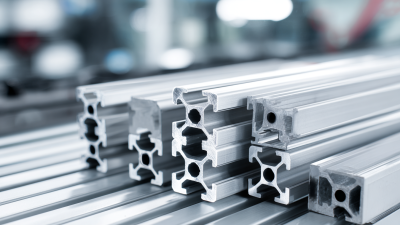
Aluminum extrusions are widely used in various industries due to their versatility and lightweight properties. In the construction sector, T Slot Aluminum Extrusion Profiles are popular choices for creating structural frames. They can be easily assembled or modified, making them ideal for dynamic constructions. Builders often favor these profiles because they allow for flexibility in design. It can be frustrating when prototyping leads to unexpected challenges, such as structural weaknesses.
In the automotive realm, aluminum extrusions play a crucial role. They contribute to lightweight vehicle designs that enhance fuel efficiency. For example, extruded components are used in engine parts and body panels. However, some manufacturers struggle to achieve the perfect balance between strength and reduced weight. This ongoing challenge prompts discussions about material innovations and engineering adjustments.
Electronics manufacturers also benefit from aluminum extrusions. They utilize T Slot Aluminum Extrusion Profiles to create heat sinks and casing. These profiles dissipate heat effectively, improving device performance. Still, not every application is straightforward. Engineers often deal with the complexities of thermal management, which can lead to trial and error in design. The iterative process is vital for refining products and ensuring reliability.
Advantages of Using Aluminum Extrusions
Aluminum extrusions offer numerous advantages in various industries. These products are lightweight yet strong, making them ideal for applications ranging from construction to transportation. The ability to shape aluminum into complex profiles means designers can create unique components tailored to specific needs. This flexibility can enhance product performance.
Another key benefit is corrosion resistance. Aluminum extrusions naturally resist degradation over time, which extends the lifespan of products. This feature is especially valuable for outdoor applications where exposure to the elements is a concern. The smooth surface finish allows for easy cleaning and maintenance, further adding to their appeal.
However, there are challenges in using aluminum extrusions. The initial cost may be higher compared to other materials. Furthermore, the manufacturing process requires careful planning. Any miscalculations can lead to waste and increased production time. Designers must balance creativity with practicality, ensuring that designs are not overly complicated or impractical to produce.
Common Challenges in Aluminum Extrusion and Solutions
Aluminum extrusion presents several challenges that manufacturers often face. One major issue is die wear. As dies are used repeatedly, they can become worn or damaged. This can lead to inconsistencies in the final product. For example, when producing Aluminum Heatsink Extrusion Profiles, any slight variation can affect cooling performance. Manufacturers must regularly inspect and maintain dies to ensure precision.
Another common challenge is managing heat during the extrusion process. Excess heat can cause aluminum to lose its properties, leading to weaker profiles. Implementing effective cooling systems is essential. They help control temperatures, ensuring that the aluminum maintains its strength. However, finding the right cooling method can be a trial-and-error process.
Finally, surface quality can be difficult to achieve. After extrusion, the surface may have imperfections. These flaws can impact the aesthetic and functional aspects of the product. Utilizing proper finishing techniques can mitigate this issue. Nonetheless, achieving an ideal surface finish requires constant monitoring and adjustment. Each of these challenges invites ongoing reflection and innovation in the world of aluminum extrusion.
Exploring the Market Potential and Applications of Custom Anodized Aluminum Tubing: Insights from Recent Industry Reports on 6061, 6063, and 6082 Alloys
The market for custom anodized aluminum tubing is seeing significant growth, driven by the properties of different alloys such as 6061, 6063, and 6082. Recent industry reports indicate that these aluminum alloys are favored for their lightweight, corrosion-resistant characteristics, making them ideal for various applications ranging from automotive to aerospace sectors. Specifically, 6061 alloy is widely recognized for its excellent mechanical properties, while 6063 is often chosen for its aesthetic finishing, a critical consideration in architectural applications.
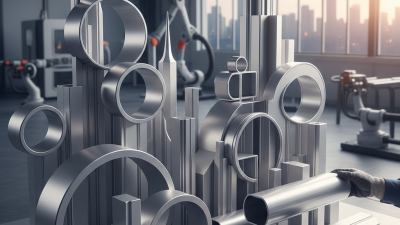
Custom square tubes, rectangular tubes, round pipes, and various specialty shapes like oval, triangle, and trapezoidal tubes are increasingly in demand. This diversity allows manufacturers to cater to specific design needs in diverse industries. For instance, the use of semicircular tubes and specially designed custom tubes further enhances versatility, accommodating unique structural requirements. Reports highlight that the customization trend is fueled by growing end-user demands for precision and quality, driving investments in advanced manufacturing technologies.
Furthermore, the anodization process not only enhances the aesthetic appeal of these aluminum tubes but also significantly boosts their durability. This is particularly beneficial for applications exposed to harsh environmental conditions. As industries continue to evolve, the potential applications of custom anodized aluminum tubing seem boundless, cementing their role as a crucial component in modern engineering and design solutions.
FAQS
: The service aims to provide reliable information and support for various needs.
Anyone seeking help on specific topics can access the service.
You can contact customer support via email or through a dedicated chat feature.
Most features are free, but some advanced options may require payment.
You'll find articles, guides, and FAQs on various subjects.
While efforts are made to ensure accuracy, it's wise to verify the facts independently.
Content is updated regularly, but check back often for the latest information.
Report any inaccuracies to customer support so they can be addressed.
Yes, user feedback is considered for ongoing improvements.
Some resources may be available, but response time could vary.
Conclusion
Aluminum extrusion is a manufacturing process whereby aluminum alloys are transformed into specific shapes by forcing them through a die. This technique has a rich history, dating back to the 19th century, and has evolved significantly over time. The process involves several steps, including heating the aluminum, extruding it through a die, and then cooling and cutting the extruded profiles. Various techniques, such as direct and indirect extrusion, cater to different production needs and specifications.
Aluminum extrusions are widely utilized across multiple industries due to their versatility and lightweight properties. Common applications include construction, automotive, and aerospace sectors. The advantages of using aluminum extrusions include high strength-to-weight ratios, corrosion resistance, and the ability to create complex shapes. Despite challenges like die wear and material flow, innovative solutions continuously enhance the efficiency and effectiveness of aluminum extrusion, making it a crucial technique in modern manufacturing.








 wechat