In the world of manufacturing, you’ve probably heard about Aluminum Extrusion Shapes—they really are quite essential. Basically, these shapes are made by pushing aluminum through a die, which allows for all kinds of versatile forms that can be used across different industries. I remember John Smith from XYZ Aluminum Corp once saying, “The potential of Aluminum Extrusion Shapes is limited only by our imagination.” That really stuck with me—it's a reminder of just how many possibilities there are in this field.
Now, these shapes aren’t just about function; they’re also about innovation. Whether it’s in construction, automotive, or even aerospace, aluminum extrusion shapes offer solutions that are both lightweight and sturdy. They help improve energy efficiency too, which is a big plus for modern designs. But, honestly, it’s not all smooth sailing. The industry does face some hurdles—like ensuring quality control. Sometimes, imperfections can sneak in during the extrusion process, and that’s something companies need to stay on top of if they want to keep standards high.
Plus, as technology keeps advancing, clients’ expectations are changing too. More and more, companies are being asked to come up with custom solutions. So, everyone has to stay flexible—adapting to these new demands while making sure their products are consistent and reliable. At the end of the day, Aluminum Extrusion Shapes bring both a ton of exciting opportunities and some real challenges in this fast-moving market. These factors remind us that it’s important to keep reflecting on how we do things if we want to keep making progress.
Definition of Aluminum Extrusion Shapes
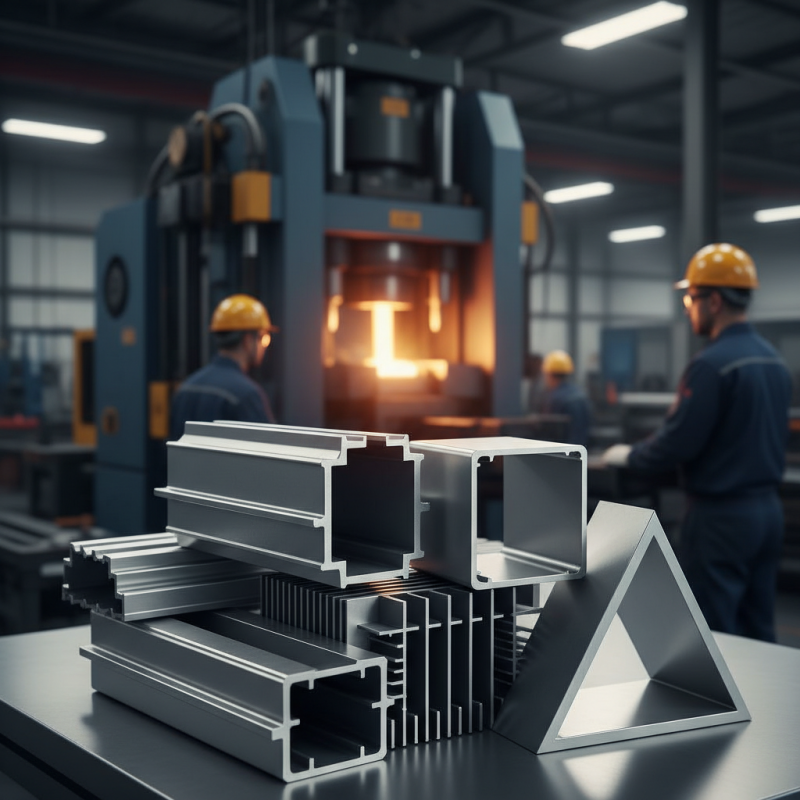
Aluminum extrusion shapes are vital in various industries. These shapes are made by forcing aluminum through a die, resulting in distinct profiles. This process allows for flexibility in design and functionality. According to a report by the Aluminum Association, the global aluminum extrusion market is projected to reach USD 63.3 billion by 2025, indicating its increasing relevance.
Aluminum extrusion shapes find applications in construction, transportation, and manufacturing. For instance, window frames and structural components often utilize these profiles due to their lightweight and corrosion-resistant properties. Additionally, the automotive sector benefits from aluminum extrusions for parts like chassis and support beams. These applications not only enhance performance but also contribute to energy efficiency.
Tip: When designing with aluminum extrusion shapes, consider the intended load and application. This will ensure that the selected profile meets safety standards. Engaging with experts during the design phase can help avoid potential pitfalls. Collaborative efforts often yield innovative solutions that maximize the advantages of aluminum extrusion.
The Process of Aluminum Extrusion
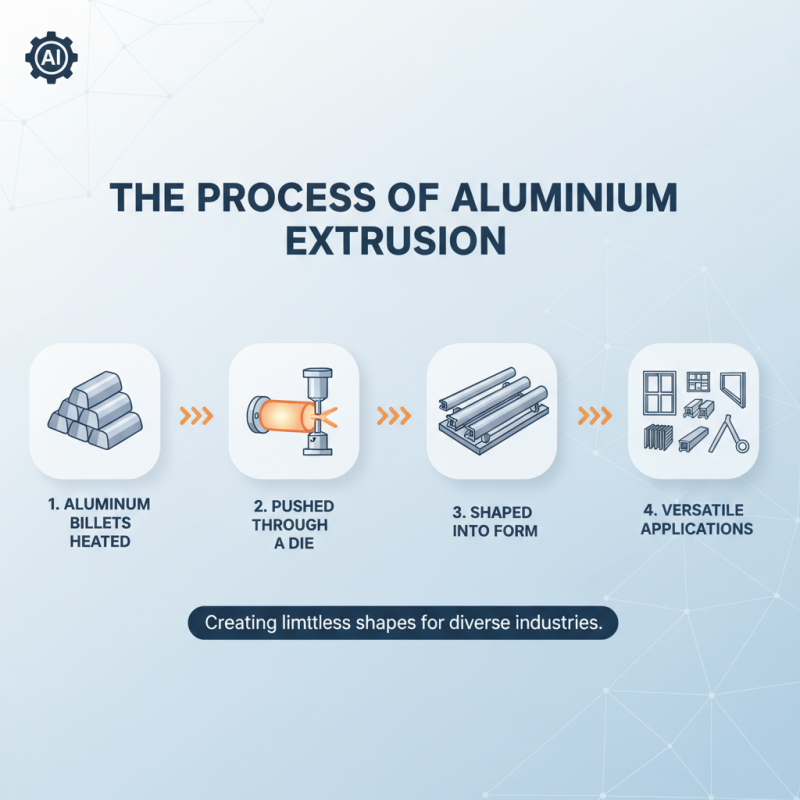
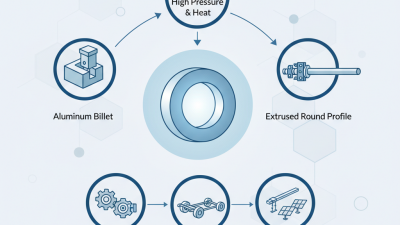
Aluminum extrusion is a precise process used to create specific shapes from aluminum. The process begins with aluminum billets, which are heated to a malleable state. When the material is ready, it is pushed through a die, shaping it into the desired form. This can range from simple tubes to complex profiles. The versatility of this technique makes it popular in various industries.
In China, aluminum extrusion shapes are widely manufactured and used. Factories focus on producing custom shapes to meet the needs of specific applications. The extrusion process is efficient and allows for complex designs that would be difficult or impossible to achieve with other methods. However, not all extruded parts meet the highest standards initially. Manufacturers often need to refine their techniques and perform quality checks to ensure reliability.
The cooling stage is critical in the aluminum extrusion process. Once the aluminum exits the die, it must cool evenly to maintain shape integrity. If not monitored, warping can occur, resulting in potential rework or rejection. The importance of quality control cannot be overstated, as it directly impacts the final product. Thus, continuous improvement is essential for manufacturers aiming to provide reliable and effective aluminum extrusion shapes.
Types of Aluminum Extrusion Shapes
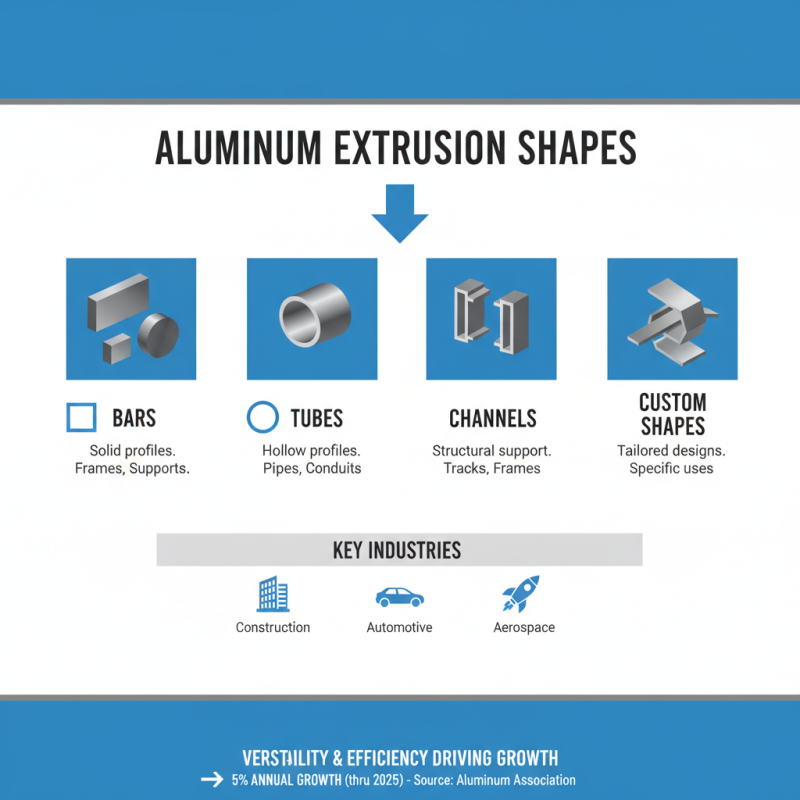
Aluminum extrusion shapes come in various types, each tailored for specific applications. Common profiles include bars, tubes, channels, and custom shapes. These are used across industries such as construction, automotive, and aerospace. According to a report by the Aluminum Association, the demand for aluminum extrusion is expected to continue growing at a rate of 5% annually through 2025. This highlights the versatility and efficiency of aluminum as a material.
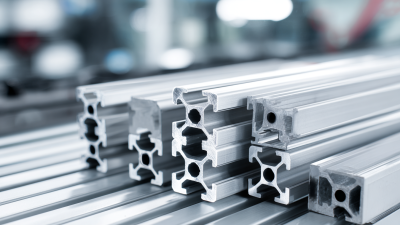
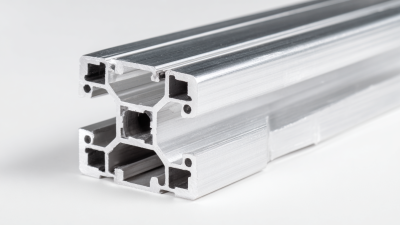
T-slot extrusions are popular due to their adaptability in building frames and supports. These shapes allow for easy assembly and reconfiguration, making them ideal for manufacturing and prototyping. Another common type is the angle extrusion, which is often used for structural applications. These profiles exhibit excellent strength-to-weight ratios, making them effective for load-bearing structures. The Best Aluminum Extrusion Shapes are those that maximize performance while minimizing material use.
Customization plays a key role in the aluminum extrusion market. Some applications require unique shapes that fit specific requirements. While standard profiles are available, manufacturers often produce custom extrusions. However, creating these bespoke shapes can lead to higher costs and longer lead times. Therefore, balancing customization needs with budget constraints is essential for industries looking to harness aluminum’s full potential.
Common Materials Used in Aluminum Extrusion
Aluminum extrusion is a versatile manufacturing process. It transforms aluminum into various shapes. These shapes serve multiple applications across industries. Understanding the common materials used in aluminum extrusion is crucial. Typically, aluminum alloys like 6061 and 6063 are favored. They offer excellent strength and corrosion resistance.
When selecting materials, consider the intended application. For decorative elements, a higher aesthetic finish may be required. In structural applications, strength and durability take precedence. This choice affects the outcome. Tips for material selection: always test samples for performance. Analyze how the materials will respond under stress.
Another consideration is sustainability. Aluminum is recyclable and often made from recycled content. This aspect makes it an eco-friendly option. However, always vet your supplier. Choose a reliable Aluminum Extrusion Shapes Supplier to ensure quality. Make sure they follow relevant industry standards. This vigilance can help you avoid problems later on.
What is Aluminum Extrusion Shapes and Their Applications? - Common Materials Used in Aluminum Extrusion
| Shape Type | Common Applications | Material Type | Industry |
| Rectangular Tube | Structural framework, furniture | 6061 Aluminum | Construction |
| Angle | Bracing, supports | 6063 Aluminum | Manufacturing |
| Channel | Railings, tracks | 6005 Aluminum | Transportation |
| Round Tube | Piping, handrails | 5083 Aluminum | Marine |
| Custom Profiles | Specialized applications | Aluminum Alloys | Various |
Applications of Aluminum Extrusions in Construction
Aluminum extrusions play a crucial role in construction. Their versatility and strength make them a preferred choice for various applications. Over 40% of the global aluminum demand is used in construction, highlighting the material's significance. Shapes like angles, channels, and beams are vital in framing systems, facades, and roofing structures.
The environmental benefits of aluminum are noteworthy. According to industry reports, recycled aluminum requires just 5% of the energy needed for primary production. This efficient use of resources aligns with sustainable building practices. In fact, many construction projects aim to incorporate at least 30% recycled materials, pushing the demand for eco-friendly aluminum solutions.
Yet, challenges remain. Fabrication processes can generate waste, especially when customizing shapes for specific projects. Ensuring precision often requires multiple adjustments. Moreover, the reliance on a steady supply chain for raw aluminum can pose potential delays. It’s crucial for industry professionals to address these inefficiencies for continual improvement in using aluminum extrusions.
The Role of Aluminum Extrusions in Automotive Industry
Aluminum extrusions play a crucial role in the automotive industry. The lightweight nature of aluminum helps improve fuel efficiency. Cars made with aluminum are often lighter, which translates to less energy consumption. This is critical as manufacturers aim to meet stricter environmental regulations.
In addition to weight savings, aluminum extrusions offer design flexibility. They can be molded into complex shapes that fit specific automotive needs. This versatility is essential for creating parts that maximize performance and safety. For example, aluminum frames can absorb impact energy, enhancing passenger protection.
However, reliance on aluminum comes with challenges. Although it's more sustainable, sourcing the metal can be environmentally taxing. Moreover, fabrication processes may still produce waste. Manufacturers must continually seek innovations to mitigate these downsides. Creating a balance between benefits and drawbacks is key to moving forward effectively.
Aluminum Extrusions in the Automotive Industry
Benefits of Using Aluminum Extrusions in Manufacturing
Aluminum extrusions are pivotal in modern manufacturing. They offer incredible versatility and strength, making them ideal for various applications. Industries such as construction, automotive, and electronics utilize these shapes extensively. The light weight of aluminum contributes to significant energy savings, particularly in transport.
One key benefit of aluminum extrusions is their design flexibility. Manufacturers can create complex shapes tailored to specific needs. This allows engineers to innovate, producing unique designs without excessive material costs. These shapes facilitate easy integration into existing systems, enhancing overall productivity.
Tips: Always collaborate with an experienced Aluminum Extrusion Shapes Manufacturer. They can provide insights into optimizing designs for cost and performance. Regularly reevaluate the extrusion specifications to ensure they meet evolving project demands. If you are not achieving the desired results, consider experimenting with different shapes or materials. This iterative process can lead to significant improvements in functionality and efficiency.
The durability of aluminum also cannot be overlooked. It resists corrosion, ensuring longevity even in harsh environments. However, it’s essential to work closely with reliable suppliers. Quality assurance is crucial in maintaining product integrity. Mistakes in materials or processes can lead to costly revisions.
Unlocking Efficiency: The Role of 2.40*65 Narrow Swing Door Aluminum Profiles in Modern Architectural Design and Market Trends
The architectural landscape is continuously evolving, with modern designs demanding materials that not only offer aesthetic appeal but also functional efficiency. In this context, the 2.40*65 narrow swing door Aluminum Profiles emerge as a pivotal choice for contemporary architecture. Crafted from high-quality 6063/T5 aluminum, these profiles are designed to facilitate seamless building applications. Their thickness options—ranging from 1.4mm to 2.5mm—allow customization to suit various door designs while ensuring exceptional durability and robustness.
Surface treatment plays a crucial role in the attractiveness and longevity of aluminum profiles. With options such as powder coating, wood grain finishes, and anodization, architects and designers can achieve a variety of looks that blend well with different design aesthetics. Moreover, rigorously tested for quality and safety, these profiles come with certifications including CE, ISO, SGS, TUV, and ROHS, ensuring compliance with industry standards. With a hardness rating exceeding 12HW, they promise enhanced resistance to wear and impact, making them suitable for high-traffic applications.
In a market characterized by increasing demand for innovative and sustainable designs, the 2.40*65 narrow swing door aluminum profiles stand out. With a minimum order quantity of 500KG for each profile, they cater to both large-scale constructions and bespoke projects, enabling developers and architects to meet the diverse needs of modern architectural trends efficiently.
FAQS
: Aluminum extrusions are versatile shapes used for framing, facades, and roofing in construction. They combine strength and functionality.
Over 40% of global aluminum demand is in construction, demonstrating its importance in this sector.
Recycled aluminum uses only 5% of the energy needed for primary production. This supports sustainable building practices.
The lightweight nature of aluminum reduces transportation energy costs. This is especially important for manufacturing industries.
Fabrication can create waste, especially when customizing shapes. Precision requires multiple adjustments, leading to potential inefficiencies.
Design flexibility allows for complex shapes tailored to specific needs. This innovation can reduce material costs and enhance productivity.
Working with experienced manufacturers provides insights into optimizing designs for better cost and performance.
Ensuring quality helps maintain product integrity. Mistakes in materials or processes can lead to expensive revisions.
Regularly reevaluating extrusion specifications can ensure they meet changing needs. Experimenting with shapes or materials can enhance results.
Conclusion
Aluminum Extrusion Shapes are versatile components created through the process of forcing aluminum through a shaped die, resulting in various profiles and forms. This method not only allows for the customization of designs but also ensures that the shapes produced maintain high strength while being lightweight. The common materials used in aluminum extrusion include different aluminum alloys, which enhance corrosion resistance and mechanical properties, making them suitable for a wide range of applications.
In construction, aluminum extrusions are utilized for window frames, roofing, and structural supports, offering durability and aesthetic appeal. Similarly, in the automotive industry, Aluminum Extrusion Shapes contribute to lightweight structures that improve fuel efficiency and performance. The benefits of using aluminum extrusions in manufacturing are numerous, including reduced production costs, flexibility in design, and enhanced product performance. Overall, aluminum extrusion shapes play a crucial role in modern engineering applications across various sectors.









 wechat