One Stop Solution For Aluminum Profiles
调查
表单加载...
0%

In today’s super competitive market, understanding how Aluminum Extrusion works is pretty much essential for buyers around the world. Basically, it involves shaping aluminum into all sorts of profiles, which is why so many industries love it. That said, finding good quality aluminum extrusions isn’t always a walk in the park. You’ve got to navigate through a bunch of technical specs and figure out if suppliers are actually capable of delivering what you need.

A lot of buyers struggle with picking the right materials—especially because the different alloy types can really change how the extrusion process runs. Without proper knowledge, it's easy to make costly mistakes. That’s why working with reliable suppliers who really get these details can make all the difference—they usually have the insights to help improve overall product quality. Building long-term relationships can be the real secret to success here.

For global buyers especially, being transparent and keeping the lines of communication open is crucial. Talking through your requirements clearly can often spot potential issues before they become big problems. Sometimes what seems like a minor detail, like a small specification, can turn into a major headache later on. So honestly, taking the time to really understand the aluminum extrusion process isn’t just a good idea—it’s pretty much a must if you want to get things right.

Top Aluminum Extrusion Tips for Global Buyers

Understanding the Global Aluminum Extrusion Market Dynamics and Trends

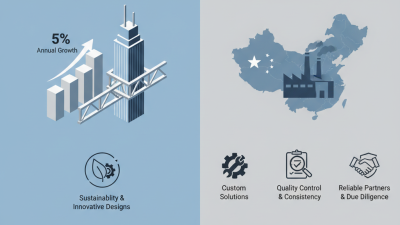
The global aluminum extrusion market is experiencing significant shifts influenced by various economic and environmental factors. As buyers navigate this landscape, an understanding of these dynamics becomes crucial. The growing demand for lightweight and durable materials is driving innovation in extrusion technologies. Factors like sustainability and efficiency are no longer optional but essential for success.


One notable trend is the increasing emphasis on recyclable aluminum. Eco-friendly practices resonate with consumers and investors alike. Moreover, emerging markets are investing in infrastructure, creating a surge in demand for aluminum extrusion products. Buyers must remain adaptable, as market fluctuations can arise swiftly. Monitoring global supply chains is equally vital, as disruptions can impact pricing and availability.


Navigating the complexities of this market requires expertise and insight. Buyers need to conduct thorough research to identify trustworthy suppliers. Not every vendor offers the same quality or reliability. Engaging in dialogue with industry experts can provide valuable perspectives. It is vital to reflect on past experiences to learn from mistakes and adapt strategies for future challenges.

Key Factors Influencing Aluminum Extrusion Costs and Pricing Strategies

Top Aluminum Extrusion Tips for Global Buyers

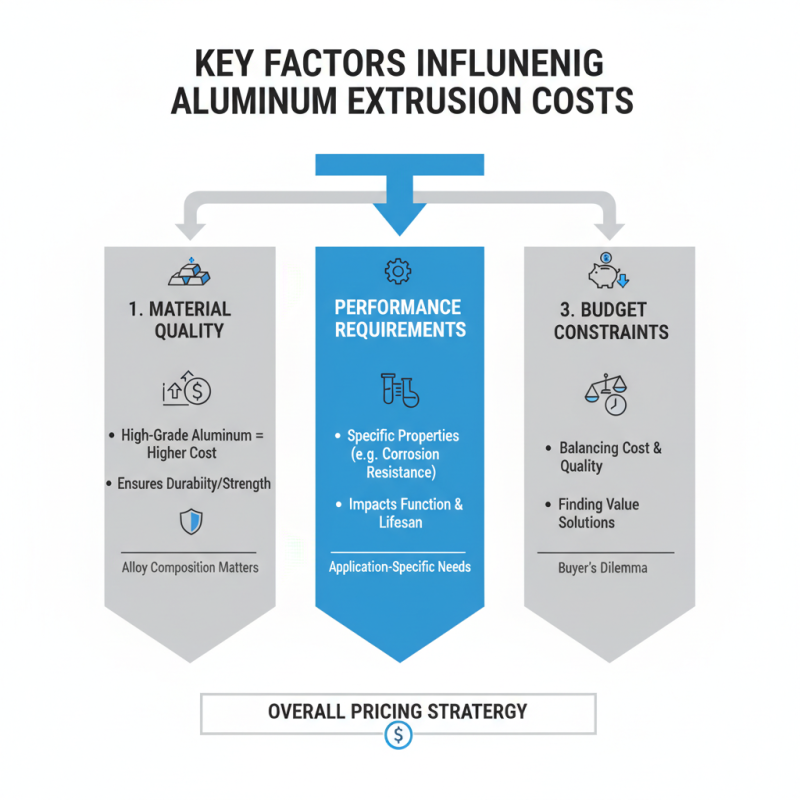
When considering the costs of aluminum extrusion, several key factors come into play. One major influence is material quality. High-grade aluminum ensures durability but can increase expenses significantly. Properties like alloy composition impact both performance and pricing. Buyers often need to balance quality with budget constraints.

Labor costs also play a crucial role in pricing strategies. Labor rates vary across different regions. Buyers must account for skilled workers in factories that ensure precision. The complexity of Aluminum Extrusion Profiles can drive up labor fees. Projects with intricate designs may require more time and expertise, leading to higher costs.

Market demand fluctuates and influences pricing. Changes in global demand can lead to price volatility. During periods of high demand, suppliers might increase prices. Investing time in understanding these factors is essential. Buyer awareness can prevent overspending and ensure cost-effective solutions in the aluminum extrusion market. This industry requires continuous learning and adaptation to new trends.

Essential Quality Standards and Certifications for Aluminum Extrusion

When sourcing aluminum extrusions, understanding quality standards is crucial. Recognized certifications provide insights into a manufacturer’s reliability. Look for factories compliant with ISO 9001. This certification ensures quality management systems are in place.

Another important certification is the ASTM standard. It defines specific properties of aluminum products. Ensure your supplier adheres to these guidelines. This will help avoid discrepancies in material performance. Quality checks should not be overlooked too. Request samples to evaluate the physical properties.

It’s wise to consider additional testing, depending on your requirements. For example, tensile strength tests or corrosion resistance evaluations can help. Each project has unique specifications that might require deeper quality assurance. Verify the manufacturer’s previous projects and client testimonials. This can reveal potential issues.

Keep communication transparent with your suppliers. Discuss quality expectations clearly. All parties should understand the standards expected. Misunderstandings can lead to disappointing results. Building a robust relationship based on trust can lead to better outcomes. Always seek continuous improvement in the quality assurance process.

Top Aluminum Extrusion Quality Standards and Certifications

Evaluating Aluminum Extrusion Suppliers: Factors Beyond Price

When evaluating Aluminum Extrusion Suppliers, price is just one consideration. Factors such as quality assurance must also weigh in heavily. A reliable supplier invests in robust quality control processes. Look for certifications that indicate compliance with industry standards. These can mean the difference between a bad batch and a successful project.

Communication is another essential factor. A responsive supplier helps clarify technical details. This reduces the chance of costly misunderstandings. Trust building takes time, but it's worth it. Discussing various applications of Standard Aluminum Extrusion Profiles can show a supplier's expertise. Observing their willingness to provide insights reflects their reliability.

Lastly, consider the supplier's production capacity. Ability to meet deadlines is paramount. A supplier may have lower prices but offer limited flexibility. This could lead to delays or unmet needs down the line. Assessing their track record can provide necessary insights. The right supplier should enhance your operations, not complicate them.

Sustainable Practices and Innovations in the Aluminum Extrusion Industry

Top Aluminum Extrusion Tips for Global Buyers

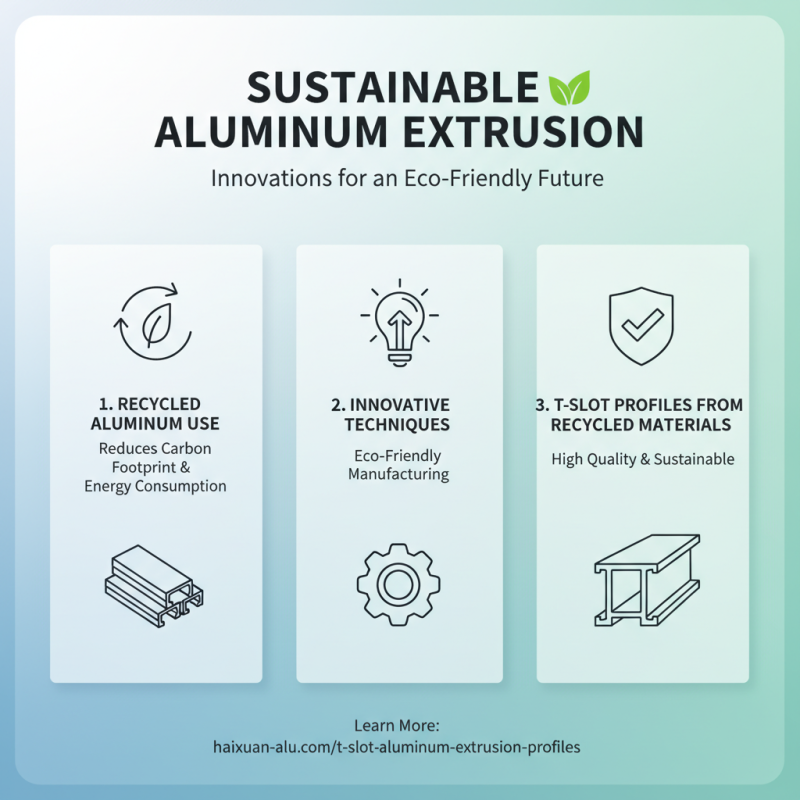
Sustainable practices in the aluminum extrusion industry are gaining momentum. Innovative techniques emerge as the demand for eco-friendly solutions increases. Many manufacturers now utilize recycled aluminum, reducing carbon footprints significantly. This not only conserves energy but also lowers production costs. T Slot Aluminum Extrusion Profiles can be crafted from recycled materials, promoting sustainability while maintaining high quality.

Efforts to reduce waste are also noteworthy. Some companies focus on optimizing processes, minimizing scrap during production. This has led to a more efficient use of resources. Yet, challenges remain. Not all regions have equal access to recycling facilities. This inconsistency can hinder global progress. Collaboration among industry leaders is crucial to overcome these barriers.

Another area of innovation involves energy efficiency. Advanced machinery now consumes less power while delivering exceptional output. It's vital to assess the lifecycle impacts of these technologies. However, some businesses might prioritize cost over sustainable options. This highlights the need for continuous reflection on practices. By embracing sustainable approaches, the aluminum extrusion industry can pave the way for a greener future.

The Role of Technology in Enhancing Aluminum Extrusion Processes

The role of technology in aluminum extrusion has transformed manufacturing processes. Advanced machinery and software optimize production. Automation increases efficiency and reduces human error. This means faster turnaround times and more precise results.

Global buyers should consider a few key tips. Always assess the extrusion equipment used by suppliers. High-tech machines yield better quality products. Request samples to evaluate the finish and strength of the aluminum. Understand the specifics of alloy compositions, as they impact application performance.

Moreover, embrace innovative technologies like 3D modeling. This facilitates better design and prototyping. Listen to feedback from manufacturers about the efficacy of new tools. Continuous learning helps buyers adapt and make informed decisions, ensuring they stay competitive in the market.

Navigating Trade Regulations and Tariffs Affecting Aluminum Extrusions

Navigating trade regulations and tariffs is crucial for global buyers of aluminum extrusions. According to a report from the Aluminum Association, the U.S. imported approximately 70% of its aluminum supply in 2022. Understanding tariffs can help buyers avoid unexpected costs. For example, the Section 232 tariffs imposed on aluminum products have significantly impacted prices and sourcing strategies.

Buyers should pay special attention to the Harmonized Tariff Schedule (HTS) codes for Aluminum Heatsink Extrusion Profiles. Each profile's classification can change the applicable tariff rates. Additionally, regulations vary by region. The European Union recently updated its import duties on aluminum, which may result in increased costs for non-compliant suppliers.

Staying informed is vital. Reliable sources like the World Trade Organization (WTO) can help buyers track changes in trade policy. Buyers often overlook the complexities of free trade agreements and exemptions. An understanding of these nuances can lead to better negotiation outcomes. Compliance is essential, but often challenging. It requires constant monitoring and adaptability to shifting regulations.

Top Aluminum Extrusion Tips for Global Buyers

Tip Description Trade Regulations Tariffs
Understand Import Tariffs Research current tariffs affecting aluminum products to budget accordingly. Consult trade databases and official tariff schedules. Up to 25% depending on country of origin.
Quality Standards Compliance Ensure that products meet international standards for safety and performance. ISO, ASTM and regional standards may apply. No direct tariffs, but non-compliance may lead to penalties.
Source Local Suppliers Identify local suppliers to reduce shipping costs and tariffs. Local content laws may apply, affecting tariff rates. Lower rates for regional products.
Understand Different Alloy Types Different alloys serve various purposes; know which is best for your application. Specific import regulations may apply to certain alloys. Varies by alloy composition.
Stay Updated on Policy Changes Regularly check for updates in trade policies that might affect costs. Legislation can change rapidly; staying informed is critical. Potentially shifting tariffs based on trade negotiations.

Innovative Design and Functionality: Exploring Single Glass Swing Doors with Half Buckle Plate Aluminum Profiles

Single glass swing doors with half buckle plate Aluminum Profiles represent a perfect blend of innovative design and practical functionality. Utilizing 6063/T5 aluminum with a thickness of 1.0mm, these profiles are not only robust but also customizable to fit specific design requirements. The application of these aluminum profiles extends beyond mere aesthetics; they serve as essential components for doors, facilitating both style and security.

In terms of surface treatment, these profiles can be finished in several appealing ways, including powder coating, wood grain finishes, and anodizing. These treatments enhance the visual appeal while providing additional protection against wear and environmental factors. Ensuring quality and safety, these profiles come with certifications such as CE, ISO, SGS, TUV, and ROHS, making them a reliable choice for various architectural applications. With a hardness rating exceeding 11HW and a minimum order quantity of 500KG for each profile, these aluminum door solutions are designed to meet both high-performance standards and aesthetic demands, making them ideal for modern construction and renovation projects.

FAQS

: What is driving the demand in the aluminum extrusion market?

: The demand is driven by the need for lightweight and durable materials. Sustainable practices are also influencing this requirement.

Why is recycled aluminum gaining attention?

Recycled aluminum reduces carbon footprints and conserves energy. It also lowers production costs, appealing to eco-conscious consumers.

How can buyers ensure the quality of aluminum extrusions?

Buyers should look for suppliers with ISO 9001 and ASTM certifications. Requesting samples is essential for verifying quality.

What role do quality standards play in aluminum extrusion?

Quality standards ensure reliability and performance of aluminum products. They help avoid discrepancies in material specifications.

How can companies improve resource efficiency in production?

Companies can minimize waste by optimizing processes to reduce scrap. This approach encourages better resource utilization and sustainability.

What challenges exist in implementing sustainable practices?

Not all regions have access to recycling facilities. This inconsistency hinders global sustainable progress in the industry.

Why is communication important with suppliers?

Clear communication about quality expectations prevents misunderstandings. It builds trust and improves collaboration for successful outcomes.

What should buyers consider in assessing suppliers?

Buyers should research suppliers and review client testimonials. Past experiences can reveal potential issues with reliability or quality.

How does energy efficiency benefit the extrusion industry?

Energy-efficient machinery consumes less power, reducing operational costs. However, some may prioritize cost over sustainable options.

How can industry leaders overcome sustainability barriers?

Collaboration among leaders is crucial to address recycling and waste management challenges. Reflecting on practices can inspire better solutions.

Conclusion

The article "Top Aluminum Extrusion Tips for Global Buyers" provides valuable insights into the complexities of the global aluminum extrusion market. It emphasizes the importance of understanding market dynamics and emerging trends that influence pricing and cost strategies. Buyers are guided to consider essential quality standards and certifications when selecting suppliers, moving beyond mere price comparisons to assess overall value and reliability.

Additionally, the article highlights the significance of sustainable practices and innovations within the aluminum extrusion industry, showcasing how technology plays a crucial role in enhancing production processes. Furthermore, it addresses the need for buyers to navigate trade regulations and tariffs that can impact their procurement strategies. Overall, these tips aim to equip global buyers with a comprehensive understanding of the factors influencing aluminum extrusion and help them make informed purchasing decisions.

Liam

Liam

Liam is a dedicated marketing professional at Foshan Haixuan Metal Co., Ltd., where he leverages his extensive knowledge of metal products to enhance the company's online presence. With a passion for the industry, Liam frequently updates the company’s professional blog, providing insightful......
Previous How to Choose the Best Industrial Aluminum Profiles for Your Needs?