Aluminum Profiles are pretty essential across a bunch of industries. Whether you're working in construction, manufacturing, or design, picking the right profile can really make a difference in how things look and function. They come in all sorts of shapes and sizes, each suited for different jobs, but honestly, figuring out which one to choose can be kinda overwhelming.
Knowing what you need is super important here. Different profiles have their own strengths—things like strength, weight, or resistance to rust and corrosion. For example, if you're working on an architectural project, you'd want something sturdy but still good-looking. Taking the time to think about what matters most for your project can save you from making costly mistakes down the line.
Good news: you can get advice from companies that specialize in aluminum profiles. They usually know their stuff and can help steer you toward the best options based on their experience and what’s trending in the market. But, hey, don’t just rely on their sales talk—doing your own research and hearing real-world feedback from others can make a big difference. At the end of the day, getting the right profile can really set your project up for success, while choosing wrong might leave you regretting it later.
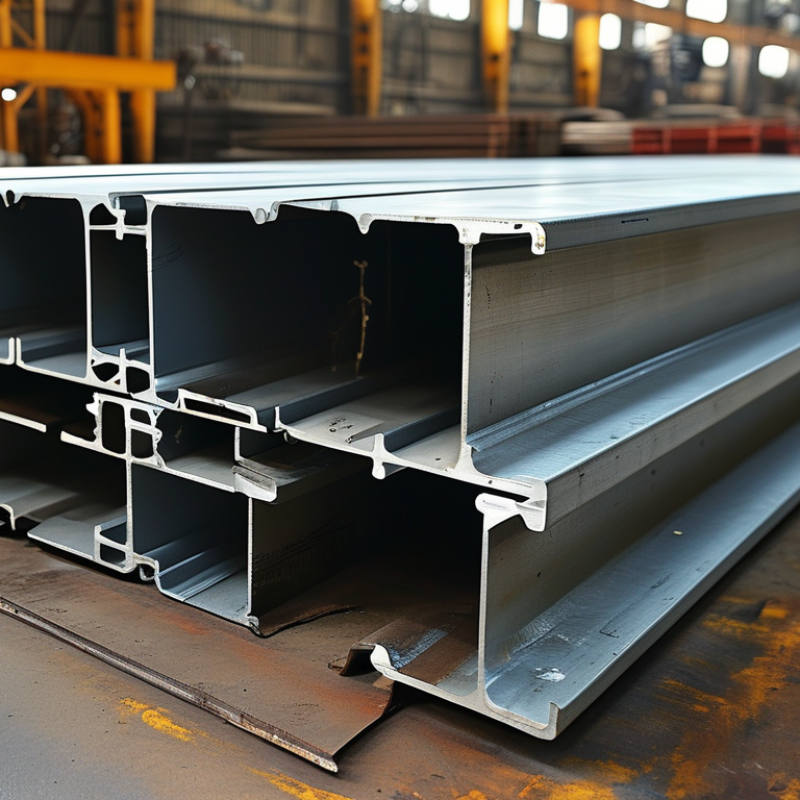
What Are Aluminum Profiles?
Aluminum profiles are essential elements used in various industries. These profiles are versatile components that can be shaped into different designs. Their lightweight nature and resistance to corrosionmake them popular. According to a report by Statista in 2022, the globaL Aluminum Profile market was valued at over$140 billion, highlighting their significance.
Aluminum Alloy Profiles are made from specific aluminum alloys tailored for particular applications. These alloys can differ in strength, malleability, and corrosion resistance. For example, 6061 aluminum is common in structural applications due to its excellent mechanical properties. However, selecting the right alloy profile can be challenging. Often, the choice depends on the project's requirements and environmental conditions. Size, shape, and the intended use all play crucial roles.
Some designers overlook the importance of choosing appropriate profiles. This can lead to structural failures or reduced efficiency. Different profiles offer unique mechanical characteristics, which can affect design integrity. Engineers must consider these factors before making decisions. A well-thought-out choice can optimize performance and reduce costs in the long run.
Types of Aluminum Profiles and Their Uses
Aluminum profiles come in various types, each designed for specific applications. One common type is the structural profile, known for its strength and rigidity. These profiles are often used in construction and manufacturing. According to a report from the Aluminum Association, about 70% of aluminum is recycled, making these profiles both durable and eco-friendly.
Another popular variety is the thermal break profile. These profiles are crucial for improving energy efficiency in buildings. They reduce heat transfer, making homes more comfortable and energy bills lower. Studies indicate that incorporating thermal break aluminum profiles can lead to a 15% reduction in energy consumption. This can be particularly beneficial for Aluminum Profiles For Windows And Doors.
Beyond structural applications, decorative aluminum profiles are gaining traction. They are used in furniture and interior design, adding a sleek and modern aesthetic. While they offer many advantages, one challenge is balancing design with functionality. It’s essential to choose the right profile to ensure it meets both aesthetic and practical needs. Reflecting on these factors can help in making informed decisions.
Advantages of Using Aluminum Profiles
Aluminum profiles offer numerous advantages across various industries. Their lightweight nature makes them ideal for applications where weight is a concern. This versatility allows for easy handling and installation. Additionally, aluminum’s corrosion resistance ensures longevity, especially in harsh environments.
One notable benefit is their recyclability. Aluminum can be reused without degrading its quality. This makes it an environmentally friendly option. Choosing aluminum profiles contributes to sustainable practices. This aspect can be appealing for businesses focused on green initiatives.
Tips: When selecting aluminum profiles, consider the specific requirements of your project. Focus on dimensions, alloy types, and surface finishes. This attention to detail can help avoid potential mismatches. Keep in mind that not all aluminum profiles serve the same purpose. Assess your needs carefully to make an informed decision.
Key Factors to Consider When Choosing Aluminum Profiles
Choosing the right aluminum profiles can significantly impact the efficiency and aesthetics of your project. One key factor to consider is the alloy type. Different alloys offer varying strength, weight, and corrosion resistance. According to industry reports, the most commonly used aluminum alloy for profiles is 6061, known for its excellent mechanical properties.
Another important aspect is the profile's surface finish. Options like anodizing or powder coating not only enhance appearance but also improve durability. Data shows that projects using anodized finishes can increase lifespan by up to 20%. It's important to consider the environment where the aluminum will be used. For instance, coastal areas require more corrosion-resistant options.
Dimensions and tolerances are also critical. Aluminum profiles should meet specific project requirements. Precision in this area can affect assembly and overall functionality. Industry surveys reveal that 15% of failures in constructions relate to incorrect profile specifications. Always double-check measurements before fabrication. Reflecting on these factors will help avoid potential drawbacks and lead to better decision-making.
How to Measure and Specify Aluminum Profiles
Measuring and specifying aluminum profiles is essential for achieving the best results in construction and manufacturing. Accurate measurements can prevent costly mistakes. When considering Industrial Aluminum Profiles, take time to assess dimensions carefully. Use calipers for precise width and thickness measurements. This tool will ensure you capture the right specifications, which is crucial for structural integrity.
Consider how the profiles will be used. Are they for framing, supports, or aesthetic applications? Each use case might require different strength and stability. It’s useful to understand the load-bearing capacities as well. When unclear, consult with experts or refer to structural engineering guidelines. There are plenty of resources that can help you make informed choices about different types of profiles.
You might face challenges specifying the correct alloy or finish. Different environments can affect the durability of aluminum. If unsure, opt for industry-standard recommendations. Many people overlook this aspect, leading to issues down the line. Take notes, and don't hesitate to seek clarification. Be proactive in ensuring all your measurements and specifications align with your project's goals.
Aluminum Profiles Selection Guide
When selecting aluminum profiles, it's essential to measure the necessary dimensions accurately. This chart illustrates common specifications, including thickness, width, length, and weight per meter, which should be considered for various applications.
Common Applications of Aluminum Profiles
Aluminum profiles have become increasingly popular in various industries due to their versatility and durability. The wide range of applications they serve reflects their importance. Architectural Aluminum Profiles, for example, are extensively used in building facades, windows, and doors. According to a report by the Aluminum Association, the global demand for architectural aluminum profiles is expected to grow by 4% annually over the next five years. This growth is driven by urbanization and increasing infrastructure needs.
In addition to architecture, aluminum profiles are vital in transportation and packaging. The automotive sector often utilizes lightweight aluminum components to improve fuel efficiency. Industry data indicates that vehicles with aluminum parts are, on average, 10-15% lighter than their steel counterparts. In packaging, aluminum profiles are commonly used for containers and wrapping materials, demonstrating their adaptability across sectors.
Choosing the right aluminum profile requires understanding specific requirements. Factors such as strength, weight, and thermal conductivity matter. While standard profiles may suffice for some projects, unique needs often call for custom solutions. Balancing cost and performance can be challenging. It’s essential to weigh potential design flaws and reconsider profile selections based on updated engineering practices. Engaging with industry experts ensures optimal outcomes.
Maintenance Tips for Aluminum Profiles
Maintaining aluminum profiles is crucial for ensuring their longevity and optimal performance. Regular cleaning is essential. Dust and grime can accumulate, leading to surface degradation. Use a soft cloth with mild detergent and water. Avoid harsh chemicals that might damage the finish. According to industry reports, proper maintenance increases the lifespan of aluminum profiles by 20-30%.
Inspecting joints and seals is another key aspect of maintenance. Over time, these components might weaken due to environmental factors. A comprehensive study shows that neglected seals can lead to structural issues. Tightening loose joints helps maintain integrity. It’s advisable to perform these inspections every six months, especially in harsher climates.
Additionally, consider the environment surrounding the aluminum profiles. Exposure to saltwater can cause corrosion. An industry analysis indicates that aluminum used in coastal areas requires more frequent upkeep. Applying protective coatings can significantly enhance durability. Users often overlook this step, which can lead to unforeseen repairs. Remember, consistency in maintenance leads to better performance and reduces costs in the long run.
FAQS
: There are structural profiles, thermal break profiles, and decorative profiles. Each serves different applications.
They reduce heat transfer, leading to lower energy bills and a more comfortable living environment.
Different alloys offer varied strength and corrosion resistance, impacting the overall project success.
Anodizing and powder coating improve appearance and durability, extending their lifespan significantly.
Use calipers to check width and thickness. Precision is crucial to avoid costly mistakes in projects.
Incorrect specifications can lead to assembly issues. Precision is key to overall functionality.
Balancing design and function can be difficult. Choosing profiles without proper consideration may lead to drawbacks.
Opt for corrosion-resistant options in harsh conditions. Always consider the use environment in your choices.
Many overlook the right alloy or finish. This can lead to significant issues later in the project.
Understanding this capacity is crucial for framing or support applications. Consult experts if unsure.
Conclusion
Aluminum profiles are versatile structures made from aluminum that come in various shapes and sizes, designed to meet a multitude of needs across different industries. They are widely used for applications such as frameworks, supports, and enclosures, owing to their lightweight nature and corrosion resistance. Understanding the different types of aluminum profiles, including standard, custom, and structural forms, is essential for selecting the right one for specific projects.
When choosing aluminum profiles, key factors to consider include the profile type, application requirements, and specifications such as dimensions and finishes. Proper measurement and specification are crucial to ensure compatibility and performance in applications. Additionally, regular maintenance can enhance the longevity and appearance of aluminum profiles, making them a preferred choice in construction, automotive, and manufacturing sectors.








 wechat

