

The growing importance and relevance of aluminum profiles to supply chains rests on their ability to afford efficiency and convenience to industries targeting sustainability. Innovative aluminum solutions are in demand, and companies like Foshan Haixuan Metal Co., Ltd. are leading the way in that change with quality products servicing a wide range of industrial needs in terms of aluminum profiles. These include construction, automotive, and others, presenting unparalleled versatility and durability, required by modern supply chain management witH Aluminum Profiles.
But looking closely into the tendencies of the future, technology for aluminum profile innovation will intensively focus on functional benefits related to the strengthening and flexibility of these materials, also some aspects of their environmental footprints. Automation in fabrication processes and development of lightweight alloys of highest strength will reconstitute the industry standard in the near future. At Foshan Haixuan Metal Co., Ltd., our commitment to pioneering these innovations integrates us as a key player in the shaping of the future for aluminum profiles in global supply chains while allowing businesses supported by this society to run optimally and sustainably.
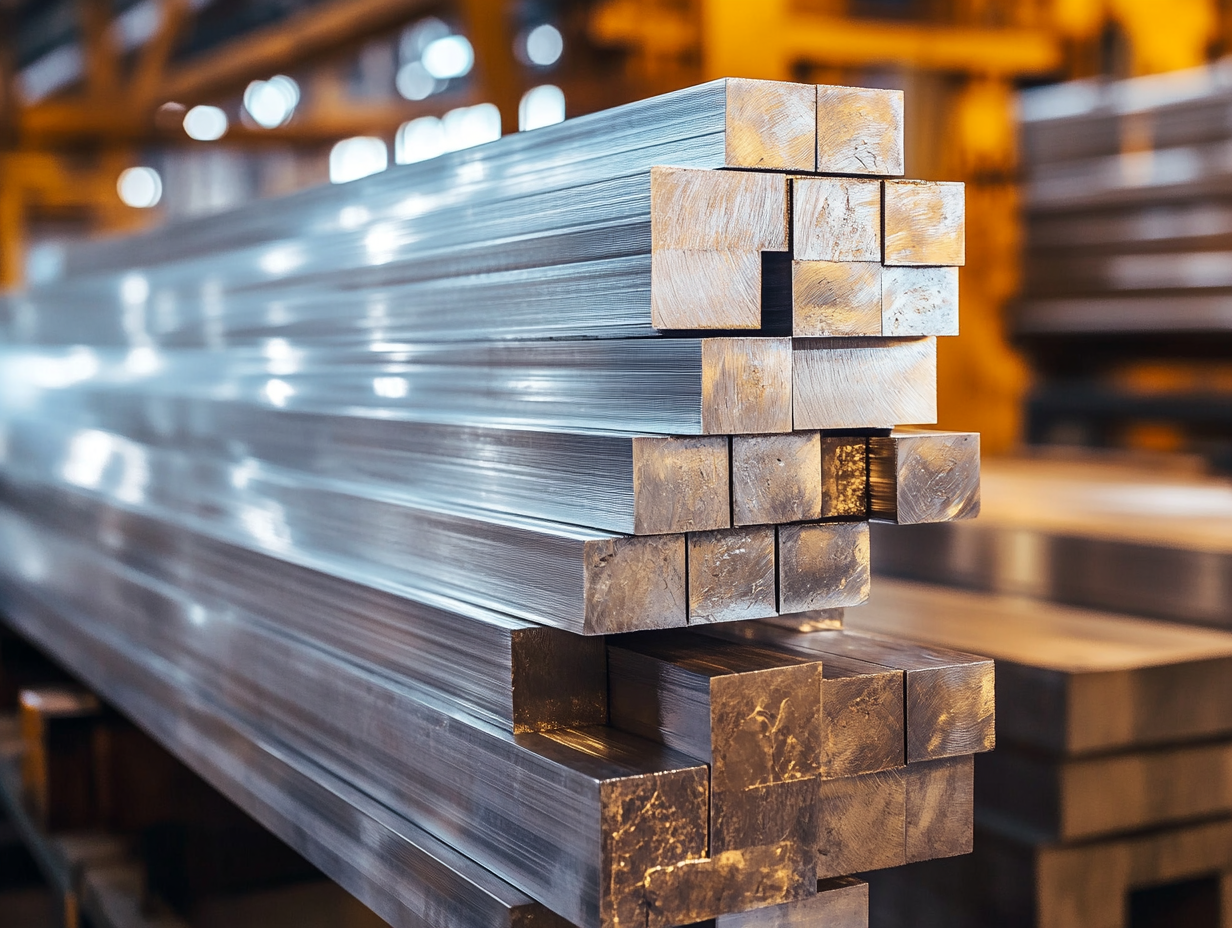
Sustainable and innovative aspects of the aluminum profile manufacturing industry continue to be driven by the new trends emerging therein. Most recycling initiatives have mobilized the production of low-carbon aluminum alloys. Innovations in this regard will enhance not only the performance of the products but also will promote the global cause to mitigate emissions along the supply chains. Additionally, the geopolitical sphere is seeing an increasing need for creating resilient supply chains, backed by the versatility of aluminum. Sustainable practices are fostering partnerships that promote products or processes which are environmentally friendly. The making of resilient supply systems underlines the broader trend where manufacturing practices are rethought to become more ecologically compliant, while growth is anticipated even in an increasingly competitive marketplace.
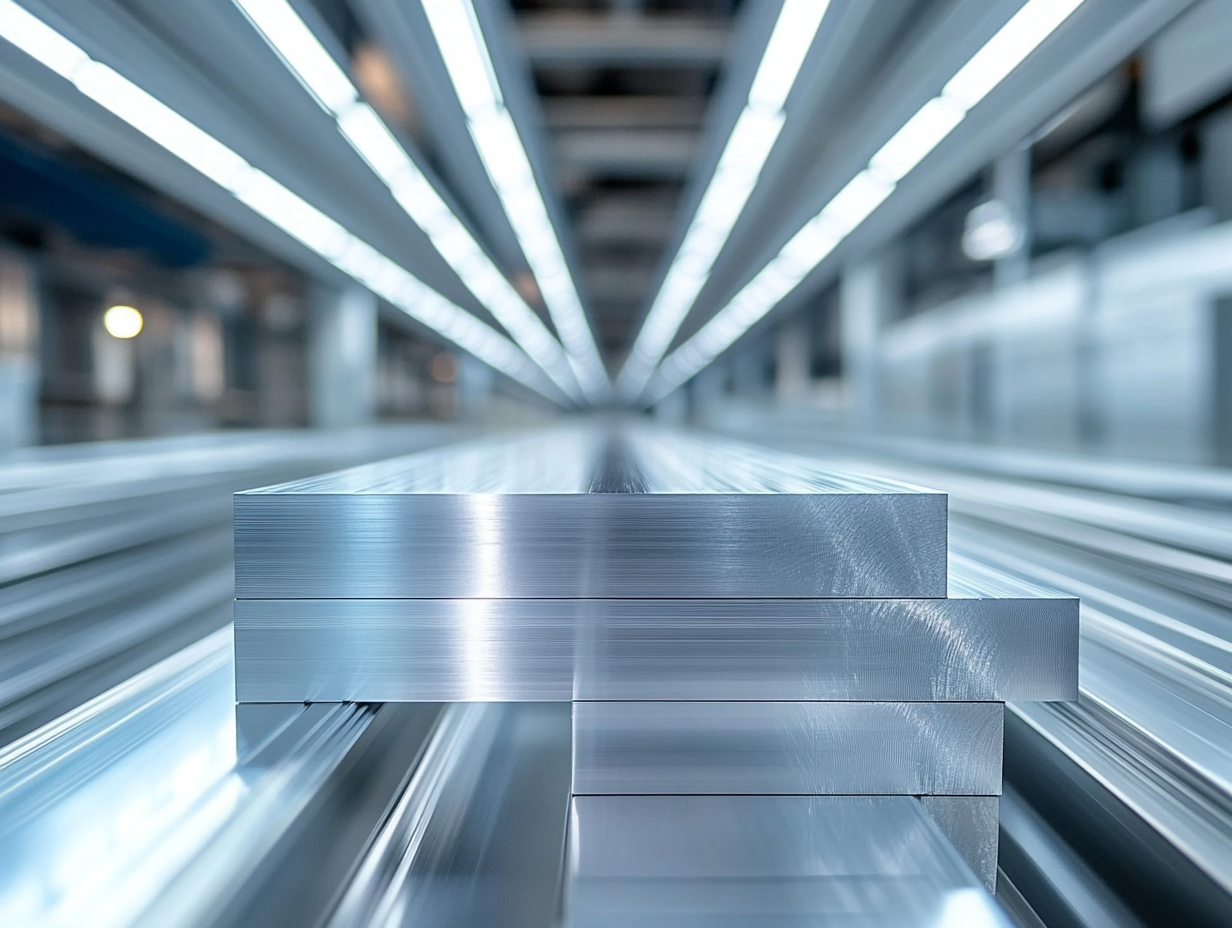
Sustainability begins to gain traction in aluminum production as industries commit themselves to reducing their carbon footprint. If there is going to be demand in aluminum, it is into the flexible packages and automotive sectors. It would demand more sustainable practices. Antiviral coatings or components of electric vehicles reflect the broader commitment to an environmentally-friendly and clean production process. The emphasis has to be on net carbon-neutral goals as they strive to make their entire supply chain reflect this vision of sustainability.
The other aspect is the risk of geographical dependency that can lead to a lot of disruptions in the aluminum supply chain, especially with bauxite from Guinea. The aluminum industry today navigates these challenges while integrating technologies that will improve the efficiency of supply chains such as those. A sustainable aluminum profile thus becomes not only beneficial to the environment but also more productivity-oriented towards nurturing budge growth, thus proving the way for growth in this critical sector through sustainability practices.
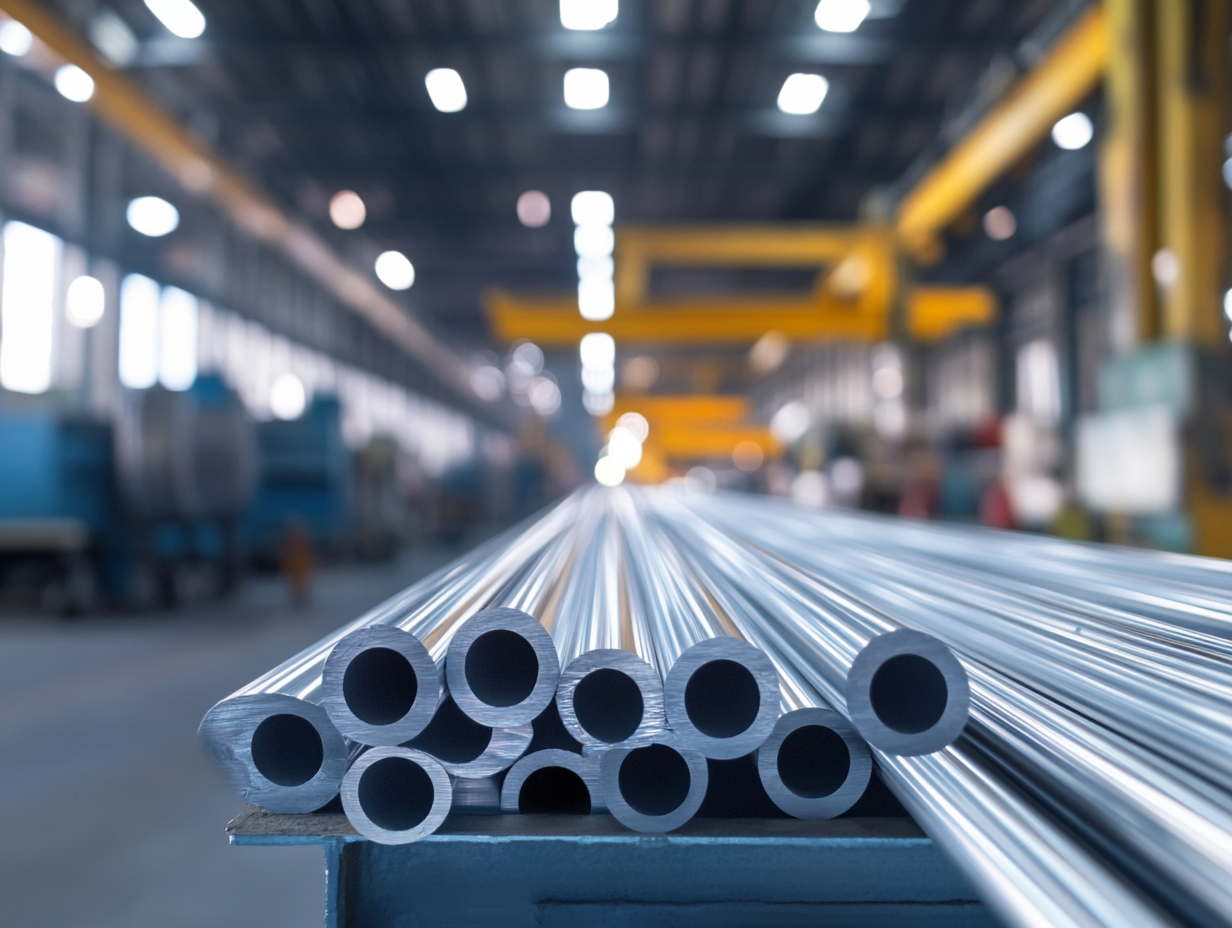
Revolutionizing the supply chain efficiency by innovations in aluminum profiles leans more towards flexible packaging and automotive applications. As the constructive demand for aluminum foil surges with the increasing popularity of flexible packaging and acceleration of vehicle electrification, these factors render favorable conditions for the market for aluminum profiles. The consumer requirements as well as sustainability goals are addressed here because the industries are continuously adapting to changes in order to reduce the overall carbon footprint.
Moreover, integrating much more improved technologies into the entire aluminium profile manufacturing process can also contribute towards more sustainable practices such as low-carbon raw material usage. Just as in the case of their industry leaders, for example, who collaborated to improve decarbonization in their supply chains, so those embracing aluminum application at various levels will make their operations more resilient and environmentally sustainable in manufacturing and logistics.
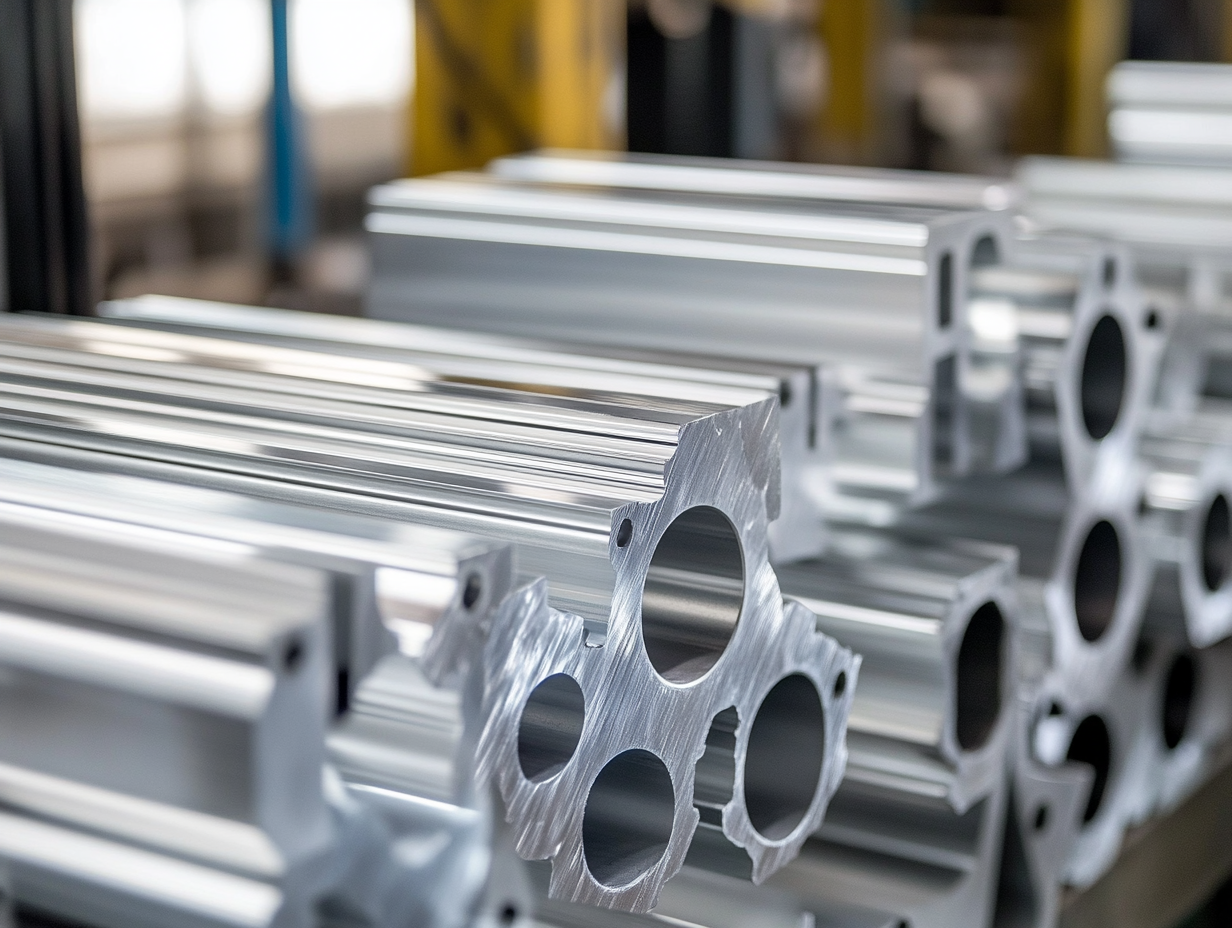
More and more, modern technologies play a crucial, if not definitive, role toward efficiency and sustainability as far as global supply chains are concerned. To compete with the challenges of supply chain volatility and excess capacity, innovative design techniques are becoming an absolute necessity. Examples include employing automated systems and smart manufacturing processes to attractively shorten lead times and optimize resource usage toward a resilient supply chain.
Sustainability is yet another major driver for the advancement in aluminum profile manufacturing. By using recycled materials and new alloy formulations, manufacturers can satisfy not only the environmental threshold but also carve out a piece of the emerging market like electric vehicles. This is yet another example that supports the argument of design innovations leading to lesser costs while meeting the requirements of an industry that seeks more eco-friendly options.
Government regulations are reshaping the dynamics of the aluminum supply chain, compelling metal producers to adapt sustainable practices and augment the resilience of their production systems while pushing the companies towards emission reductions. With the rising geopolitical mandate, companies are now diversifying their supply chain systems, putting more focus on promoting technological innovations for aluminum production and sourcing.
Advocating for low-carbon technologies and materials is increasingly important through regulatory compliance. Solutions are being sought through partnership avenues that avail to the company these innovative solutions to comply in anticipation of higher demand for and on-sold sustainable products. This paradigm shift promises not only to lessen the impacts on the environment but will also position these companies for the future marketplaces that will have stricter regulations and consumers who will generalize nimbly about all products.
After the October 2023 data collection cut-off date, worldwide supply chains have changed and particularly focus on integrating smart logistics with aluminum profiles. Innovations in alumina production and the development of fully integrated materials supply chains mean increased efficiency and strong sustainability. Current trends in alumina production can substantially benefit the aluminum supply chain within the U.S. by generally providing easier access to its essential raw materials for manufacturers.
With this transition towards achieving sustainability in logistics, companies are also considering alternative green resources such as biofuels and sustainable packaging, for which aluminum profile innovations are at the forefront. Integration of smart logistics and aluminum profiles will enable businesses to not only satisfy the increasing demand for climate-friendly options but also optimize their supply chain processes through the adoption of advanced technologies and sustainable practices. This opportunity allows companies to pursue increased efficiency as well as higher levels of environmental responsibility.
In the current scenario, the global supply chain scenarios are facing quite imperfect challenges owing to changing schemes of production and rising sustainability demands. Innovation in aluminum profiles is now being regarded as a viable solution to improve the efficiency and environmental impact of supply chains more than ever before since industries are rethinking supply chains. The use of low-carbon aluminum in production activities furthers sustainability goals as well as the parallel and growing demand for sustainable materials for manufacturing.
Joint activities within the aluminum sector, however, signal an ordinary willingness to take preventive action in confronting those challenges. New supply chains are now being created, integrating innovative technologies and processes to ensure that aluminum materials are responsibly sourced, manufactured, and applied in eco-conscious ways. That goes beyond just the decarbonization of the environment to include keeping firms in-demand in a marketplace where sustainability is gaining as much priority as cost factors.
The future of aluminum profiles in global supply chains is expected to experience drastic changes induced by sustainability push and technological developments. Recently formed partnerships show the industry's commitment toward carbon footprint reduction with the application of low-carbon aluminum, particularly in high-demand sectors like automotive. This shift not only supports the enhancement of the environmental profile of the production process of aluminum but also complements the growing consumer preference toward sustainable materials.
With the changing demand for aluminum profiles, new and innovative production techniques are additionally propelling the U.S. aluminum supply chain toward its fullest capability. Breakthrough technologies provide for efficient process designs involving less environmental damage. In addition, organizations are looking to bolster their resilience against cyber threats within the context of supply chains- new solutions are emerging to protect data against loss so that business activities can be continued with least disruption. In short, this would appear to create future market outlooks for aluminum profiles that lean increasingly toward sustainability, innovation, and security.
The future forecast for aluminum profile production is that there will be very high customization and flexibility for this industrious area to meet most, if not all, of the requirements of global supply chains. Geopolitical insecurities and labor disruptions are some of the big-and-required challenges, and to these disruptive conditions, they have to provide specialized solutions to meet the specific needs of clients. To this end, specialization-the customized production of aluminum profiles enhances the use of the product and at the same time improves the response time to evolve market requirements.
It adds to many things, including shifting the digitization process at production setup so that it is more live and less competitive for innovative products. This will help manufacturers develop products that will easily be required of them across multiple applications. So international supply chains can hold on to that kind of resilience. Future-proofing of operations through companies will solely depend on investments in adaptable production capabilities for aluminum given the scale of uncertainty and the ongoing risks in the supply chain.
Most importantly, collaboration among industries and their suppliers has never been more critical in the quickly changing international supply chains, especially in aluminum profiles. The lack of aluminum strongly validates this, as the current demands on various sectors-from brewing to construction-require pooling resources and expertise to build resilient supply chain solutions.
Indeed, as supply chains become even more threatened by cyber attacks, collaborative innovations become crucial for safeguarding data and improving security measures. Companies pool expertise into the strategies that build stronger data-protection infrastructure as well as more efficient logistics and manufacturing processes.
Such huge potential collaborations would guarantee not only a short-term, immediate demand for aluminum from someone but also a long-term, sustainable, and robust supply chain infrastructure for all stakeholders.
The emerging trends include a focus on sustainability, innovations in low-carbon aluminum alloys, and the development of resilient supply chains that enhance product performance and comply with environmental standards.
Companies in the aluminum industry are actively pursuing recycling initiatives, forming partnerships that prioritize eco-friendly processes, and developing low-carbon materials to reduce emissions and align with global sustainability efforts.
Aluminum profiles are revolutionizing supply chain efficiency, particularly in flexible packaging and automotive applications, by catering to growing consumer demands and helping industries reduce their carbon footprints.
Cutting-edge technologies are integrated into aluminum profile production to enable sustainable practices, such as the use of low-carbon materials, enhancing decarbonization efforts in supply chains.
Customization is crucial as it allows manufacturers to meet the specific needs of clients, enhances product functionality, and enables quicker responses to changing market demands, especially during disruptions.
Manufacturers face challenges such as labor shortages and geopolitical tensions, which necessitate the need for tailored solutions and adaptability in their production processes.
Digital transformation elevates the aluminum manufacturing process by allowing for real-time adjustments and innovative designs, empowering manufacturers to create versatile products suitable for various applications.
Investing in adaptable production capabilities is critical for manufacturers to navigate uncertainties, mitigate risks in the supply chain, and future-proof their operations against ongoing disruptions.




 wechat

