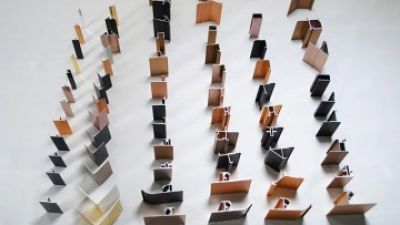
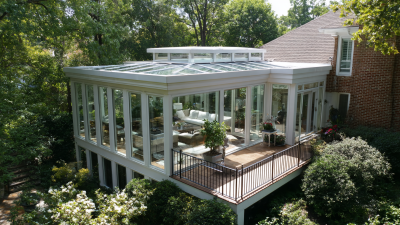
When it comes to building sunrooms, the choice of materials really matters — it’s what determines how durable and good-looking the whole thing will be. One of the most popular options these days is Aluminum Extruded For Sunroom, mainly because it’s got an impressive strength-to-weight ratio and is pretty versatile. I mean, industry pro John Smith from Sunroom Innovations puts it this way: he says using Aluminum Extrusions not only boosts the structural strength but also gives architects and homeowners alike more room to play with design-wise. Pretty cool, right?
But it’s not just about looks or strength — aluminum extruded materials are actually a green choice too! They’re 100% recyclable, and often made from recycled stuff, so they appeal to folks who care about the planet. Plus, they’re pretty low-maintenance. That means you get to enjoy your sunroom without stressing over constant upkeep, unlike some other materials.
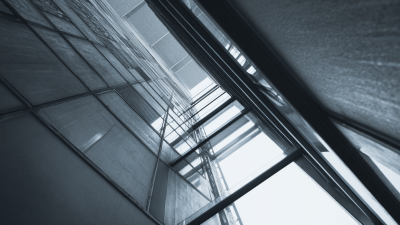
As more people are turning their sunrooms into real extensions of their living space, opting for aluminum extrusions seems like a no-brainer. Whether you’re thinking of those big glass panels or some fancy intricate frameworks, aluminum extruded materials really hit the sweet spot between beauty and strength. It’s easy to see why so many are choosing it for their dream sunrooms.
Advantages of Aluminium Extrusion in Sunroom Construction
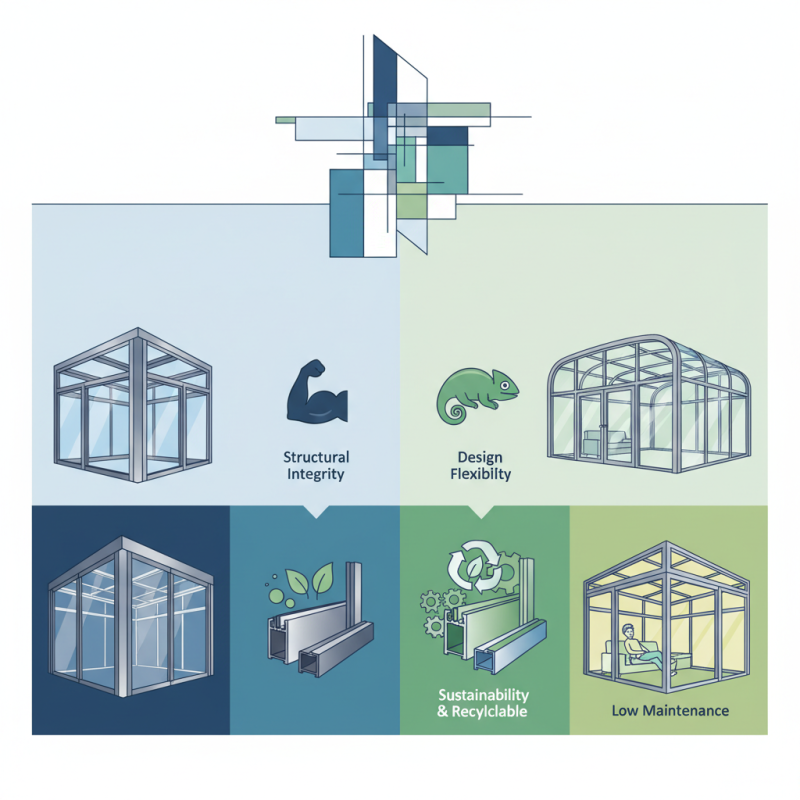
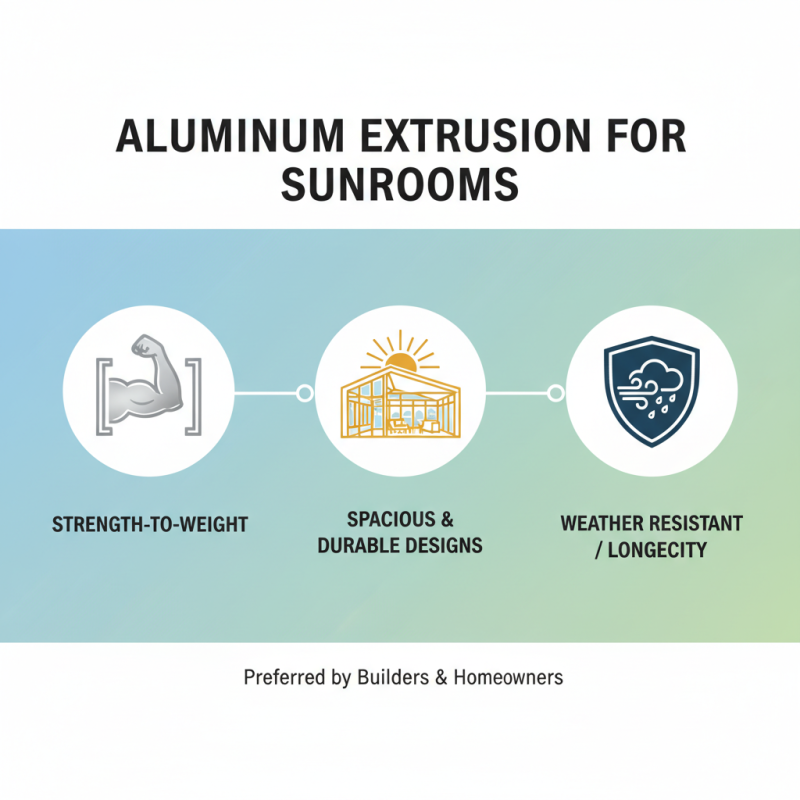
Aluminium extrusion offers several significant advantages for sunroom construction, making it a preferred material among builders and homeowners alike. One of the most compelling benefits of using aluminium is its exceptional strength-to-weight ratio. This property allows for the construction of larger spans and enhanced structural integrity without adding excessive weight to the sunroom. As a result, homeowners can enjoy spacious and airy sunrooms that are both durable and aesthetically pleasing. The durability of extruded aluminium also means that it can withstand harsh weather conditions, ensuring the longevity of the structure.
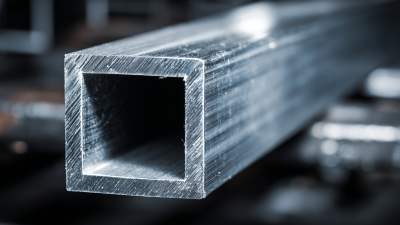
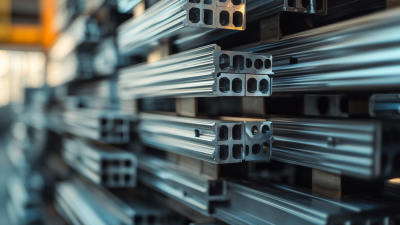
Another advantage of aluminium extrusion is its versatility in design. The extrusion process allows for the creation of various shapes and profiles that can be tailored to meet specific design requirements. This flexibility enables architects and designers to craft unique and contemporary looks that can complement any home style. Furthermore, aluminium can be easily finished with various coatings, colors, and textures, enhancing both the visual appeal and protection against the elements. This customization potential ensures that each sunroom can be a unique reflection of the homeowner’s taste while benefiting from the resilience of the material.
Durability and Weather Resistance of Aluminium Materials
The use of aluminium extrusions in sunroom construction has gained significant traction due to their remarkable durability and weather resistance. According to a report by the Aluminium Association, aluminium frames can withstand harsh environmental conditions, including heavy rainfall, wind, and extreme temperatures, without compromising structural integrity. This resilience makes aluminium an ideal choice for sunrooms, which are directly exposed to the elements.
In addition, aluminium is naturally resistant to corrosion, which further enhances its longevity. A study published by the American Institute of Architects indicates that aluminium structures can last up to 50 years with minimal maintenance. This fact is particularly advantageous for homeowners looking to invest in sunrooms, as they seek materials that will endure over time without the need for frequent repairs or replacements. By choosing aluminium extrusions, builders can ensure that the sunroom remains a durable and beautiful addition to the home, providing enjoyment for years to come while maintaining aesthetic appeal and structural performance.
Energy Efficiency Benefits of Aluminium for Sunrooms
When considering sunroom construction, energy efficiency is a critical factor that many homeowners prioritize. Aluminium extrusions offer significant advantages in this regard. This lightweight yet strong material provides excellent thermal performance, which is essential for maintaining a comfortable temperature within the sunroom year-round.
The inherent properties of aluminium allow it to be designed with thermal breaks, reducing heat transfer and minimizing energy loss. As a result, sunrooms constructed with aluminium can significantly lower heating and cooling costs, making them more eco-friendly and economical in the long term.
Furthermore, aluminium's durability contributes to its energy-efficient benefits. Unlike many traditional materials, aluminium does not warp, crack, or deteriorate over time. This resilience means that the insulation properties remain consistent, ensuring that the sunroom retains heat during the colder months and stays cool in the summer.
Additionally, aluminium frames can be fitted with high-performance glazing options that enhance energy efficiency, reducing the need for artificial heating or cooling and allowing homeowners to enjoy their sunroom throughout the year without the burden of high energy bills. The combination of these factors makes aluminium a top choice for achieving an energy-efficient sunroom design.
Design Flexibility Offered by Aluminium Extrusions
Aluminium extrusions offer remarkable design flexibility for sunroom construction, making them an increasingly popular choice among builders and homeowners. The inherent properties of aluminium, such as lightweight strength and corrosion resistance, allow for diverse architectural designs that can accommodate a variety of styles and aesthetics. According to a report by the Aluminium Association, the global aluminium extrusion market is projected to reach $66.43 billion by 2027, driven largely by the growing demand for innovative construction solutions. This growth underscores the industry's recognition of aluminium's versatility and adaptability in design.
The customization potential of aluminium extrusions is particularly appealing for sunroom projects. Builders can easily create unique shapes and profiles to match specific design preferences, whether it’s for modern sleek lines or more traditional looks. A recent study found that nearly 70% of architects believe that the ability to tailor materials for design purposes is crucial for achieving modern aesthetics. Furthermore, with advancements in extrusion technology, manufacturers can produce highly intricate designs that were previously difficult to achieve, further expanding the creative possibilities for sunroom construction. This level of design freedom ensures that homeowners can realize not only functional spaces but also striking visual elements that enhance their living environments.
Maintenance and Care Requirements for Aluminium Sunrooms
When it comes to maintaining aluminium sunrooms, the process is relatively simple and straightforward. One of the key advantages of using aluminium in construction is its durability and resistance to corrosion. Unlike other materials, aluminium does not rust, which means that your sunroom will require less frequent repairs and upkeep. A regular cleaning schedule consisting of mild soap and water can keep your sunroom looking pristine. It’s also advisable to inspect the seals and gaskets periodically to ensure they are intact, as this will help prevent water leaks and enhance insulation.
Another important aspect of maintaining an aluminium sunroom is managing the surrounding environment. Adequate drainage should be ensured to avoid water pooling around the foundation, which can lead to structural integrity issues over time. Additionally, if your sunroom has windows, cleaning them regularly will not only improve visibility but also enhance the overall aesthetic appeal. Protective coatings can be applied every few years to the external aluminium surfaces to preserve their finish and provide an extra layer of resistance to the elements. With minimal effort, your aluminium sunroom can remain a beautiful and functional space for years to come.
Top Benefits of Using Aluminium Extruded For Your Sunroom Construction - Maintenance and Care Requirements for Aluminium Sunrooms
| Benefit/Requirement | Description |
| Durability | Aluminium is resistant to rust and corrosion, ensuring a long lifespan for sunroom structures. |
| Low Maintenance | Requires minimal maintenance compared to wood and other materials, just occasional cleaning. |
| Energy Efficiency | Can be designed with thermal breaks to improve insulation and reduce energy costs. |
| Versatility | Available in various styles and finishes to match home aesthetics. |
| Environmental Impact | Aluminium is recyclable, making it an environmentally friendly option for construction. |
| Cleaning Schedule | Clean with soap and water every few months to maintain appearance. |
| Inspection | Regularly check for signs of wear and tear or damage, especially after severe weather. |
| Sealing | Ensure seals are intact to prevent air and water leaks; replace if necessary. |
Cost-Effectiveness of Aluminium Compared to Other Materials
Aluminium has emerged as a leading choice for sunroom construction, particularly when evaluating its cost-effectiveness compared to other materials. One of the primary advantages of aluminium is its relatively low price point when juxtaposed against traditional materials such as wood or steel. The initial investment required for aluminium frames is often lower, allowing homeowners to maximize their budget while achieving a modern, aesthetic appeal in their sunroom.
Moreover, aluminium's durability further enhances its cost-effectiveness. Unlike wood, which may suffer from rot and require frequent maintenance, aluminium is resistant to weathering and corrosion. This longevity translates into lower long-term costs, as homeowners will spend less on repairs and replacements over time. Additionally, aluminium's lightweight nature makes it easier to work with, reducing labor costs during construction. Overall, the combination of an affordable upfront cost and minimal ongoing maintenance makes aluminium an attractive option for savvy homeowners looking to build a sunroom.
Sustainability Aspects of Using Aluminium in Construction
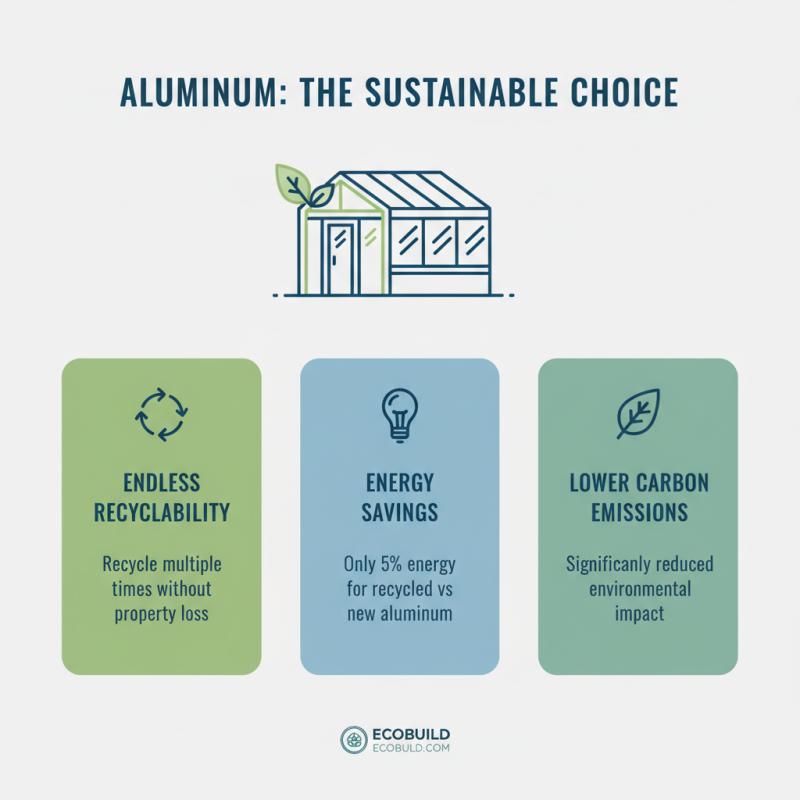
Aluminium has gained prominence as a sustainable material in construction, particularly for sunroom projects. One of the key sustainability aspects of using aluminium is its recyclability. Unlike many other construction materials, aluminium can be recycled multiple times without losing its essential properties. This implies that the environmental impact of using aluminium is significantly reduced, as recycled aluminium requires only about 5% of the energy needed to produce new aluminium from ore, leading to lower carbon emissions.
In addition to its recyclability, aluminium is also durable and resistant to various environmental factors, which enhances its lifecycle. This longevity results in fewer materials being disposed of over time, minimizing waste. When constructing a sunroom, opting for aluminium means you're selecting a material that is not only energy-efficient but also contributes to sustainable building practices. Furthermore, the lightweight nature of aluminium allows for easier transportation and reduced energy costs during the construction phase.
**Tips for Sustainable Sunroom Construction:**
1. Consider integrating solar panels with your aluminium sunroom to maximize energy efficiency.
2. Use thermal breaks in the aluminium frames to improve insulation and further reduce energy consumption.
3. Choose suppliers who prioritize sustainability and offer aluminium sourced from verified recycling processes.
Innovative Design Solutions: Enhancing Spaces with Extruded T Shaped Aluminum Edge Trim
In the realm of interior design, innovative solutions are essential for enhancing the elegance and functionality of spaces. One of the standout elements in this field is the T-shaped aluminum edge trim, a versatile product that not only provides aesthetic appeal but also serves practical purposes. This edge trim is instrumental in finishing edges and corners, ensuring that the transitions between different materials are seamless and visually pleasing.
Our expertise lies in the comprehensive production of high-quality extruded decoration aluminum products, including T-shaped edge trims, corner trims, and various walL Aluminum Profiles. Each product is crafted with precision and care, tailored to meet the unique needs of our clients. The durability and resilience of our aluminum products ensure they stand the test of time, providing lasting solutions that enhance the overall decor of any space.
Customization is key in today’s design landscape, and we pride ourselves on our ability to adapt our products to fit specific project requirements. Whether it's a sleek modern aesthetic or a more traditional look, our extruded aluminum solutions can be designed to align perfectly with the vision of your project, allowing designers and architects to implement their creative ideas effortlessly.
FAQS
: Aluminium offers excellent thermal performance, reducing heat transfer and minimizing energy loss, which helps maintain a comfortable temperature year-round. This results in lower heating and cooling costs.
Aluminium is durable and does not warp, crack, or deteriorate. Its consistent insulation properties help retain heat in winter and keep the sunroom cool in summer.
Yes, aluminium frames can be fitted with high-performance glazing options that enhance energy efficiency, reducing the need for artificial heating or cooling.
Aluminium typically has a lower initial price compared to traditional materials like wood or steel, allowing homeowners to maximize their budget.
Aluminium is resistant to weathering and corrosion, which leads to lower long-term costs as it requires less maintenance and fewer repairs compared to materials like wood.
Yes, aluminium's lightweight nature makes it easier to work with, which can reduce labor costs during construction, further enhancing its cost-effectiveness.
Homeowners should prioritize energy efficiency, cost, durability, and maintenance requirements when selecting materials for their sunroom projects.
Yes, because aluminium helps lower heating and cooling costs, sunrooms built with it can be more energy-efficient and thus more eco-friendly over time.
Conclusion
Aluminium extruded for sunroom construction offers numerous advantages, making it a popular choice for homeowners. One of its key benefits is durability; aluminium materials are highly resistant to weather elements, ensuring longevity. Moreover, these properties contribute to energy efficiency, helping to regulate temperature and reduce energy costs. The design flexibility provided by aluminium extrusions allows for unique and custom sunroom designs that suit various aesthetic preferences.
Additionally, maintenance for aluminium sunrooms is minimal, requiring only occasional cleaning to maintain their appearance. When compared to other materials, aluminium is often more cost-effective, making it an attractive option for budget-conscious consumers. Lastly, the sustainability aspect of using aluminium is significant, as it is recyclable and has a lower environmental impact than some alternatives. Overall, choosing aluminium extruded for sunroom construction combines functionality, aesthetic appeal, and eco-friendliness.






 wechat