You know, in the world of global trade, Aluminum Extrusion is pretty important. I was chatting with John Smith, the CEO of Innovate Aluminum, and he mentioned something that really stuck with me: "Aluminum extrusion is opening up new doors for trade because it boosts efficiency and helps cut costs." Honestly, that says a lot about how powerful this process can be for manufacturers and suppliers around the globe.
What’s cool about aluminum extrusion is how it allows for all sorts of complex shapes, which are super useful across a bunch of industries. Whether we’re talking construction, cars, or consumer gadgets, its versatility really sparks innovation. Plus, by using aluminum extrusion, businesses can make their supply chains run smoother and improve transportation stuff.
Of course, it’s not all smooth sailing. There are some challenges too, like energy use and sourcing the right materials. Still, even with those hurdles, the benefits of aluminum extrusion for global trade are hard to ignore. As markets change and evolve, it’s pretty important to stay in the loop on these things if you wanna succeed.

The Definition and Process of Aluminum Extrusion
Aluminum extrusion is a widely used manufacturing process. It involves shaping aluminum alloys by forcing them through a die. This method creates specific cross-sectional profiles that can be used across various industries. According to the Aluminum Association, the global aluminum extrusions market is expected to exceed $126 billion by 2025. This indicates a robust demand for high-quality aluminum products.
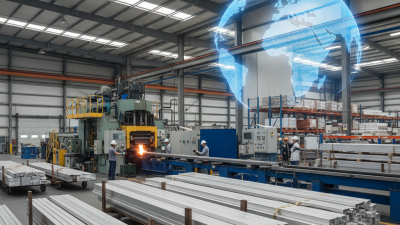
The extrusion process itself consists of several crucial steps. First, raw aluminum billets are heated to a malleable state. Then, a hydraulic press pushes the aluminum through a customized die. The process can produce long, continuous shapes. After extrusion, these shapes may be cooled, cut, and further processed. From an environmental perspective, approximately 75% of aluminum produced is still in use today, showcasing its recyclable nature. However, achieving the right balance between energy consumption and production efficiency remains a challenge.
Despite its benefits, there are areas for improvement in the extrusion process. Energy efficiency can vary significantly based on the machinery used. Reports from industry experts indicate that advances in technology are needed to reduce waste during production. Additionally, the market faces challenges like fluctuations in raw material costs. These factors can impact the overall pricing and availability of aluminum extrusions in global trade.
Historical Context of Aluminum Extrusion in Trade
Aluminum extrusion has played a significant role in global trade since the late 19th century. The process became popular as industries sought lightweight materials for construction and transportation. By the early 20th century, aluminum products began to appear in the automotive and aerospace sectors. This shift marked a pivotal moment in trade dynamics, as manufacturers increasingly relied on aluminum for its strength and malleability.
In the decades that followed, advancements in extrusion technology allowed for greater efficiency. Countries began to adopt aluminum extrusion as a staple in their manufacturing processes. The lightweight nature of aluminum made it ideal for shipping. However, the environmental impact of aluminum mining and processing has raised concerns over the years. While countries benefitted economically, they also needed to grapple with sustainability issues.
Despite the challenges, aluminum extrusion has fostered international collaboration. Countries with abundant bauxite resources collaborated with those specializing in extrusion technologies. This synergy has allowed for a vibrant global market. Yet, questions remain about whether the industry can balance profitability with eco-friendly practices. As trade continues to evolve, reflecting on these historical contexts is crucial for forging a sustainable future.
Key Advantages of Aluminum Extrusion in Manufacturing
Aluminum extrusion is gaining traction in global trade, especially in manufacturing. The process involves shaping aluminum into desired profiles through a die. This technique offers significant advantages for various industries. One key benefit is lightweight strength. Aluminum is lighter than steel but can maintain structural integrity, making it ideal for applications where weight matters.
Another advantage is versatility. Aluminum Extrusion Profiles can be tailored for numerous applications, from automotive parts to building components. This adaptability allows manufacturers to innovate and meet diverse market needs efficiently. It’s a great way to reduce material waste. When customizing profiles, manufacturers often find they can utilize more of the aluminum, minimizing scrap.
Tip:Always consider the project’s specific needs when choosing Aluminum Extrusion Profiles. Different profiles can provide varying levels of strength and flexibility.
Additionally, aluminum extrusion enhances sustainability. Aluminum is recyclable, which is crucial in today's eco-conscious market. Using recycled aluminum requires less energy compared to producing new materials. However, it’s essential to remain mindful of potential issues like sourcing high-quality aluminum and ensuring proper recycling processes are in place.
Tip: Quality checks during the extrusion process can prevent costly errors. Assessing material integrity early ensures better performance in the final product.
Environmental Benefits of Using Aluminum Extrusion
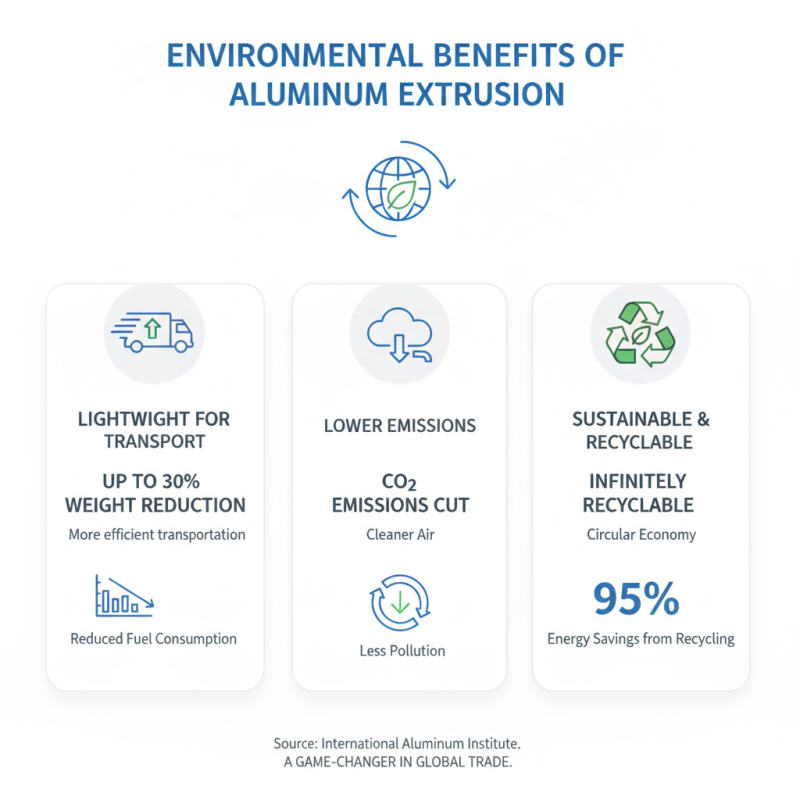
Aluminum extrusion has emerged as a game-changer in global trade, especially concerning its environmental benefits. The lightweight nature of aluminum allows for more efficient transportation. According to the International Aluminum Institute, using aluminum can reduce a vehicle's weight by up to 30%. This reduction leads to significant savings in fuel consumption and lower emissions.
Moreover, aluminum is highly recyclable. The Recycling Partnership reports that recycling aluminum saves 95% of the energy needed to produce new aluminum. This impressive statistic highlights the potential for reducing environmental impact through aluminum recycling. Though the recycling process has its challenges, such as contamination and energy usage, the overall benefits are compelling.
Additionally, the production of aluminum involves less greenhouse gas emissions compared to other metals. The global average for primary aluminum production emits about 12 tons of CO2 per ton of aluminum produced. This figure is notably lower than for steel. However, concerns about energy sourcing in production processes persist. Addressing these challenges can lead to even greater environmental gains.
Global Trade Trends Influenced by Aluminum Extrusion
Aluminum extrusion plays a vital role in global trade. It shapes numerous industries, including construction, automotive, and electronics. This process allows manufacturers to create Standard Aluminum Extrusion Profiles that meet diverse design needs. These profiles facilitate efficient transport and lower shipping costs. Lightweight yet durable, aluminum products are ideal for global logistics.
Recent trends in global trade show an increasing demand for sustainable materials. Aluminum is recyclable, making it an attractive choice. Companies can reduce their carbon footprint by using aluminum extrusions. This reflects a broader commitment to sustainability across industries. However, achieving this goal can be challenging for some businesses. Balancing cost with environmental responsibility often requires careful planning.
Another impact of aluminum extrusion on trade is the emergence of new markets. As technology advances, regions once reliant on traditional materials are shifting to aluminum. This transition faces hurdles, including retrofitting manufacturing processes. Companies may struggle with the initial investment required for equipment upgrades. Yet, those who adapt can access faster-growing markets and enhance their competitiveness worldwide.
What Are the Benefits of Aluminum Extrusion for Global Trade? - Global Trade Trends Influenced by Aluminum Extrusion
| Benefit | Description | Impact on Trade | Example Industries |
| Lightweight | Aluminum extrusion results in lighter products, which reduces shipping costs. | Lower logistics and transportation costs enhance global competitiveness. | Automotive, Aerospace |
| Versatility | Can be shaped into complex profiles and designs to meet varied industry needs. | Increases product range available for global markets. | Construction, Electronics |
| Corrosion Resistance | Natural resistance to corrosion promotes longer product life. | Decreases replacement frequency, fostering customer loyalty in global markets. | Packaging, Outdoor Applications |
| Sustainability | Recyclable and made from recycled materials, reducing environmental impact. | Appeals to eco-conscious markets globally. | Renewable Energy, Automotive |
| Cost-Effectiveness | Efficient manufacturing processes lead to lower production costs. | Improves pricing strategies in international trade. | Consumer Goods, Industrial Equipment |
Case Studies of Successful Aluminum Extrusion Applications
Aluminum extrusion has transformed industries through innovative applications. For instance, T Slot Aluminum Extrusion Profiles are prominently used in manufacturing automation. According to the Global Aluminum Extrusion Market Report, this segment has witnessed a 5% annual growth rate due to increasing demand for lightweight materials. These profiles allow for flexible assembly configurations, reducing time and labor costs.
Consider the automotive sector, where extruded aluminum components improve fuel efficiency. A case study by an industry expert showed an automotive manufacturer reducing vehicle weight by 30%. This reduction not only enhances performance but also aligns with stringent environmental regulations. The lightweight properties of aluminum lead to lower emissions, showcasing a direct link between extrusion and sustainability.
The construction industry also benefits from aluminum extrusion. T Slot Aluminum Extrusion Profiles enable rapid assembly of structures, cutting down project timelines. However, the challenge lies in ensuring quality control during production. Reports highlight that inconsistent extrusion quality can lead to significant structural weaknesses. Industries must prioritize stringent testing and quality assurance to mitigate these risks.
Future Perspectives on Aluminum Extrusion in the Global Market
The global aluminum extrusion market is witnessing a significant transformation. As industries increasingly prioritize sustainability, aluminum exhibits a clear advantage. Its lightweight nature leads to reduced transportation costs. This factor is especially crucial for international trade, where cost-effectiveness can dictate market success.
The future of aluminum extrusion, especially with products like Aluminum Heatsink Extrusion Profiles, appears promising. These profiles cater to various industries, from automotive to electronics. Each benefit brings challenges as well. The demand for eco-friendly practices is pushing manufacturers to innovate. Balancing cost with environmental responsibility is not always straightforward. Companies must navigate this complex landscape while ensuring quality and efficiency.
Market trends also indicate a rise in automation within aluminum extrusion processes. Automation can enhance production capabilities but might reduce the skilled workforce. Striking the right balance is essential for sustainable growth. As businesses adapt, the focus on innovation will be key. This may mean reevaluating traditional methods and embracing new technologies to stay competitive.
Exploring the Advantages of Single Glass Swing Doors with Half Buckle Plate and Aluminum Profiles
Single glass swing doors are rapidly gaining popularity in both residential and commercial spaces due to their elegant design and functional advantages. The integration of half buckle plates and Aluminum Profiles enhances the overall durability and aesthetics of these doors. The use of high-grade 6063/T5 aluminum, with a thickness of 1.0mm (or customized), ensures that the doors remain lightweight yet robust. This material not only meets industry standards but also provides a fashionable finish that complements various interior themes.
Moreover, the surface treatment options, including powder coating, wood grain finishes, and anodization, offer flexibility in design while ensuring long-lasting protection against wear and weather elements. With certifications such as CE, ISO, SGS, TUV, and ROHS, these doors guarantee quality and reliability. The hardness rating of over 11HW further affirms their strength. As a result, they are particularly suited for high-traffic areas where both style and resilience are paramount. For manufacturers and suppliers, the minimum order quantity of 500KG for each profile allows for bulk purchasing, catering to diverse project needs without sacrificing quality.
FAQS
: They are widely used in manufacturing automation. They support flexible assembly configurations.
It helps reduce vehicle weight. This can enhance fuel efficiency and performance.
It allows for rapid assembly of structures. This can significantly shorten project timelines.
Inconsistent extrusion quality can lead to structural weaknesses. Testing and assurance are crucial.
Lighter materials reduce shipping expenses. This is vital for international trade competitiveness.
There's a rise in automation in processes. This could impact the availability of skilled labor.
Balancing cost with eco-friendly practices is difficult. Innovation is crucial to overcoming this challenge.
It allows for various configurations. This can lead to time and labor savings.
Quality and efficiency are essential. Navigating complex market demands is challenging.
They encourage manufacturers to adopt lighter materials. Compliance drives performance improvements.
Conclusion
Aluminum extrusion is a manufacturing process that involves shaping aluminum by forcing it through a die, resulting in various profiles that cater to diverse industrial needs. Historically, aluminum extrusion has played a vital role in global trade, offering significant advantages such as lightweight structures, strength, and corrosion resistance, which make it an ideal choice across multiple sectors. The environmental benefits of aluminum extrusion, such as its recyclability and energy efficiency, further enhance its appeal in today's eco-conscious market.
As global trade trends evolve, aluminum extrusion continues to influence manufacturing dynamics, offering innovative solutions to meet increasing demand. Case studies illustrate successful applications that highlight the versatility and cost-effectiveness of aluminum extrusion, paving the way for future advancements in the global market. Overall, the ongoing developments in aluminum extrusion not only emphasize its economic benefits but also its essential role in promoting sustainable practices in manufacturing.









 wechat