Hey there! You know, the world of architecture and manufacturing is always changing. There’s this constant push for materials that look good, last long, and serve a real purpose. Among the many options out there, Anodized Aluminum Profiles have really become a go-to for a bunch of different projects. And honestly, it’s not hard to see why—they come with some pretty cool perks. I remember reading a report by MarketsandMarketsfrom 2022, which said that the global Aluminum Extrusion market is expected to hit about130 billion dollars by 2026. That just shows how much people want high-performance materials like anodized aluminum these days.
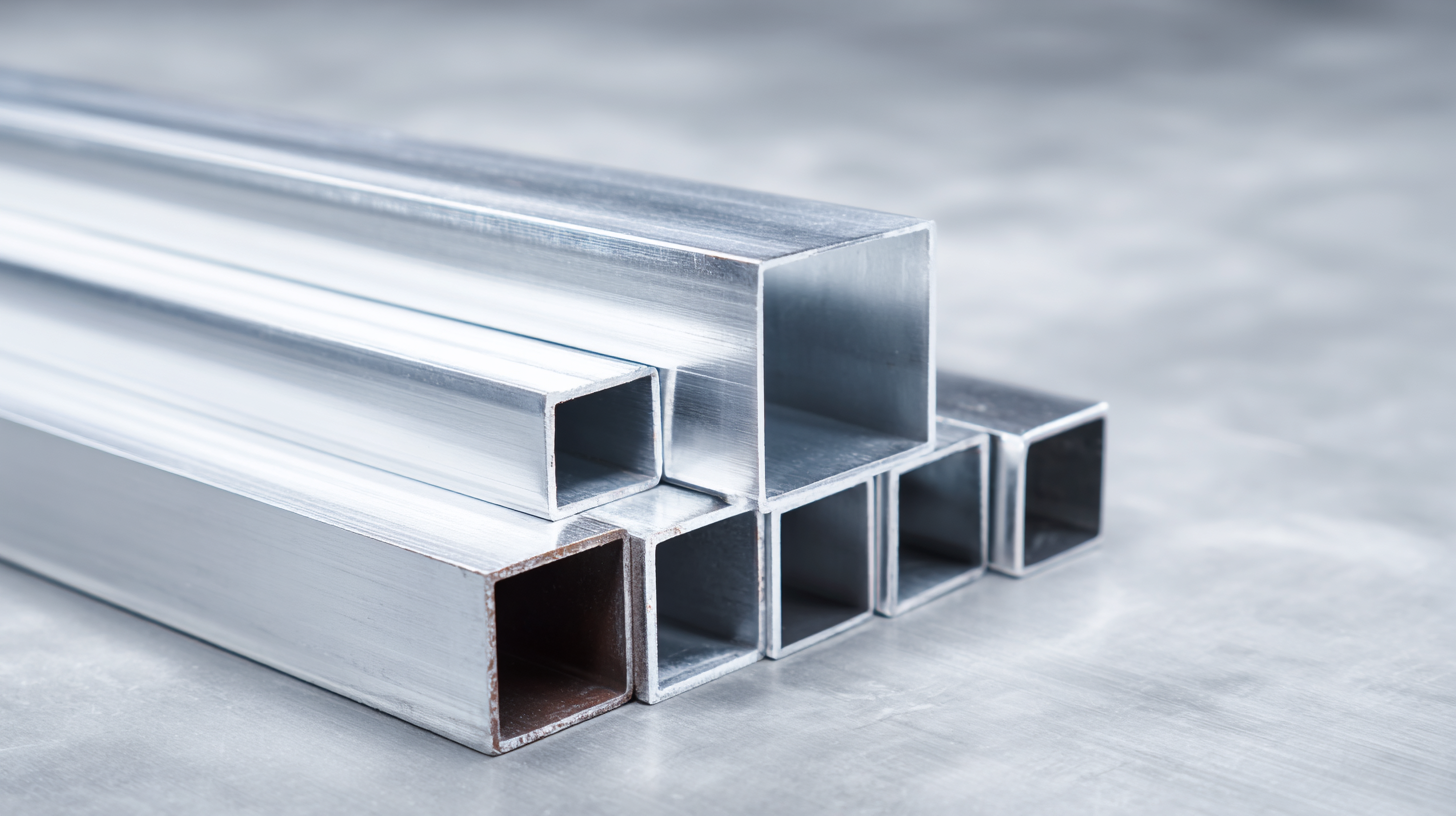
One of the biggest upsides? Their resistance to rust and corrosion. If you’ve ever worked with metals exposed to moisture or chemicals, you know that’s a total game-changer. Plus, studies suggest that anodized surfaces can boost product lifespan by up to 50%. That means less money spent on repairs and maintenance over time, which is pretty awesome for the bottom line. And let’s not forget the style factor—anodizing gives a sleek, modern look that can really open up new creative design possibilities. It’s great for architects and designers wanting to make their projects stand out.
In this piece, I’ll walk you through the top five benefits of using anodized aluminum profiles in your work. Trust me, they’re worth considering if you’re looking to push your project’s functionality and style a bit further.
Enhancing Durability: The Longevity of Anodized Aluminum Profiles in Various Environments
Anodized aluminum profiles offer significant advantages in enhancing durability, especially in challenging environments. The anodization process creates a thick oxide layer on the aluminum surface, significantly improving its resistance to corrosion, wear, and environmental elements. This enhanced protection is particularly crucial for projects situated in harsh conditions, where exposure to moisture and chemicals can quickly deteriorate unprotected materials. Anodized aluminum profiles ensure that structures maintain their integrity and appearance over time, even when subjected to the rigors of outdoor installations.
Recent advancements in corrosion protection technologies highlight the importance of utilizing high-performance materials like anodized aluminum. As recycling processes advance, the quality of secondary aluminum can sometimes compromise its corrosion resistance. Incorporating anodized finishes on recycled aluminum not only enhances its longevity but also transforms it into a more sustainable choice for various applications. This integration of durability and sustainability makes anodized aluminum profiles a strategic option for builders and designers looking to invest in long-lasting materials that align with environmental considerations.
Cost-Effectiveness: Long-term Financial Benefits of Choosing Anodized Aluminum Profiles
Anodized aluminum profiles are increasingly recognized for their cost-effectiveness, offering significant long-term financial benefits for various projects. This material not only boasts durability and resistance to corrosion but also reduces maintenance and replacement costs over time. By incorporating anodized aluminum profiles, businesses can minimize waste and extend the lifespan of their projects, aligning with sustainable practices in the construction industry. This approach not only contributes to financial savings but also supports effective waste management, an essential factor in promoting sustainability in construction.
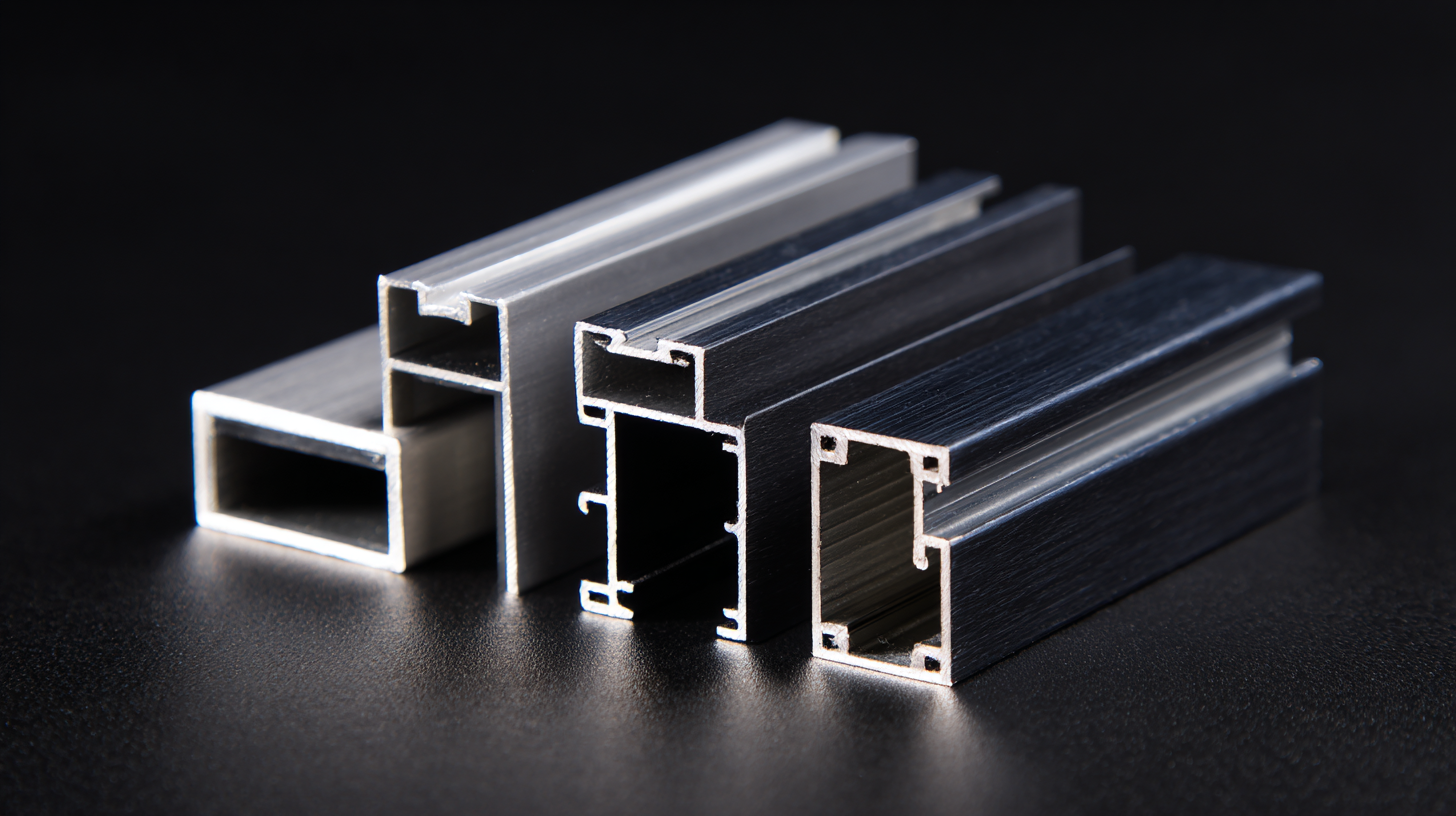
In an era where environmental concerns are paramount, the use of anodized aluminum profiles can enhance the green credentials of a project. These profiles are often produced with lower environmental impact compared to other materials, contributing to overall sustainability goals. As industries, including packaging and manufacturing, increasingly prioritize sustainable practices, choosing anodized aluminum profiles becomes not just a cost-effective solution but also a strategic choice that positions businesses favorably within the market.
Aesthetic Appeal: Customization and Design Versatility of Anodized Aluminum Profiles
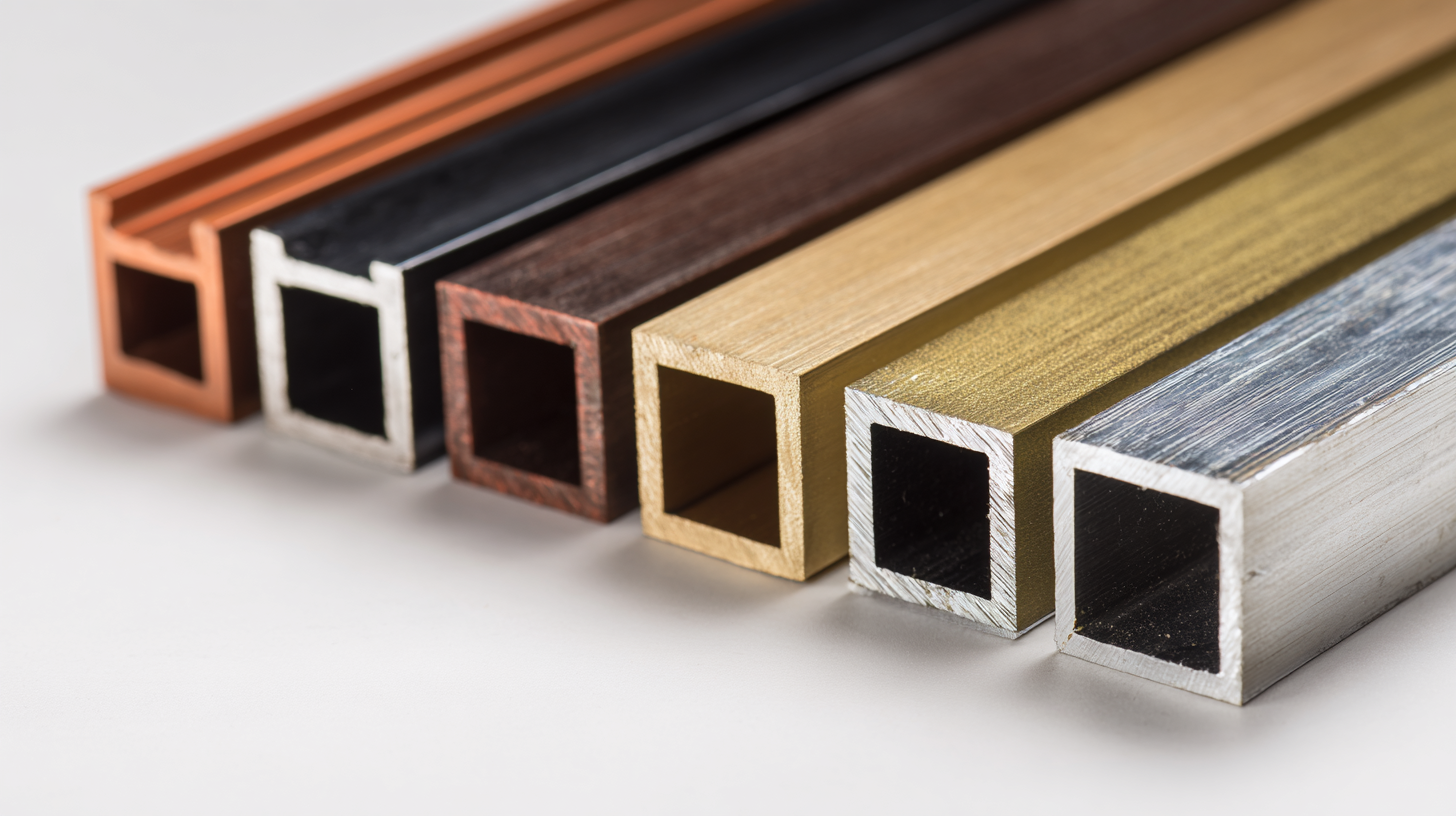
Anodized aluminum profiles offer a remarkable combination of aesthetic appeal and design versatility, making them an ideal choice for various projects. With the process of anodization enhancing both the durability and visual aspects of aluminum, these profiles can be customized in a multitude of colors and finishes. This flexibility allows architects and designers to create striking visual elements and seamless integrations with modern building designs. The ability to tailor aluminum profiles to specific project requirements not only enhances the overall look but also ensures that functional aspects are met without compromising style.
When considering anodized aluminum profiles, here are a couple of tips to maximize their benefits:
1. Explore various anodizing colors and textures to complement your project’s theme, ensuring a cohesive design that stands out.
2. Take advantage of the lightweight nature of aluminum, which can reduce structural load while maintaining durability—perfect for innovative designs that require both strength and elegance.
As the construction industry evolves, adopting aluminum extrusions can lead to exciting transformations in building design, combining practicality with a refined aesthetic that resonates with contemporary architecture.
Corrosion Resistance: Statistical Insights into Anodized Aluminum Performance Over Time
Anodized aluminum profiles are increasingly recognized for their impressive corrosion resistance, which significantly enhances the longevity and durability of projects across various industries. According to a report published by the Aluminum Association, anodized aluminum exhibits a corrosion resistance that is up to 20 times stronger than untreated aluminum. This remarkable performance is attributed to the anodizing process, which forms a thick, protective oxide layer that protects the metal from environmental damage. In marine environments, where saltwater can wreak havoc on metal structures, anodized aluminum has demonstrated a lifespan exceeding 50 years, making it an ideal choice for coastal applications.
Furthermore, a study conducted by the International Journal of Electrochemical Science highlighted that anodized aluminum profiles maintain their structural integrity even after prolonged exposure to harsh conditions. The research revealed that the anodized surface reduces the rate of oxidation, contributing to minimal wear over time. This is particularly crucial for industries such as construction and transportation, where materials are subjected to varying levels of stress and environmental exposure. As projects demand more resilient materials, anodized aluminum profiles provide a reliable solution backed by statistical evidence of their superior performance and longevity.
Top 5 Benefits of Using Anodized Aluminum Profiles for Your Projects
| Benefit | Statistical Insight | Performance Over Time |
| Corrosion Resistance | 90% less corrosion compared to untreated aluminum | Maintains performance for up to 25 years |
| Durability | Hardness increases by 30% compared to standard profiles | Lasts significantly longer under mechanical stress |
| Aesthetic Appeal | Available in multiple colors with a uniform finish | Color retains for over 20 years without fading |
| Eco-Friendliness | Recyclable material with a low carbon footprint | Up to 95% of anodized aluminum can be recycled |
| Cost-Effectiveness | Initial cost offset by reduced maintenance | Total lifecycle savings of 15% over untreated options |
Sustainability: Environmental Impact of Using Anodized Aluminum in Manufacturing Processes
Anodized aluminum profiles are increasingly recognized for their sustainability benefits, which align with the growing emphasis on environmentally friendly manufacturing processes. The anodization process enhances aluminum's natural properties while creating a protective layer that increases durability and lifespan. This longevity reduces the need for frequent replacements, ultimately minimizing waste and conserving resources over time.
Furthermore, anodized aluminum is recyclable, contributing to a circular economy. Once its lifecycle in a project ends, anodized aluminum can be repurposed and remanufactured without a significant loss in quality. This characteristic not only decreases landfill waste but also lessens the demand for virgin aluminum, which is energy-intensive to produce. By choosing anodized aluminum profiles, manufacturers can significantly lower their carbon footprint while promoting responsible production practices, making it a compelling choice for eco-conscious projects.
Weight-to-Strength Ratio: Engineering Advantages of Anodized Aluminum in Structural Applications
Anodized aluminum profiles offer significant advantages in structural applications, particularly due to their exceptional weight-to-strength ratio. This property is pivotal for engineering projects, as aluminum's lightweight nature combined with its strength allows for more efficient designs without compromising safety. For instance, aluminum components can be engineered to deliver high load-bearing capacity while minimizing overall system weight, leading to reduced material costs and improved performance. According to recent industry reports, anodized aluminum profiles can demonstrate tensile strengths exceeding 300 MPa, making them suitable for demanding structural applications.
Furthermore, compared to ferrous metals, anodized aluminum exhibits superior resistance to corrosion, a crucial factor for the sustainability and longevity of constructions. The anodizing process enhances the natural oxide layer on aluminum, significantly improving its durability against environmental factors. Studies have shown that anodized aluminum can outperform non-ferrous metals in corrosive environments, preserving mechanical integrity over time. With this enhanced resistance, engineers can ensure the longevity and reliability of aluminum structures, especially in harsh conditions, thereby reducing maintenance and replacement costs in the long run.
Top 5 Benefits of Using Anodized Aluminum Profiles for Your Projects
FAQS
: Anodized aluminum profiles offer significant long-term financial benefits, including durability, resistance to corrosion, and reduced maintenance and replacement costs over time. This choice helps businesses minimize waste and extend the lifespan of their projects.
The use of anodized aluminum profiles aligns with sustainable practices in construction by being produced with a lower environmental impact, which contributes to overall sustainability goals. It enhances the green credentials of projects while reducing waste.
Anodized aluminum profiles are recognized for their sustainability benefits as the anodization process enhances aluminum's properties and durability. This process minimizes the need for frequent replacements, conserving resources and reducing waste.
Yes, anodized aluminum is recyclable and can be repurposed and remanufactured without a significant loss in quality. This feature contributes to a circular economy and reduces landfill waste while lessening the demand for energy-intensive virgin aluminum.
Anodized aluminum profiles have an exceptional weight-to-strength ratio, which allows for efficient engineering designs without compromising safety. They can deliver high load-bearing capacities while minimizing overall system weight, leading to reduced material costs and improved performance.
Compared to ferrous metals, anodized aluminum exhibits superior resistance to corrosion due to its enhanced natural oxide layer, significantly improving its durability against environmental factors. This resistance ensures longevity and reliability, reducing maintenance and replacement costs.
Anodized aluminum profiles can demonstrate tensile strengths exceeding 300 MPa, making them suitable for demanding structural applications.
By choosing anodized aluminum profiles, manufacturers can significantly lower their carbon footprint by promoting responsible production practices, minimizing waste, and reducing the demand for energy-intensive raw materials.
The longevity and recyclability of anodized aluminum contribute to effective waste management by decreasing landfill waste and promoting a more sustainable approach in various industries, including construction and manufacturing.
The lightweight nature and high strength of anodized aluminum profiles allow for more efficient designs in structural applications, enabling engineers to achieve high load-bearing capacities while keeping material costs down.
Conclusion
Anodized Aluminum Profiles offer a range of benefits that make them an excellent choice for various projects. Firstly, their enhanced durability ensures longevity even in challenging environments, making them a cost-effective solution for long-term use. The versatility in design allows for aesthetic appeal and customization, catering to specific project requirements. Additionally, these profiles exhibit remarkable corrosion resistance, backed by statistical insights that demonstrate their superior performance over time.
Furthermore, the sustainability aspect of Anodized Aluminum Profiles highlights their positive environmental impact during the manufacturing process. Coupled with an impressive weight-to-strength ratio, these profiles provide significant engineering advantages in structural applications. As a reputable manufacturer since 2011, Haixuan Metal Aluminium Profile Co., Ltd. understands the importance of these attributes, focusing on delivering high-quality anodized aluminum solutions that meet the needs of its customers while promoting sustainability and innovation.





 wechat

