When you're into construction and manufacturing, picking the right material really matters — it can make all the difference. Lately, Aluminum U Profiles have been gaining popularity because they're super versatile and pretty strong. I spoke with industry pro John Smith from Aluminum Solutions Inc., and he mentioned that "Aluminum U Profiles can really boost the durability of just about any project." His take just goes to show how important it is to choose the best options out there.
The market’s constantly changing, so it’s important to stay in the loop. For 2026, there’s a whole range of Aluminum U Profiles available — different shapes, sizes, you name it. But here’s the thing: not every one of those will fit what you need perfectly. The quality can really vary — for example, thin profiles might bend way too easily, which could cause some serious structural issues down the line.
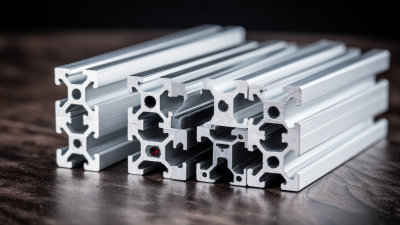
And don’t forget, there are tons of manufacturers selling Aluminum U Profiles, but quality isn’t always their main focus. Sometimes, the cheapest option isn’t the smartest choice — good value doesn’t always mean lowest price. It’s smart to check the specs carefully so you get a profile that actually does its job well, like the 2020 Aluminum Extrusion Profile. Paying attention to these little details can really save you headaches later on, and help you make smarter decisions for your projects.
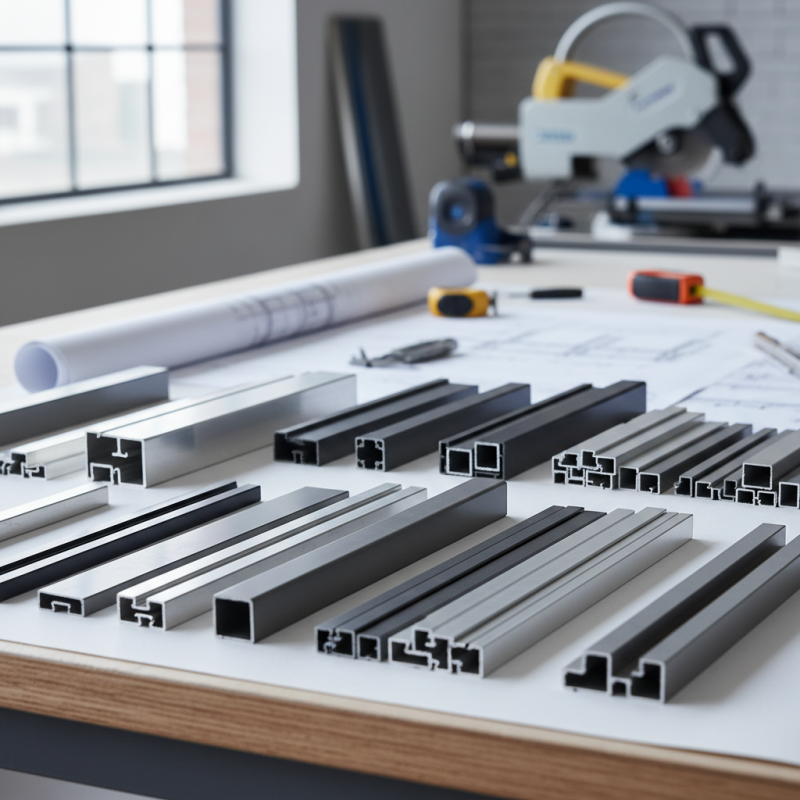
Understanding Aluminum U Profiles: Definition and Uses
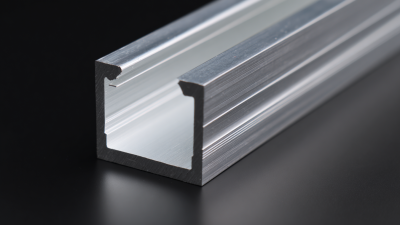
Aluminum U profiles are versatile components widely used in many industries. Their unique shape resembles the letter "U," providing strength and durability. These profiles are often utilized for framing, supports, and structural applications. In construction, they are optimal for window frames and door tracks. Their lightweight nature makes them easy to handle.
In the automotive sector, aluminum U profiles serve as essential parts in vehicle manufacturing. They help reduce overall weight, contributing to better fuel efficiency. Many designers appreciate the clean lines of these profiles. However, it is crucial to consider the thickness and alloy used. Not every U profile meets specific project needs, leading to potential challenges.
Choosing the right aluminum U profile can be complicated. Factors like corrosion resistance and load-bearing capacity are essential. Sometimes, the best option may not be the most visible one. Experimenting with different profiles for projects can yield surprising results, but it may also reveal flaws. Designers often learn from trial and error, forging better solutions along the way.
2026 Best Aluminum U Profile Options for Your Projects
Key Properties of Aluminum U Profiles for Various Applications
Aluminum U profiles are essential in various construction and manufacturing projects. Their lightweight nature makes them easy to handle. They are corrosion-resistant, which ensures longevity. This is crucial for outdoor applications where exposure is inevitable. The profile's shape adds strength while remaining relatively thin, promoting versatility.
While using aluminum U profiles, one must consider their thermal properties. Aluminum conducts heat well, which can be a downside in certain applications. For instance, when used in heat-sensitive environments, special coatings may be necessary. Additionally, the choice of alloy can impact the profile's strength and elasticity. Not all profiles will suit specific needs.
Furthermore, proper installation is key. Misalignment can lead to structural issues. Using the wrong fasteners can compromise stability. There is no one-size-fits-all solution; attention to detail is vital in every project. Ultimately, understanding the unique properties of aluminum U profiles can lead to more effective and efficient project outcomes.
Top 2026 Trends in Aluminum U Profile Design and Manufacturing
In 2026, the trends in Aluminum U Profile design focus on sustainability and performance. A recent industry report indicates a 15% increase in demand for energy-efficient profiles. This is driven by growing environmental awareness. Manufacturers are exploring recycled aluminum materials. This shift helps reduce energy consumption in production processes.
Engineers are also prioritizing innovative designs. Enhanced structural integrity and lightweight options are in demand. New techniques in Aluminum Alloy Extrusion Profile are being developed. These advancements enable finer tolerances and surface finishes. However, the industry faces challenges. Not all manufacturers can keep pace with evolving technology. Many still rely on outdated methods, leading to inefficiencies.
Collaboration among stakeholders is crucial. Designers and manufacturers must work closely to refine profiles. There is a gap in understanding market requirements. Research shows that less than 30% of new designs meet current standards. This raises concerns about future competitiveness. Continuous improvement and investment in technology are essential for success.
Comparative Analysis of Popular Aluminum U Profile Materials
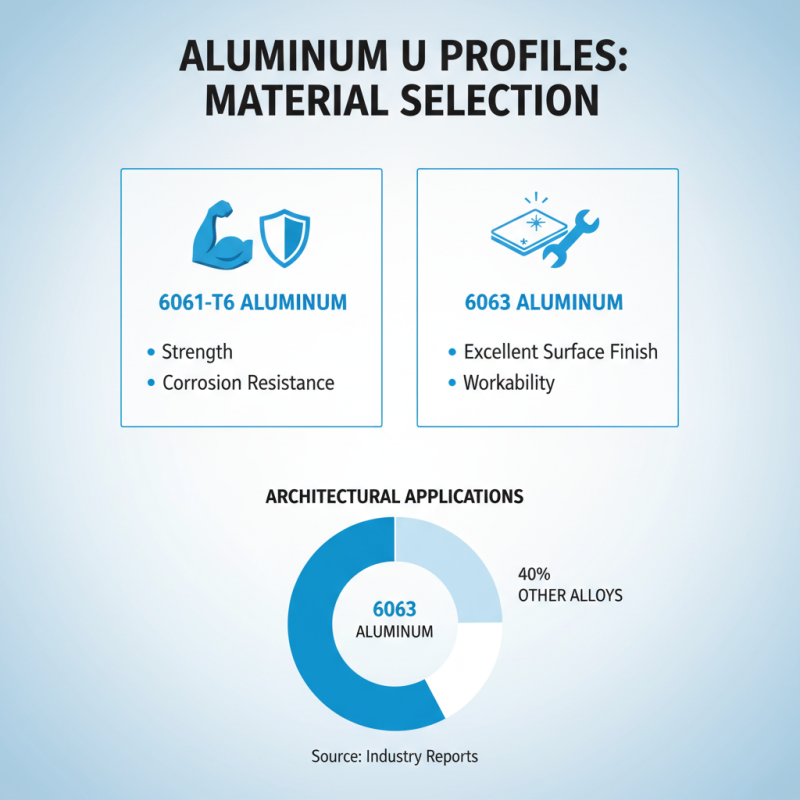
When choosing aluminum U profiles, material selection plays a vital role. The market offers various aluminum alloys, each with distinct properties. For instance, 6061-T6 aluminum is well-known for its strength and corrosion resistance. In contrast, 6063 is often favored for its excellent surface finish and workability. Industry reports indicate that 6063 accounts for over 60% of Aluminum Extrusion usage in architectural applications.
Understanding the intended use is crucial. Many projects require lightweight options, where 6060 alloys excel. These profiles are easier to handle and install. However, for structural applications, the heavier 6082 alloy might be necessary. A recent study revealed that nearly 40% of engineers face challenges with material performance under stress. They often seek profiles that balance weight and strength.
Additionally, the surface treatment can significantly affect performance. Anodizing improves corrosion resistance but can increase costs. Reports show that about 30% of projects overlook this aspect, leading to premature failures. If you invest in high-quality Aluminum Profile Extrusion Frame options, you'll likely avoid these pitfalls and achieve lasting durability. Understanding these materials will guide you toward making confident decisions in your projects.
How to Choose the Right Aluminum U Profile for Your Project
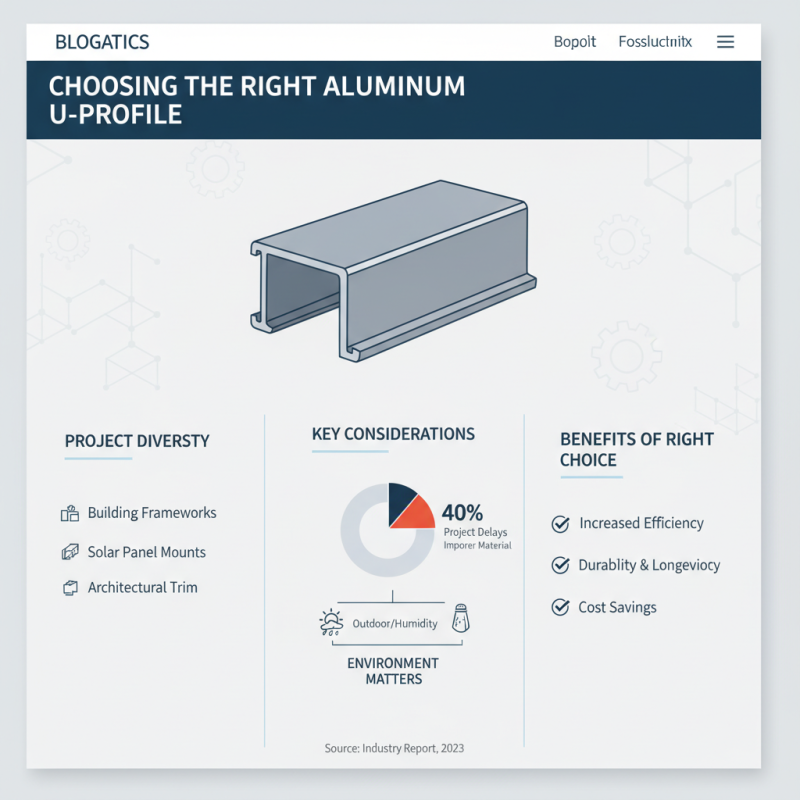
Choosing the right aluminum U profile can be challenging. Various projects require different specifications. Understanding these needs is crucial for efficiency. According to a recent industry report, nearly 40% of construction projects face delays due to improper material selection. Consider the project's environment. Will it be outdoor or indoor? Salt exposure or humidity can significantly affect Aluminum Profiles.
Also, weight plays a key role. Lighter profiles, like the Aluminum T Profile, may be beneficial in certain applications. But they are not always the best choice. Sometimes, heavier profiles offer better stability in structural applications. Look carefully at load-bearing requirements. A mismatch here can lead to failures that cost time and money.
Beyond specifications, think about the finish of your aluminum profile. Anodized finishes resist corrosion but may be pricier. Sometimes, a simple mill finish will suffice. The choice is about balancing cost and performance. Analyze long-term needs too. Trends show projects favor sustainability. Profiles that are easy to recycle could become more valuable over time. Consider these elements thoughtfully to select the best aluminum U profile for your project.
Installation Guidelines for Aluminum U Profiles: Best Practices
When working with Aluminum U Profiles, installation requires careful consideration. Start by ensuring your surface is clean and level. Any debris can affect the profile's alignment. Measure twice before cutting to prevent mistakes. Mismeasurements are common and can lead to wasted material.
Use screws or brackets for secure attachment. Pre-drilling holes can help prevent cracking or bending. Be mindful of the profile's orientation. Small errors at this stage can amplify later. After installation, check for any gaps. A tight fit is crucial for durability.
Don’t overlook the finishing touches. Sealant can protect against moisture. However, applying too much can create a mess. Regular checks post-installation can catch issues early. Some imperfections might be visible, and that’s okay. Learning from these experiences improves future projects with Aluminum U Profiles.
Cost Considerations and Budgeting for Aluminum U Profile Projects
When planning your aluminum U profile projects, budgeting is essential. Costs can quickly add up, affecting your overall project finances. Research prices for various U profile options. Prices can vary based on thickness and length. It’s important to get multiple quotes to ensure you're making a cost-effective choice.
Consider hidden costs as well. These might include shipping fees and installation labor. If you're on a tight budget, think creatively about how to minimize waste. This can significantly lower costs. Look for alternative designs that use less material but meet your needs.
Tips: Always keep a buffer in your budget. Prices can change unexpectedly. Be prepared for fluctuations. Also, track your expenses diligently. Small oversights can lead to major budget overruns. Regularly review your spending to stay on track. Adjustments may be necessary as the project evolves. Reflect on what worked and what didn't in past projects, and apply those lessons to your current budget.
The Benefits and Versatility of Customized Aluminum Alloy Fences for Modern Properties
Customized aluminum alloy fences offer both functionality and aesthetic appeal for modern properties, making them an ideal choice for both residential and commercial applications. These fences are designed to enhance security while also beautifying the landscape, adding a touch of grandeur to any setting. The lightweight nature of aluminum allows for easy installation without compromising on strength, as these fences offer durability comparable to that of wrought iron, yet at a more affordable price point.
One of the most significant benefits of aluminum fencing is its resistance to corrosion and rust. With a protective powder coating, these fences withstand harsh weather conditions, ensuring longevity and low maintenance over time. This feature is particularly beneficial for areas prone to rain or flooding, where traditional fencing materials may suffer damage. Additionally, the versatility of aluminum fencing allows for a wide range of custom designs, ensuring that homeowners and property managers can find the perfect match for their specific needs and tastes. Whether it’s for outlining a backyard, securing a commercial property, or adding decorative elements, customized aluminum alloy fences prove to be an excellent investment for modern properties.
Conclusion
The article "2026 Best Aluminum U Profile Options for Your Projects" offers a comprehensive guide on Aluminum U Profiles, detailing their definition and diverse applications across various industries. It delves into the key properties that make these profiles ideal for structural support, aesthetics, and versatility. Additionally, the piece highlights emerging trends in design and manufacturing for 2026, emphasizing innovations that enhance functionality and sustainability.
It also provides a comparative analysis of different materials used for Aluminum U Profiles, aiding readers in making informed decisions based on specific project requirements. The article includes practical advice on selecting the right profile, installation best practices, and cost considerations to effectively budget for projects utilizing Aluminum U Profiles. This resource is essential for anyone looking to leverage the advantages of Aluminum U Profiles in their upcoming projects.





 wechat