Picking the right Aluminum Extrusion for your project isn’t just a minor detail — it’s actually a pretty big deal. It can really make or break how well your final product works and how it looks. I mean, just ask John Smith, the CEO of Extrusion Innovations and someone who's been around the block in the industry. He once said, “Choosing the right aluminum extrusion really comes down to understanding what your project needs and knowing the ins and outs of the material itself.” That’s a good reminder that it’s not just about reading specs on paper — you’ve gotta think about how these extrusions will perform once you put them to the test in real-world conditions.
With all the different shapes, sizes, finishes, and alloys out there, it can feel totally overwhelming to pick the right one. And honestly, knowing how specific designs impact things like strength, weight, and performance is super important if you want your project to turn out just right. Plus, since the industry is constantly changing with new tech and techniques, staying in the know is more critical than ever. If you take the time to understand the details of aluminum extrusion, you’ll be better equipped to make smart choices — and get the most out of this pretty awesome, versatile material for your projects.
Understanding Aluminum Extrusion: An Overview
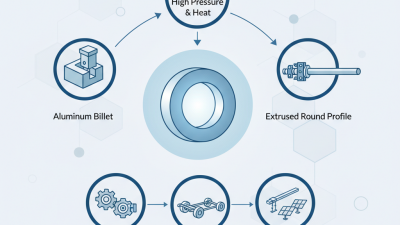
Aluminum extrusion is a manufacturing process that involves shaping aluminum alloy into desired cross-sectional profiles by forcing it through a die. This technique is celebrated for its versatility, allowing for a wide range of applications across various industries, including construction, automotive, and consumer goods. The process begins with heating the aluminum alloy until it becomes pliable, followed by its movement through the die using a hydraulic press. Once extruded, the profiles can undergo further machining or surface treatment, enhancing their mechanical properties and aesthetic appeal.
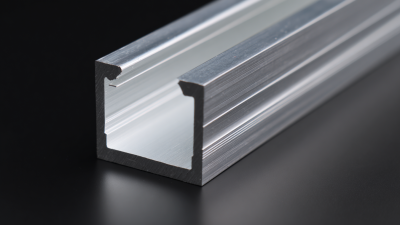
One of the key advantages of aluminum extrusion is its ability to produce complex shapes with precise dimensions, which contributes to material efficiency and minimizes waste. This process also allows for the incorporation of features like grooves and channels, enabling easy assembly and integration with other components. Furthermore, aluminum itself is lightweight, corrosion-resistant, and recyclable, making it an environmentally friendly choice. By understanding these fundamental aspects of aluminum extrusion, individuals and businesses can better identify and select the right profiles for their specific project needs, ensuring optimal performance and durability.
Identifying Project Requirements for Aluminum Extrusion
When considering aluminum extrusion for your project, the first step is to clearly identify your project requirements. This includes understanding the specific dimensions, tolerances, and mechanical properties needed for your application. According to a 2022 report by the Aluminum Association, over 90% of companies utilizing aluminum extrusion found that customization based on precise project specifications significantly improved functionality and reduced material waste. Key factors to consider include the weight, corrosion resistance, and thermal conductivityof the Aluminum Profiles, as these features can greatly affect the performance of the final product.
Tips for success: Engage with your design team early in the process to outline all technical requirements. Incorporating feedback from engineers can provide insights into the choice of alloy and complexity of the design, which might influence the extrusion process selected. Conducting a thorough materials analysis, as recommended in the 2023 Metal Fabrication Trends report, allows for informed decisions that align with both performance goals and budget constraints.
Additionally, consider the extrusion thickness and surface finish, as these can impact the overall aesthetic and durability of your project. According to recent studies, projects that prioritized surface treatments reported a 30% increase in longevity and resistance to environmental factors. Remember, striking the right balance between functionality and aesthetics is crucial in the selection process, ensuring your aluminum profiles not only perform efficiently but also meet visual standards.
Types of Aluminum Alloys Suitable for Extrusion
When selecting the Best Aluminum Extrusion for your project, understanding the types of aluminum alloys suitable for extrusion is crucial. Aluminum alloys are typically categorized into two primary groups: wrought and cast. Among these, the 6000 series alloys, including 6061 and 6063, are among the most commonly used for extrusion purposes due to their excellent corrosion resistance, weldability, and good mechanical properties. According to the Aluminum Association, over 40% of extruded aluminum products are made from the 6061 alloy, which is favored in structural applications where strength is a significant consideration.
In addition to the 6000 series, the 5000 series alloys, such as 5052 and 5083, also offer unique benefits. These alloys are particularly known for their high resistance to seawater corrosion, making them ideal for marine applications. A report published by the International Aluminium Institute indicates that the demand for marine-grade aluminum alloys has surged by over 20% in recent years, further validating their importance in industries focused on durability and performance under harsh conditions. Therefore, understanding the specific properties of each alloy will enable you to select the most suitable aluminum extrusion for your project's needs, ensuring both functionality and longevity.
How to Choose the Best Aluminum Extrusion for Your Project Needs
Aluminum Alloys Suitable for Extrusion
Key Factors to Consider When Selecting Aluminum Profiles
When selecting aluminum profiles for your project, several key factors should be carefully considered to ensure optimal performance and suitability. Firstly, the intended application plays a critical role in determining the right type of aluminum extrusion. Different projects may require varying mechanical properties such as strength, weight, and corrosion resistance. For instance, applications in outdoor environments might necessitate extrusions with enhanced weather-resistant coatings to prolong their lifespan.
Another significant factor is the complexity of the design. The shape and dimensions of the extrusion can greatly affect both manufacturing costs and assembly processes. It’s essential to assess whether standard profiles will suffice or if custom solutions are required to meet specific design criteria. Additionally, consider the production volume; high-volume projects may benefit from standard profiles that are more cost-effective, while custom profiles might be justified for specialized needs.
Lastly, evaluate the surface finish and post-extrusion treatments available for the aluminum profiles. The finish can greatly influence not only the aesthetic appeal but also the performance characteristics such as ease of machining or enhanced durability. Understanding these factors will enable you to select the best aluminum extrusion tailored to your project’s requirements, ensuring efficiency and quality in your final product.
Evaluating Surface Finishes and Treatments for Extrusions
When selecting the best aluminum extrusion for your project, paying attention to surface finishes and treatments is essential. These finishing options not only enhance the aesthetic appeal of the extrusions but also significantly affect their performance and durability. Common finishes include anodizing, powder coating, and painting, each offering unique benefits. Anodizing, for example, increases corrosion resistance and surface hardness, making it an excellent choice for outdoor applications. Powder coating provides a thicker, more durable finish, ideal for adding color and protection against scratching.
Tips: Before deciding on a surface finish, consider the environment in which the aluminum extrusion will be used. If it will be exposed to moisture, humidity, or extreme temperatures, you may want to prioritize finishes that offer superior corrosion resistance. Additionally, think about the desired appearance—some finishes allow for a broader range of color options and textures than others.
Another factor to keep in mind is the maintenance requirements of the chosen finish. Some treatments may require regular upkeep to retain their appearance and protective qualities, while others are more low-maintenance. Assessing your project's long-term goals will help you select a finish that not only meets your aesthetic needs but also aligns with your maintenance capabilities.
Cost Considerations in Aluminum Extrusion Selection
When selecting aluminum extrusions for your project, understanding cost considerations is paramount. The price of aluminum extrusions can fluctuate based on various factors, including material grade, complexity of the shape, and the quantity required. While custom extrusions often come with higher upfront costs, they may provide significant savings in terms of assembly time and overall material efficiency in the long run. Therefore, it is essential to evaluate both the immediate budget and the long-term benefits when making your selection.
Tips: Consider using standardized profiles whenever possible, as these typically come at a lower cost due to their wide availability. Additionally, collaborating closely with suppliers can lead to cost-saving opportunities, such as bulk purchase discounts or suggestions for alternative materials that meet your specifications while remaining within budget.
Another crucial aspect is the finishing processes involved, as coatings or anodizing can add to the overall expense. Determining whether these finishes are necessary based on the project’s applications can help streamline costs. If aesthetics or corrosion resistance are not critical, opting out of extra refinishing might be a viable decision.
Tips: Always ask for detailed quotes that break down all associated costs, so you can make a more informed decision and avoid unexpected expenses during production.
Sourcing and Suppliers: Finding the Right Extrusion Partner
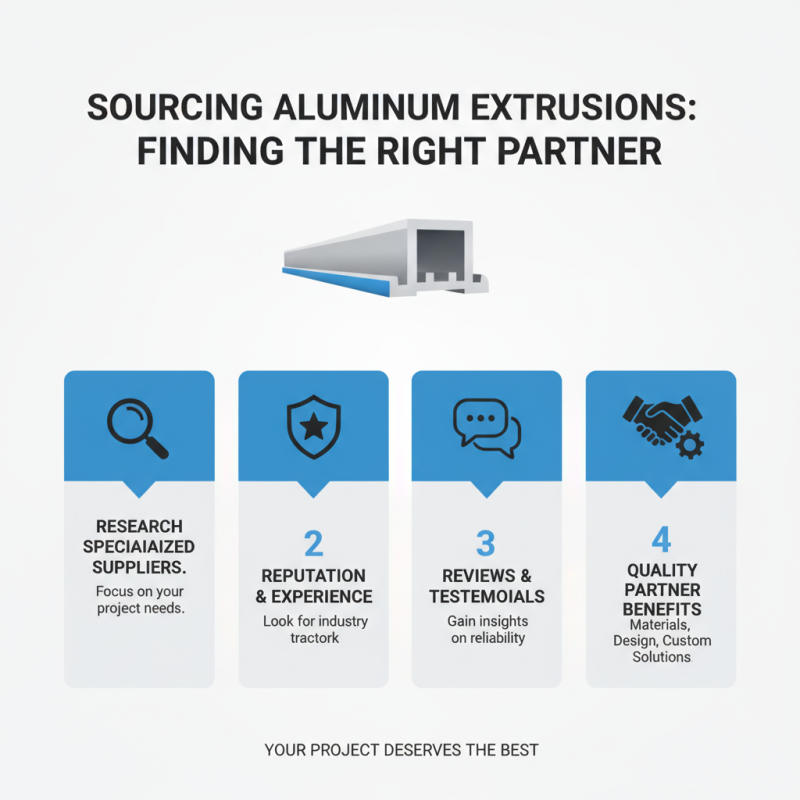
When it comes to sourcing aluminum extrusions for your project, finding the right supplier is crucial. A quality partner will not only provide the necessary materials but also offer expertise in design and custom solutions. Start by researching potential suppliers who specialize in your specific needs. Look for companies that have a good reputation and extensive experience in the industry. Reviews and testimonials can often reveal valuable insights about a supplier's reliability and product quality.
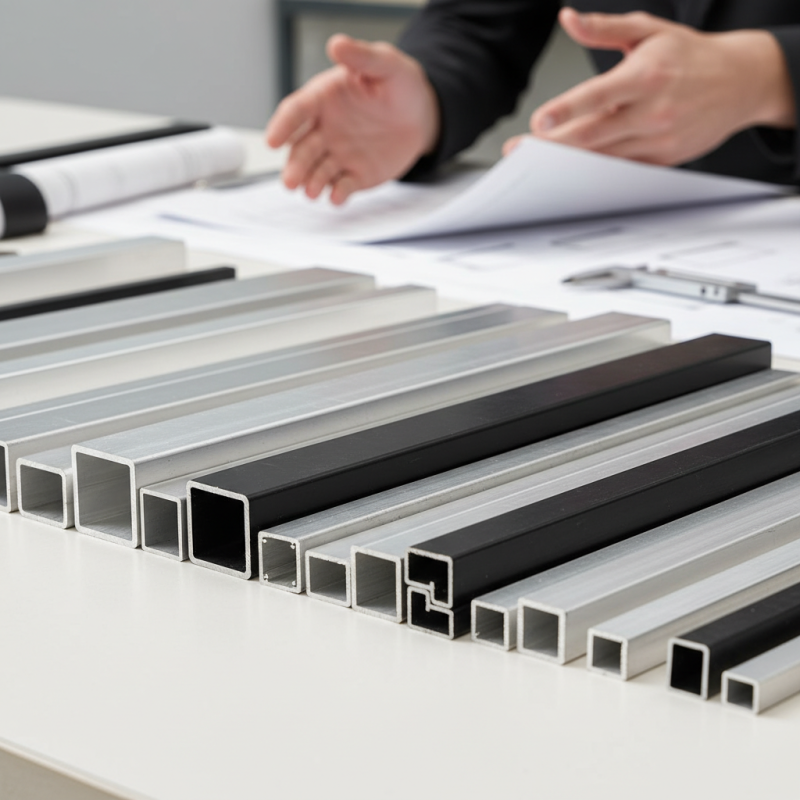
Tips: Consider asking for samples before committing to a large order. This step can help you evaluate the extrusion's quality and confirm if it meets your specifications. Additionally, ensure the supplier can accommodate any customization needs you may have, such as specific shapes or finishes.
Another important factor is the supplier's ability to respond to your inquiries promptly. Effective communication leads to a smoother collaboration and helps in addressing any issues that may arise during production. Evaluate their customer service and support to ensure they can provide assistance throughout the project lifecycle.
Tips: Establish clear communication channels and expectations right from the start. This proactive approach helps to minimize misunderstandings and fosters a more productive partnership. Don't hesitate to reach out to multiple suppliers to compare their offerings and find the best fit for your project's requirements.
FAQS
: The first step is to clearly identify your project requirements, which includes understanding specific dimensions, tolerances, and mechanical properties needed for your application.
Customization based on precise project specifications significantly improves functionality and reduces material waste, as reported by various industry associations.
Key factors include corrosion resistance, weldability, mechanical properties, and the intended application, which can dictate the best type of alloy for the project.
The 6000 series alloys, such as 6061 and 6063, are commonly used due to their excellent properties. Additionally, 5000 series alloys are known for their high resistance to seawater, making them ideal for marine applications.
The complexity of the design can influence manufacturing costs and assembly processes, determining whether standard profiles are adequate or if custom solutions are necessary.
The surface finish can affect both aesthetic appeal and performance characteristics, such as durability and ease of machining, making it an important consideration in the selection process.
Engaging with the design team early allows for a comprehensive outline of technical requirements and incorporates engineers' insights, influencing the choice of alloy and design complexity.
For high-volume projects, standard profiles may be more cost-effective, while custom profiles might be necessary for specialized needs associated with lower volume projects.
Prioritizing surface treatments has been associated with a significant increase in longevity and resistance to environmental factors, enhancing the overall performance of the aluminum profiles.
A thorough materials analysis enables informed decisions that align with performance goals and budget constraints, ensuring the selected extrusion meets the project’s requirements optimally.
Conclusion
The article "How to Choose the Best Aluminum Extrusion for Your Project Needs" presents a comprehensive guide for selecting the right aluminum extrusion based on specific project requirements. It begins with an overview of aluminum extrusion, highlighting its versatility and applications across various industries. The article emphasizes the importance of identifying project requirements, such as dimensions and load-bearing needs, which guide the choice of suitable aluminum alloys.
Key factors to consider in selection include mechanical properties, profile design, and the environment in which the extrusion will be used. Surface finishes and treatments are also crucial, impacting both aesthetics and durability. Additionally, cost considerations play a significant role in the decision-making process. Finally, it discusses the importance of sourcing from reliable suppliers to ensure high-quality aluminum extrusion that meets project specifications effectively.








 wechat