One Stop Solution For Aluminum Profiles
调查
表单加载...
0%

When you're on the hunt for the right Industrial Aluminum Profiles, it's really important to first understand what exactly you need. I mean, lots of industries rely on these profiles for all sorts of things—whether it's giving structural support or custom manufacturing projects, Aluminum Profiles are pretty much everywhere, and their uses are pretty diverse.

Honestly, picking the perfect one can feel kinda overwhelming. There are different profiles out there, each with its own features suited for specific jobs. So, it’s a good idea to really analyze what your project requires—things like weight capacity, resistance to corrosion, and how well it conducts heat. These little details can make a big difference in how smoothly your project turns out.

Oh, and don’t forget—not all suppliers are created equal. Doing a bit of research on reputable manufacturers is super important. Look for those with a solid track record of quality and dependability. Talking to industry folks or experts can really help point you in the right direction. Sometimes, making these choices uncovers gaps in what you know or brings up unexpected challenges. Being willing to learn along the way can totally lead to better results for your project—so stay open-minded and don’t be afraid to ask questions!”
How to Choose the Best Industrial Aluminum Profiles for Your Needs?

Understanding Industrial Aluminum Profiles: An Overview

IndustriaL Aluminum Profiles are essential in many applications. They provide structural support, framing, and versatility in manufacturing processes. Understanding these profiles is vital for optimizing their use in various projects.

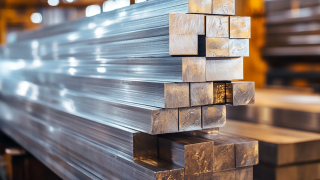
When selecting profiles, consider their shape, size, and intended use. Different industries may require specific types, such as extrusion shapes or standard bars. China Industrial Aluminum Profiles often offer a wide range of choices, catering to diverse needs. Thickness and finish also play a significant role in performance and aesthetics.

Often, users overlook the importance of material quality. While aluminum is lightweight, not all profiles are created equal. Some may lack strength or durability. It’s crucial to consult with experts who understand the nuances of industrial aluminum. Seek guidance from professionals who can help you navigate the complexities. This ensures that your project succeeds without unexpected challenges.

How to Choose the Best Industrial Aluminum Profiles for Your Needs?

Profile Type Dimensions (mm) Weight (kg/m) Strength (MPa) Application
Standard Rectangular 40 x 20 1.4 200 General Structures
T-Slot Profile 45 x 45 1.8 210 Frame Building
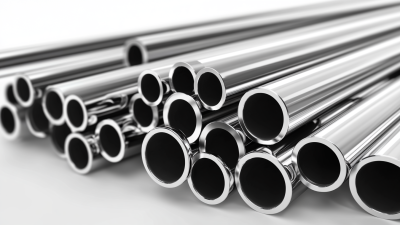
Round Tube 30 (Diameter) 1.2 180 Piping Systems
Angle Profile 50 x 50 2.0 220 Structural Support
Channel Profile 75 x 40 2.5 200 Constructions

Key Factors to Consider When Choosing Aluminum Profiles

When selecting the Best Industrial Aluminum Profiles, several key factors come into play. Start with the profile's intended application. Different industries have unique requirements. For instance, structural integrity is crucial for construction, while lightweight designs suit packaging. Assessing the specific needs will guide your selection process.


Material properties are essential for durability and performance. Look for aluminum alloys that offer high strength-to-weight ratios. Consider corrosion resistance as well; some environments demand additional protection. A profile that handles environmental stress will provide longevity.


Another often-overlooked aspect is the manufacturing process. Profiles can be extruded, rolled, or formed. Each method influences the profile's characteristics. Understanding these differences can lead to better choices. Ask about tolerances and quality standards. Certificates of compliance might also reflect reliability. While many options are available, it’s vital to align the specifications with your project goals to find the best industrial aluminum profiles.

Analyzing the Strength-to-Weight Ratio of Aluminum Alloys

How to Choose the Best Industrial Aluminum Profiles for Your Needs?

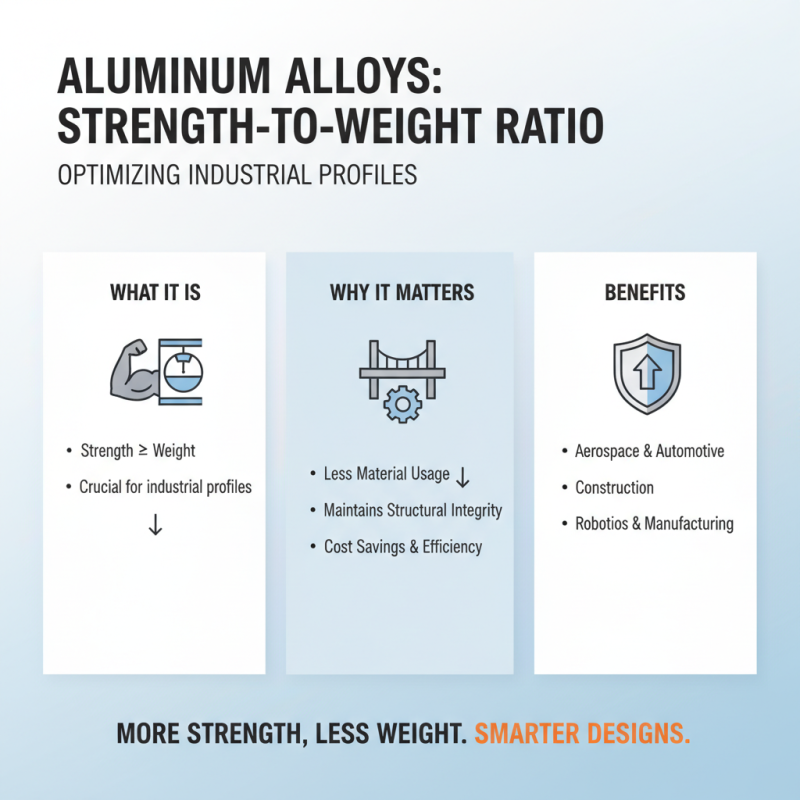
When selecting industrial aluminum profiles, the strength-to-weight ratio of aluminum alloys plays a crucial role. This ratio indicates how strong an aluminum alloy is relative to its weight. High strength-to-weight ratios can lead to less material usage while maintaining structural integrity. This can translate into cost savings and improved efficiency in various applications.

Not all aluminum alloys are created equal. Some may offer excellent tensile strength but are heavier. Others might be lightweight but lack the durability needed for industrial applications. It's essential to analyze the specific demands of your project. For instance, lightweight profiles may be critical in transportation, where weight impacts fuel efficiency. Conversely, heavy-duty applications may require a sturdier profile.

Assessing the strength-to-weight ratio can also reveal potential pitfalls. An alloy that appears efficient may not perform well under extreme conditions. Understanding the balance between weight and strength is key to making informed choices. Explore different alloy specifications and consult industry resources for guidance. Testing materials before finalizing a decision can also be beneficial. This practical approach helps ensure that the selected profiles align with both performance needs and project goals.

Common Applications and Industry Standards for Aluminum Profiles

Industrial aluminum profiles are widely used in various sectors. Their versatility makes them a popular choice. These profiles are common in construction, automotive, and aerospace industries. Other fields also utilize them for frames, supports, and structures.

When selecting aluminum profiles, it's essential to consider the specific applications. For example, if you're building a framework for a machine, precision and strength are crucial. Standards play a significant role in ensuring quality. Profiles must meet stringent industry specifications. High-strength alloys may be necessary for demanding environments.

Often, users overlook the importance of surface treatment. Anodizing can enhance corrosion resistance. Yet, not every application requires it. Some users might choose untreated profiles for cost-saving reasons. These decisions can affect the final outcome. An experienced Industrial Aluminum Profiles Supplier can guide you in making the right choices. Always evaluate your needs carefully before purchasing.

Evaluating Cost-Effectiveness and Supplier Reliability

When choosing industrial aluminum profiles, supplier reliability is paramount. A reliable supplier ensures consistent quality and on-time delivery. Gauging their reliability can involve checking reviews, certifications, and industry experience. Ask about their production processes and quality control measures. This knowledge empowers informed decisions.

Evaluating cost-effectiveness is equally crucial. Low prices can be tempting, but they often come with hidden costs, such as inferior materials or poor service. Compare multiple suppliers. Look for a balance of price and quality. Always consider the total cost of ownership, which includes maintenance and lifespan.

Engaging with suppliers directly can also reveal their approach to customer service. Are they responsive? Do they help with technical inquiries? These aspects contribute to a solid working relationship. Reflect on what matters most in your project. Prioritize long-term partnerships over short-term savings.

The Role of Surface Treatments in Enhancing Aluminum Profiles

Surface treatments play a crucial role in enhancing aluminum profiles, especially for industrial uses. Various treatments can improve durability, corrosion resistance, and aesthetic appeal. Coatings and anodizing are common methods. These processes create a protective layer on the aluminum surface. This layer can resist weathering and wear, extending the profile's lifespan.

Anodizing transforms the aluminum surface into a decorative and protective oxide layer. It’s not only visually appealing but also functional. For some applications, a textured finish is beneficial. This texture can enhance grip or improve adhesion for further coatings.

When selecting profiles, consider your specific needs. Will your profiles be exposed to harsh environments? Will they carry heavy loads? An experienced Industrial Aluminum Profiles Manufacturer can guide you through the selection process. It’s important to weigh the benefits of different surface treatments against the overall project goals. Every project is unique and may require different solutions.

How to Choose the Best Industrial Aluminum Profiles for Your Needs?

Sustainability and Recyclability in Aluminum Profile Production

How to Choose the Best Industrial Aluminum Profiles for Your Needs?

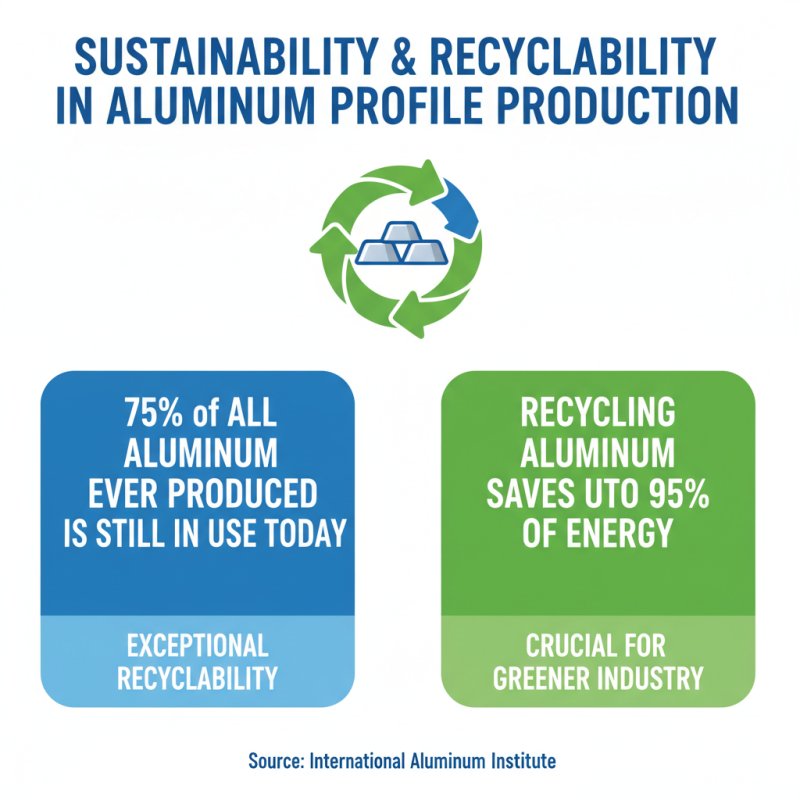
Sustainability is critical in aluminum profile production. According to a report by the International Aluminum Institute, 75% of aluminum ever produced is still in use today. This highlights aluminum's exceptional recyclability. Used aluminum can be recycled with minimal energy. In fact, recycling aluminum saves up to 95% of the energy needed for primary production. This efficiency is vital for industries aiming for greener operations.

Additionally, many aluminum profiles are now designed with sustainability in mind. Manufacturers increasingly focus on sourcing bauxite sustainably. They also ensure that production processes reduce waste and emissions. The European Aluminium Association claims that using recycled aluminum can significantly lower the carbon footprint. However, challenges remain. Not all production plants have the same level of sustainability practices.

Innovations in the aluminum industry are also noteworthy. Some companies explore alternative energy sources. They aim to power their plants with renewable energy. This shift can further decrease environmental impact. Yet, many businesses still lag in adopting these practices. Continuous improvement is necessary for true sustainability in aluminum profile production.

FAQS

: What should I consider when choosing aluminum profiles?

: Consider the profile's intended application, material properties, and manufacturing process. Each factor impacts the selection.

Why are material properties important?

Material properties determine durability and performance. Look for high strength-to-weight ratios and corrosion resistance.

How does the manufacturing process affect aluminum profiles?

Different manufacturing methods, like extrusion and rolling, influence the profiles' characteristics and quality. Understand these differences.

What role do surface treatments play in aluminum profiles?

Surface treatments enhance durability, corrosion resistance, and aesthetics. They protect the aluminum surface and increase lifespan.

Why is sustainability important in aluminum production?

Sustainability reduces environmental impact. Aluminum is highly recyclable, and recycling saves significant energy compared to primary production.

How is the aluminum industry addressing sustainability challenges?

Many manufacturers focus on sustainable sourcing and reducing waste. However, practices vary significantly across production plants.

Can aluminum profiles be designed for harsh environments?

Yes, treatments like anodizing can make profiles more resistant to harsh conditions. Assess your specific environmental needs carefully.

What innovations are being explored in aluminum production?

Some companies are researching renewable energy sources to power production. These innovations aim to further reduce environmental impacts.

Are all aluminum profiles equally sustainable?

No, sustainability practices differ among manufacturers. Some prioritize greener methods while others might lag in the adoption.

How do surface treatments affect grip or adhesion?

Textured finishes enhance grip and adhesion for coatings. Choose treatments based on the specific needs of your project.

Conclusion

When choosing the best industrial aluminum profiles for specific needs, it is crucial to understand the fundamental characteristics of these profiles, including their strength-to-weight ratio and common applications across various industries. Key considerations such as the intended use, industry standards, and the cost-effectiveness of available options should guide the decision-making process.

Additionally, evaluating the reliability of suppliers and the role of surface treatments in enhancing the performance and durability of aluminum profiles is essential. As sustainability and recyclability become increasingly important in manufacturing, selecting profiles that comply with these environmental practices can also influence both short-term and long-term outcomes. Overall, a comprehensive understanding of industrial aluminum profiles aids in making informed choices that align with both performance requirements and environmental considerations.
Daniel

Daniel

Daniel is a dedicated marketing professional at Foshan Haixuan Metal Co., Ltd., where he leverages his expertise to enhance the company's online presence and engage with clients effectively. With a profound understanding of the metal industry, Daniel plays a pivotal role in promoting the company's......
Previous Best China Aluminum Window Profile Factory Guide for Quality and Selection?