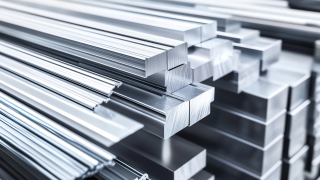
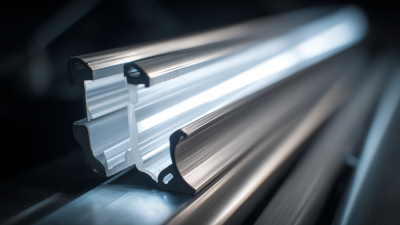
Picking out the right Aluminum Alloy Profiles can actually be a bit tricky sometimes. I mean, like John Smith from Aluminum Solutions Inc. once pointed out, "Choosing the right alloy is pretty much essential for how well it performs." That really drives home the point — you need to understand what exactly you’re looking for.
Aluminum Alloy Profiles are super common in construction, cars, and aerospace stuff, but here’s the thing — each of these uses has its own specific needs. Not all alloys are built the same either. Some are super strong, while others are lighter or more resistant to rust. It’s all about matching the profile to your project.
Thinking about how you’re gonna use these profiles really helps. Looking back at past projects might show you where some choices didn’t work out so great. It’s a good idea to learn from those experiences, so you don’t make the same mistake twice. Take some time to look into different Aluminum Profiles and talk with industry pros if you can. It might take a little extra effort, but trust me — it pays off with a better final product and happier results.

Understanding the Basics of Aluminum Alloys
When it comes to aluminum alloys, understanding the basics is essential. Aluminum alloys are classified mainly into two categories: wrought and cast. Wrought alloys are shaped through mechanical processes. They are versatile and can be found in many applications. Cast alloys, on the other hand, are made by pouring molten aluminum into a mold. Both types have their unique properties and uses.
Aluminum alloys are defined by a four-digit number system. The first digit indicates the principal alloying element. For example, the 1xxx series is pure aluminum. The 2xxx series incorporates copper as the main element. Each type comes with strengths and weaknesses. Some are more corrosion-resistant while others are stronger. It’s important to consider these attributes when selecting the right alloy.
Choosing an alloy requires careful thought. Different projects will demand distinct properties. A lightweight alloy may be critical for aerospace applications but not for construction. It's also essential to reflect on how the alloy will behave under specific conditions, such as temperatures or exposure to chemicals. Making an informed decision will ensure the right match for your needs.
Understanding Aluminum Alloys: Tensile Strength Comparison
This chart illustrates the tensile strength of various aluminum alloys. Selecting the right alloy for your project requires understanding their properties, such as tensile strength, which is critical for determining their suitability for different applications.
Key Properties to Consider When Choosing Aluminum Alloys
When selecting aluminum alloy profiles, several key properties significantly influence your decision. Strength and weight are critical factors. Aluminum alloys are available in various grades, each providing different mechanical properties. For instance, 6061 aluminum alloy, known for its excellent strength-to-weight ratio, is often preferred in construction. Conversely, if corrosion resistance is paramount, 5052 alloy might be more suitable, particularly in marine environments.
Consider the intended application of the aluminum profile. The manufacturing process can also impact properties. Reports indicate that extruded profiles typically exhibit better surface integrity compared to rolled sheets. The thickness of the profile can influence its durability and performance in specific applications.
Tips: Always review the load-bearing requirements of your project. Testing a small batch of your chosen alloy can reveal potential flaws before large-scale production. Engaging with industry experts or utilizing resources like the China Aluminum Alloy Profiles industry reports can enhance your understanding and ensure a successful selection process. Remember, the right alloy for one project may not suit another, so customize your choice based on specific needs.
Common Applications of Different Aluminum Alloy Profiles
Aluminum alloy profiles play a crucial role in various industries due to their unique properties. Each alloy has its specific applications depending on its composition and processing. For instance, the 6000 series alloys, known for their excellent corrosion resistance, are ideal for architectural applications. They provide the necessary strength while allowing for intricate designs. According to a 2023 industry report, 60% of architectural firms prefer these alloys for facades and structural components.
Another common application involves the 7000 series, which is primarily used in aerospace and sporting equipment. This series offers the best strength-to-weight ratio, making it essential for applications where weight savings are critical. However, they can be challenging to work with due to their reduced corrosion resistance. The choice of alloy really depends on the specific requirements of the project. While the 6000 series may seem practical for general use, the 7000 series excels in high-performance situations.
It's important to weigh the benefits and drawbacks of different aluminum alloy profiles. Factors such as mechanical properties, ease of fabrication, and cost should all be considered. A recent survey indicated that 40% of manufacturers felt uncertain about selecting the Best Aluminum Alloy Profiles for their needs. This uncertainty can lead to suboptimal choices and project delays. A thorough understanding of each alloy’s characteristics ensures better decision-making in the long run.
How to Choose the Right Aluminum Alloy Profiles for Your Needs? - Common Applications of Different Aluminum Alloy Profiles
| Aluminum Alloy | Common Applications | Properties | Advantages |
| 6061 | Structural applications, automotive parts, marine components | Good corrosion resistance, medium to high strength | Easy to machine, weldable, and anodizable |
| 7075 | Aerospace components, high-stress parts | High strength, lower corrosion resistance | Excellent fatigue resistance and strength-to-weight ratio |
| 2024 | Aerospace applications, military vehicles | High strength, not very corrosion resistant | Great machinability, thermal resistance |
| 3003 | Chemical equipment, cooking utensils, storage tanks | Good corrosion resistance, moderate strength | Highly workable, excellent weldability |
| 5083 | Shipbuilding, pressure vessels, cryogenic applications | Very good corrosion resistance, high strength | Good weldability, exceptional performance in saltwater |
Factors Influencing the Selection of Aluminum Alloy Profiles
Selecting the right aluminum alloy profile involves several key factors. Understanding the specific requirements of your project is crucial. Different applications demand unique properties, such as strength, weight, and corrosion resistance. Industry reports indicate that more than 80% of structural applications prefer 6061 and 6063 aluminum alloys due to their excellent mechanical properties.
Mechanical properties are not the only consideration. Environmental exposure plays a vital role. For example, marine constructions require highly corrosion-resistant profiles like 5083 or 5086 alloys. According to a recent study, corrosion can reduce the lifespan of aluminum structures by up to 50% if inadequate alloys are chosen.
Furthermore, fabrication processes can influence your choice. Some profiles need advanced welding techniques. Knowledge about the welding characteristics of various alloys can guide decisions. For example, 6082 alloy exhibits good weldability, making it suitable for complex assemblies. Ensuring compatibility between the alloy and the required fabrication method is essential for ensuring the project's success.
Comparative Analysis of Popular Aluminum Alloy Grades
When choosing aluminum alloy profiles, understanding the grades available is critical. Each grade has unique properties that determine its suitability for specific applications. For instance, 6061 is known for its good mechanical properties and weldability, making it ideal for structural applications. In contrast, 7075 offers higher strength but is less workable, which can be limiting for certain projects.
Tips for selecting profiles: Consider the environment. Some alloys resist corrosion better than others. If you’re working in marine conditions, choose a seawater-resistant alloy like 5083. Also, look at the heat treatment for improved strength. Alloys such as 2024 provide excellent strength but require careful handling during machining.
Factor in the intended use of the profile. A lightweight but strong profile might be necessary for aerospace applications, while a more durable option may be better for automotive parts. Ultimately, identifying the right balance between weight, strength, and corrosion resistance is essential. Reflecting on the specific needs of your project will guide you in making the appropriate choice.
Tips for Identifying Quality Aluminum Profiles for Specific Uses
When selecting aluminum profiles, understanding quality is critical. High-quality aluminum alloy profiles are essential for durability and performance in various applications. Look for profiles with verified certifications, such as ISO 9001, indicating a commitment to quality management. According to industry reports, nearly 70% of aluminum failures arise from poor-quality materials or manufacturing processes.
It's also vital to assess the alloy composition. Different alloys offer varying strength, corrosion resistance, and malleability. For instance, the 6000 series is favored for structural applications due to its strength and versatility. In contrast, the 5000 series is known for its excellent corrosion resistance, making it ideal for marine environments. Engaging an experienced Aluminum Alloy Profiles Supplier can provide valuable insights about which alloy suits your specific needs best.
Don't overlook the importance of surface treatment. Anodizing or powder coating can enhance aesthetic appeal and protect against environmental wear. Quality treatments can double the life of aluminum profiles. However, ensure the treatment aligns with your application requirements. Managing expectations based on specific use cases can lead to better long-term performance and satisfaction.
Sustainability and Recycling of Aluminum Alloys in Construction
Sustainability is a critical aspect of modern construction. Aluminum alloys stand out for their recyclability. Nearly 75% of all aluminum ever produced is still in use. This property makes aluminum an eco-friendly choice for builders and developers. When deciding on aluminum alloy profiles, consider not just strength and weight, but also their environmental impact.
Many manufacturers prioritize sustainability. An Aluminum Alloy Profiles Manufacturer can offer materials that are recycled and reused without losing quality. However, not all alloys are created equal. Some may have more sustainable sourcing than others. Researching the lifecycle of the product is vital. From extraction to end-of-life, understanding the environmental footprint can guide better choices.
Construction projects often overlook the recycling potential of materials. Specifying alloys with good recycling rates can significantly reduce waste. It is important to ask how materials will be disposed of or recycled after their lifespan. Thoughtful selection of aluminum alloys can lead to a more sustainable future. This approach is not just a trend; it is essential for responsible building practices.
Emerging Trends in Aluminum Tubing: An In-depth Analysis of 6061, 6063, and 6082 Anodized Seamless Pipes in Industry Applications
The aluminum tubing industry continues to evolve, with a notable focus on the utilization of anodized seamless pipes made from alloys such as 6061, 6063, and 6082. These materials have become increasingly popular due to their impressive strength-to-weight ratios, excellent corrosion resistance, and versatile applications across various sectors, including construction, automotive, and aerospace. In particular, the anodizing process enhances the surface properties of these alloys, making them more durable and aesthetically appealing, which are essential attributes in competitive industrial environments.
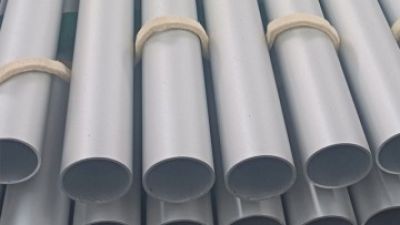
When it comes to the specific shapes and forms of aluminum tubing, customization plays a pivotal role. Industries often require specialized solutions that cater to unique design specifications. Our offerings are extensive, including custom square tubes, rectangular tubes, round pipes, oval tubes, triangle tubes, trapezoidal tubes, semicircular tubes, and other specially designed profiles. This level of customization ensures that each application is supported by the most suitable tubing solution, thereby maximizing efficiency and performance in the final product. As industries adapt to changing demands, the flexibility of aluminum tubing shapes proves indispensable for innovation and reliability.
FAQS
: Aluminum alloys are classified as wrought or cast. Wrought alloys are shaped mechanically, while cast alloys are made by molding.
Each aluminum alloy has a four-digit number system. The first digit shows the main alloying element, such as pure aluminum or copper.
The right alloy depends on project requirements. Lightweight alloys may be needed for aerospace, while construction may prioritize strength.
Key factors are strength, weight, corrosion resistance, and the intended application. Each alloy has unique mechanical properties.
The manufacturing process impacts properties. For example, extruded profiles often have better surface quality than rolled sheets.
The 6000 series is widely used in architecture due to its corrosion resistance and strength. It's ideal for intricate designs.
The 7000 series is used in aerospace for its strength-to-weight ratio. However, their corrosion resistance can be a drawback.
Testing small batches can reveal flaws early. Consulting industry experts can also help make informed decisions.
Many manufacturers feel uncertain about choosing the right aluminum alloy, which can impact project timelines and effectiveness.
Conclusion
Choosing the right aluminum alloy profiles for specific needs involves understanding the basics of aluminum alloys, including their key properties such as strength, corrosion resistance, and weight. It is essential to consider common applications for various profiles, such as construction, automotive, and aerospace, as well as factors that influence selection, like environmental conditions and load requirements.
A comparative analysis of popular aluminum alloy grades can help in making informed decisions. Additionally, recognizing quality aluminum profiles tailored for specific uses ensures optimal performance. Finally, sustainability plays a vital role in today's construction methods, highlighting the importance of recycling aluminum alloys to minimize environmental impact. This comprehensive approach allows for the effective selection and utilization of aluminum alloy profiles to meet diverse project demands.






 wechat