Picking the right Furniture Aluminum Profilescan really make a difference when it comes to boosting both the look and durability of your furniture. Experts in the industry are actually predicting a steady increase in demand for Aluminum Profiles in furniture, expecting about a 7.5% growth each year over the next five years. A lot of that comes down to folks wanting lightweight, customizable solutions — it's a trend that's definitely picking up speed.
Just take it from John Smith, he's a top guy over at the Aluminum Association, who says, “Using the right Furniture Aluminum Profiles not only boosts your design but also makes sure your furniture lasts longer.” That pretty much highlights how important it is to pick profiles that tick both functional and creative boxes. Still, a lot of people overlook some key details about what their projects really need. Things like strength, finish, or how well they work with other materials — those are pretty important.
And here's another thing: not all profiles out there are created equal. Some suppliers stick to high standards, while others might cut corners, which can lead to issues down the line. Shopping from trusted brands like Aluform or Profile Designers can really help avoid those headaches. By focusing on quality and making sure the profiles suit your specific needs, you’re more likely to end up with furniture that looks great and functions smoothly. It’s all about being smart with your choices—kind of like picking the right tools for the job.
Understanding Furniture Aluminum Profiles and Their Benefits
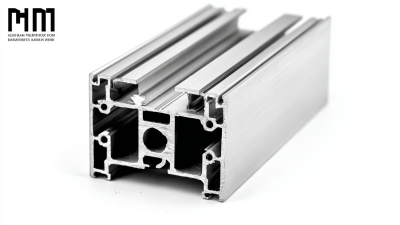
Furniture aluminum profiles have gained popularity due to their lightweight and durable nature. They offer a modern aesthetic that complements various interior designs. Additionally, these profiles are resistant to corrosion and wear, making them suitable for different environments. The adaptability of China Furniture Aluminum Profiles allows for versatile applications in both residential and commercial settings.
When selecting the right profiles, consider their structural strength. Some may not support heavy furniture adequately. However, they can enhance the stability of lighter designs. It's essential to assess the specific needs of your furniture projects. For instance, profiles used for shelving systems require a different thickness than those for frames. Always check the load capacity to avoid future disappointments.
Moreover, aesthetics should not be overlooked. The finish of aluminum profiles varies widely. A matte black finish might suit a minimalist approach, while a polished silver adds sophistication. Personal preference plays a big role. You might feel drawn to certain textures or colors. This choice can significantly impact the overall vibe of your space. In the end, reflect on how China Furniture Aluminum Profiles can meet your functional and design needs.
Types of Aluminum Profiles Suitable for Furniture Applications
When selecting aluminum profiles for furniture applications, it's vital to understand the various types available. Two common types are T-slot and U-shaped profiles. T-slot profiles are versatile. They allow for easy assembly and disassembly, making them ideal for modular furniture designs. U-shaped profiles provide excellent support, especially in shelving units. According to a survey by the International Aluminium Institute, the global aluminum market is expected to grow annually by 4% over the next five years. This indicates a rising demand for efficient and durable materials in furniture manufacturing.
Another significant consideration is the finish of the profiles. Options such as anodized or powder-coated finishes enhance corrosion resistance. Research from the Aluminium Association suggests that aluminum finishes can increase the lifespan of furniture by nearly 50%. This not only reflects its durability but also allows for creative design choices. However, potential downsides include the light weight of aluminum. While this can make transport easier, it may lead to concerns about stability in certain applications.
Identifying the Best Furniture Aluminum Profiles requires a balance of aesthetics, functionality, and cost. It's essential to evaluate how the profiles align with your specific design vision and intended use. Not every profile will suit every project, and trial and error may be necessary to find the perfect match. In a market increasingly leaning towards sustainability, considering the recyclability of aluminum profiles is also critical to making an informed choice.
Key Factors to Consider When Choosing Aluminum Profiles
Selecting the right aluminum profiles for furniture involves several key factors. The strength and durability of aluminum are paramount, particularly for pieces that see daily use. According to industry reports, aluminum can resist corrosion and maintain structural integrity for decades, making it a popular choice for both indoor and outdoor furniture applications.
Another critical factor is the weight-to-strength ratio of the aluminum profiles. Lighter profiles allow for easier mobility, while still providing the necessary support. Many industry experts recommend choosing profiles that have undergone anodization; this not only enhances the aesthetics but also boosts hardness. Furthermore, the surface finish can impact maintenance. Smooth finishes tend to trap less dirt and are easier to clean.
Aesthetics should also not be overlooked. The right aluminum profile can elevate the overall design of your furniture. A professional Furniture Aluminum Profiles Supplier can provide a variety of shapes, sizes, and finishes to cater to different design needs. Clarity in specifications is important. Overlooking details like dimensions and load-bearing capacity could lead to unsatisfactory results, compromising both function and style.
Evaluating Quality and Durability of Aluminum Profiles
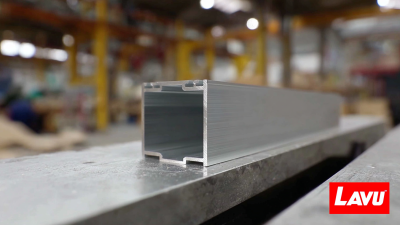
When evaluating the quality and durability of aluminum profiles, it's crucial to consider several factors. The extrusion process plays a significant role in determining strength. Well-made aluminum profiles are extruded uniformly, resulting in fewer defects. Bumps or irregularities can indicate poor craftsmanship. Always assess the surface finish as well; a smooth finish often reflects proper handling and quality control.
Another key aspect is the alloy composition. Certain alloys offer enhanced durability and resistance to corrosion. It's important to understand which type of alloy suits your application needs and environmental conditions. Testing through methods such as hardness tests can provide insights into the material's performance over time. Additionally, verifying certifications and industry standards can lend credibility to the product’s longevity.
Remember, choosing aluminum profiles is not solely about the immediate appearance. Inadequate profiles may lead to costly repairs or replacements later. Reflect on your selection process and consider long-term implications. Ensuring high-quality aluminum profiles involves careful scrutiny and a commitment to making informed decisions.
Aesthetic Considerations for Furniture Aluminum Profiles
When selecting aluminum profiles for furniture, aesthetics play a crucial role. The finishes and colors of aluminum profiles can greatly influence the overall design. According to a report by the Furniture Manufacturing Association, over 70% of consumers prioritize visual appeal when making purchasing decisions. Therefore, choosing the right profile isn’t just about function; it’s about creating a striking visual impact.
Consider the environment where the furniture will be placed. Matte finishes can provide a sophisticated look in contemporary settings. In contrast, polished surfaces may evoke a more classic style. A study from the Institute of Furniture Research indicates that 65% of consumers feel a connection to spaces with visually cohesive furniture designs. This means that mismatched profiles can detract from overall aesthetics, leading to buyer dissatisfaction.
Color selection also matters. Neutral tones provide versatility, but bold colors can make a statement. Some profiles, however, might not age gracefully. Reports indicate that certain finishes may show wear and tear, affecting aesthetics over time. While durability is important, it is also essential to evaluate how the finish will hold up against everyday use. Ignoring these factors can lead to an aesthetically pleasing piece that does not stand the test of time.
How to Choose the Best Furniture Aluminum Profiles for Your Needs? - Aesthetic Considerations for Furniture Aluminum Profiles
| Profile Type | Aesthetic Appeal | Durability | Weight | Cost |
| Square Profile | Modern, Clean Lines | High | Medium | $25 - $40 per meter |
| Round Profile | Soft, Elegant | Medium | Light | $15 - $30 per meter |
| T-Slot Profile | Versatile, Industrial | Very High | Heavy | $30 - $50 per meter |
| Flat Bar Profile | Minimalistic, Straightforward | High | Medium | $20 - $35 per meter |
| L-Shaped Profile | Stylish, Strong | High | Medium | $22 - $38 per meter |
Cost Analysis: Budgeting for Aluminum Furniture Profiles
When budgeting for aluminum furniture profiles, several factors come into play. Aluminum's lightweight and durable nature often makes it a popular choice. However, the price can vary widely. Basic profiles might fit tighter budgets, but premium options usually provide better strength and aesthetics. Understanding your specific needs can help guide your investment decisions.
Consider the specific application of the aluminum profiles. Are you looking for indoor or outdoor furniture? Outdoor uses may require higher-grade aluminum to withstand the elements. The thickness of the profiles also affects costs. Thicker profiles typically provide more durability but can raise your overall expenditure. It's essential to weigh the long-term benefits against initial costs.
Keep in mind that inexpensive options may lead to unforeseen problems. Research cheaper choices carefully to avoid performance issues. Quality often plays a significant role in longevity and appearance. Sometimes, spending a little more now can save money in the future. Consider getting quotes from multiple suppliers to ensure you find the best deal that meets your quality standards.
Sourcing and Suppliers of Aluminum Profiles for Furniture
When sourcing aluminum profiles for furniture, selecting the right supplier is crucial. The global market for aluminum profiles has been projected to reach USD 138 billion by 2026, reflecting a steady annual growth rate. This growth indicates a rising demand for quality materials in the furniture sector. Not all suppliers meet industry standards, so thorough research is needed. Look for suppliers with certifications and a proven track record.
Engaging with a reliable Furniture Aluminum Profiles Manufacturer ensures you access high-quality materials. Industry reports indicate that profiles with optimal strength-to-weight ratios significantly enhance furniture durability. This is essential for modern furniture designs that emphasize both aesthetics and functionality. Connecting with manufacturers who prioritize innovation can lead to better product lines.
However, potential challenges arise. Some suppliers may offer low-cost options that compromise quality. This trade-off can affect a brand's overall reputation. Evaluating samples and testing for performance is essential. Ultimately, investing in trustworthy suppliers will pay off in long-term benefits and customer satisfaction. Scouting for local manufacturers may provide better support and logistics, further enhancing your sourcing strategy.
Comparative Analysis of Aluminum Profiles Used in Furniture Manufacturing
Exploring the Market Trends and Innovations in 110 B Swing Aluminum Window Extrusion Profiles: Insights from Recent Industry Reports
The market for aluminum window extrusion profiles, particularly the 110 B Swing type, has seen a significant evolution in recent years, driven by trends towards energy efficiency and aesthetic customization. According to recent industry reports, the demand for these profiles is projected to grow as consumers increasingly seek high-performance materials that combine durability with modern design. The 6063/T5 grade aluminum, favored for its strength and lightweight properties, is commonly used in manufacturing, with a standard thickness of 2.0mm that can be customized to meet specific architectural needs.
Surface treatment options such as powder coating, wood grain finishes, and anodizing are becoming essential features as they enhance the functional life and visual appeal of the profiles. The reports indicate that these treatments not only improve aesthetics but also contribute to the profile's resistance against corrosion and environmental stressors. Additionally, industry certifications like CE, ISO, and SGS ensure that products meet rigorous quality standards, which is increasingly important for builders and architects focused on sustainable construction. The hardness rating of over 12HW further ensures the longevity and reliability of these profiles in varied applications.
With a minimum order quantity (MOQ) set at 500KG for each profile, manufacturers are also optimizing their supply chains to accommodate the growing demand while maintaining competitive pricing. These trends reflect a broader shift towards innovation and sustainability in the construction sector, positioning aluminum window extrusion profiles as key components in modern building designs.
FAQS
: T-slot and U-shaped profiles are common types. T-slot is versatile, while U-shaped supports shelving well.
Anodized or powder-coated finishes enhance corrosion resistance. They can increase furniture lifespan by nearly 50%.
Aluminum's light weight makes transport easier, but it may compromise stability in some applications.
Consider strength, durability, weight-to-strength ratio, and aesthetics. Each project may require a different approach.
Uniform extrusion leads to stronger profiles with fewer defects. Look for bumps or irregularities that indicate poor quality.
Different alloys offer varying durability and corrosion resistance. Choose an alloy that fits your specific needs and environment.
Smooth finishes attract less dirt and are easier to clean. This can save time and effort in upkeep.
Trial and error may be necessary. Not every profile suits every design or functionality, so evaluate carefully.
Yes, aluminum is recyclable. This makes it a more sustainable choice for furniture applications.
Don’t overlook specifications like dimensions and load-bearing capacity. These are critical for both aesthetics and functionality.
Conclusion
When selecting Furniture Aluminum Profiles, it is essential to understand their benefits, such as lightweight durability and resistance to corrosion. Different types of aluminum profiles can be suitable for various furniture applications, including both structural and decorative uses. Key factors to consider include the profile's strength, design compatibility, and ease of assembly.
Evaluating the quality and durability of these profiles is critical to ensure they meet long-term performance standards. Aesthetic considerations, such as finish and color, also play a significant role, as they impact the overall look of the furniture. Additionally, budgeting for aluminum profiles is crucial, as costs can vary widely. Finally, sourcing from reliable suppliers ensures access to high-quality Furniture Aluminum Profiles that meet specific project requirements.









 wechat