Picking the right Industrial Aluminum Profilescan really make or break your project’s success. I mean, did you know the global market for Aluminum Extrusion is expected to hit around $150 billion by 2026, as per that report from Smithers? Crazy, right? As industries keep evolving, the demand for these profiles keeps climbing too. They’re pretty versatile—they offer strength, durability, and can be used in all sorts of applications.
That said, not alL Aluminum Profiles are created equal. Things like the alloy type, the profile design, and the surface finish can make a huge difference in how well they perform. Unfortunately, lots of engineers or project managers sometimes overlook these details, which can lead to some pretty unexpected issues down the line. For example, choosing a profile that doesn’t quite meet the strength needed could actually jeopardize the entire structure.
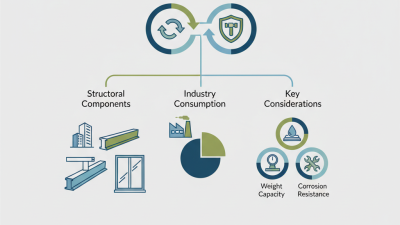
The key is really understanding your application. Reports from the Aluminum Association highlight how important it is to pay attention to properties like the weight-to-strength ratio and corrosion resistance. When you choose the right properties, you’re essentially setting yourself up for better performance and fewer surprises. The stakes are high, so taking the time to make an informed decision really pays off in the long run.
Understanding Industrial Aluminum Profiles and Their Applications
Industrial aluminum profiles serve a wide array of applications, demonstrating their versatility in modern manufacturing. These profiles can be found in construction, automotive, and aerospace sectors. According to a recent report from MarketsandMarkets, the global aluminum extrusion market, which includes these profiles, is projected to reach $120 billion by 2025. This growth illustrates the increasing reliance on lightweight materials for improved efficiency.
Understanding the specific applications of industrial aluminum profiles is crucial. For example, in the automotive industry, they are used for car frames and components, optimizing weight without compromising strength. Additionally, China Industrial Aluminum Profiles are gaining prominence for their quality and cost-effectiveness. However, selecting the right type can be challenging, as not every profile suits all needs. A mismatch can lead to structural issues or increased costs, emphasizing the importance of careful planning and analysis.
It's important to consider properties like corrosion resistance and thermal conductivity when choosing profiles. A lack of attention in these areas can result in product failures. Regular assessments and updates from industry experts help in aligning with best practices. Ultimately, the right choice enhances efficiency while the wrong one can incur significant losses.
How to Choose the Right Industrial Aluminum Profiles for Your Needs? - Understanding Industrial Aluminum Profiles and Their Applications
| Profile Type | Dimensions (mm) | Weight (kg/m) | Typical Applications |
| T-Slot Profile | 40 x 40 | 2.5 | Modular Frames, Workstations |
| Rectangular Profile | 100 x 50 | 6.0 | Machine Frames, Industrial Equipment |
| L-Shaped Profile | 50 x 50 x 5 | 3.3 | Supports, Brackets |
| Round Profile | 30 | 1.5 | Conveyor Systems, Piping |
| Square Tube | 40 x 40 | 3.0 | Frames, Structural Components |
Key Factors to Consider When Choosing Aluminum Profiles
When selecting aluminum profiles, the first thing to consider is their application. Different industries have different requirements for strength and flexibility. For instance, profiles used in construction must endure heavy loads. On the other hand, profiles for electronics may need lightweight and intricate designs. It’s crucial to assess the specific demands of your project.
Another key factor is the surface finish. An anodized finish increases durability and corrosion resistance. This is essential for outdoor applications. Additionally, profiles are available in various dimensions. The right size ensures optimal performance and integration into existing systems. Evaluating these aspects helps avoid future issues.
Design flexibility also plays a significant role in your choice. While some profiles may seem perfect at first glance, they might not fit well with your intended design. Therefore, prototypes can provide insights but do require extra time. Keep in mind that sometimes, the “Best Industrial Aluminum Profiles” might not be the most obvious choice. It’s vital to remain open to adjustments as new insights arise during your design process.
Different Types of Industrial Aluminum Profiles Explained
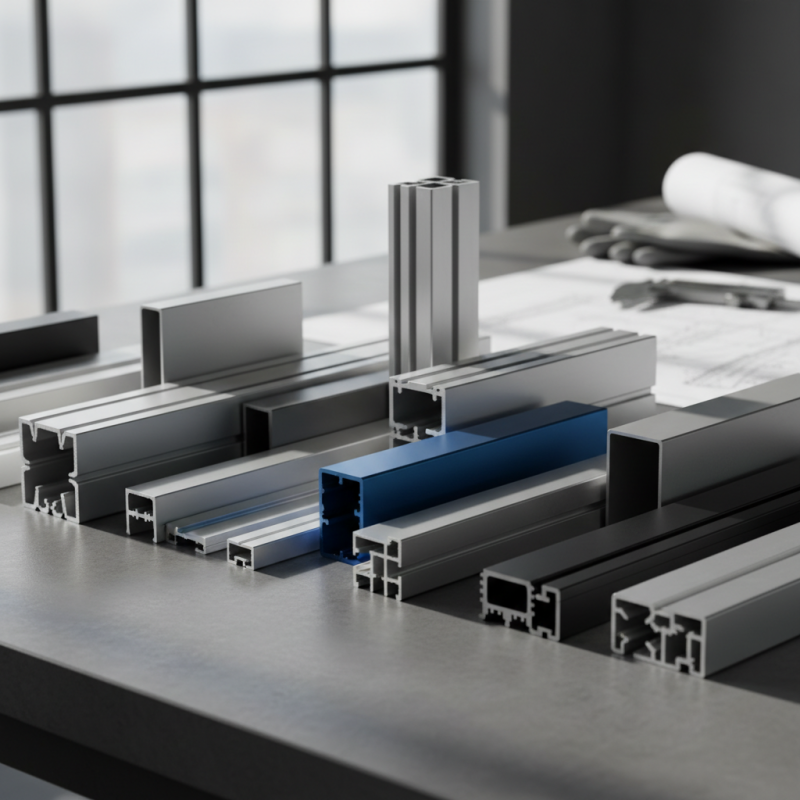
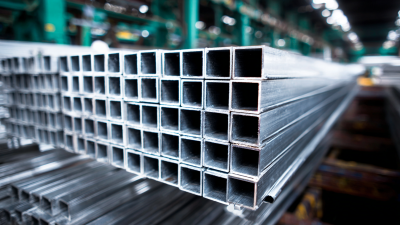
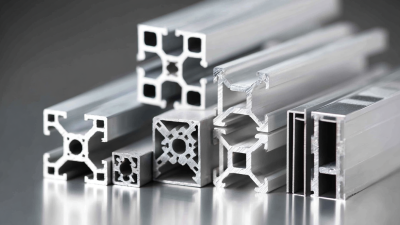
When selecting industrial aluminum profiles, understanding the various types available is crucial. Industrial aluminum profiles come in different shapes, sizes, and alloy compositions. Some common types include square and rectangular tubes, which offer versatility for structural applications. Others are L-shaped or T-shaped, designed for specific corner or joint needs. Each shape serves distinct purposes across multiple industries, making it important to choose wisely.
Another vital aspect is the alloy used in the profiles. Common alloys include 6061 and 6063, both known for their excellent strength-to-weight ratios. These alloys provide durability, yet they can be challenging to fabricate. Reflecting on the specific requirements of your project helps in understanding which alloy suits your needs best. You might find that not all suppliers offer every type of profile, underscoring the need to consult a reliable Industrial Aluminum Profiles Supplier.
Lastly, consider the finish of the aluminum profiles. Anodized finishes enhance corrosion resistance and aesthetic appeal. However, they might increase costs. Balancing quality with your budget is essential. By thoroughly assessing your project requirements, you can ensure you make an informed choice, even amidst the various options available.
Assessing Strength and Durability Requirements for Your Project
When selecting industrial aluminum profiles, assessing strength and durability is crucial. Aluminum profiles can vary significantly based on their specific alloy, heat treatment, and design. According to the Aluminum Association, the tensile strength of common aluminum alloys ranges from 70 MPa to over 700 MPa. Depending on your project's needs, this is essential to ensure safety and longevity.
Consider the environment where the profiles will be used. For outdoor applications, corrosion resistance is paramount. The American Society for Testing and Materials (ASTM) emphasizes that aluminum 6061-T6 offers excellent corrosion resistance, crucial for structures exposed to moisture. However, some profiles might require additional coatings, especially if they face salty conditions.
Evaluate whether the selected profiles can withstand dynamic loads as well. A recent study indicated that poorly chosen profiles could fail under stress, leading to costly repairs. Understanding the specific load requirements for your application can prevent failures that arise from insufficient knowledge. Lines of communication between engineers and suppliers can foster a better understanding of needs, ensuring that all aspects of strength and durability are comprehensively addressed.
Evaluating Finish and Aesthetic Requirements for Aluminum Profiles
When selecting industrial aluminum profiles, finish and aesthetic requirements play a crucial role. Consider the environment where the profiles will be used. Some finishes resist corrosion better than others. This knowledge stems from years of experience in the industry. A brushed finish, for example, has a unique texture that can enhance the profile's appearance.
The color and gloss of the finish also significantly affect aesthetics. Some applications demand a matte finish for subtlety, while others require a glossy look for visibility. Choosing the right finish is not just about looks. It impacts functionality, too. Some finishes might degrade over time, so it’s wise to look for durable options.
Consulting with a reputable Industrial Aluminum Profiles Manufacturer can provide valuable insights into the best finishes for your needs. Each project may present challenges that require innovative solutions. Reflect on your preferences and project requirements.
Balancing beauty and functionality can be tricky, but understanding the available options will lead to better outcomes.
Cost Considerations and Budgeting for Aluminum Profile Projects
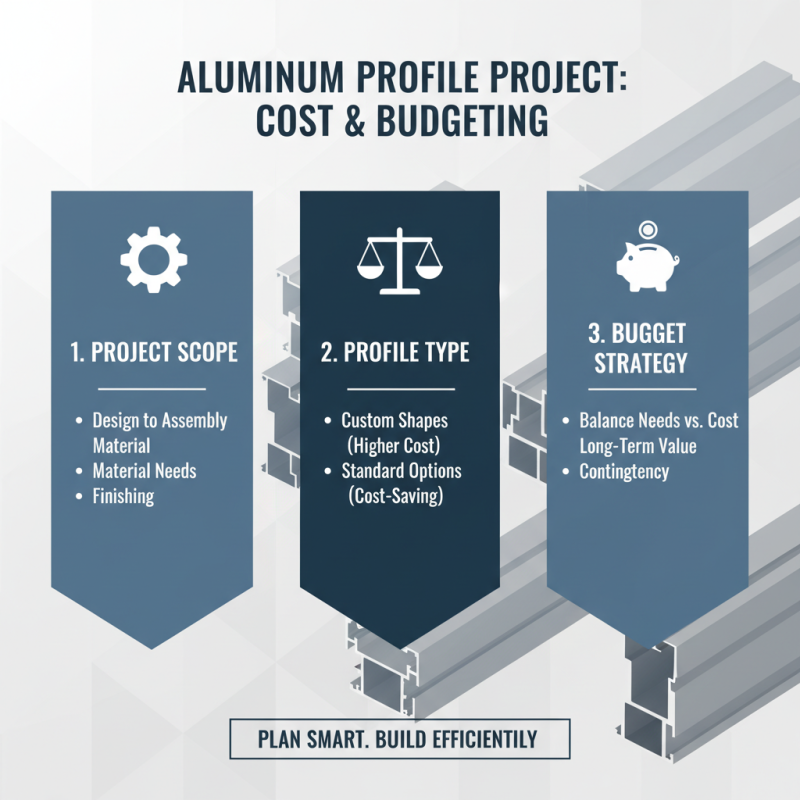
When planning an aluminum profile project, cost considerations are crucial. Understand the full scope of your needs. From design to assembly, every aspect influences your budget. Identify the specific types of profiles required. Think about custom shapes versus standardized options. Custom profiles can lead to higher costs, while standard shapes may save money. Balancing needs with budget is essential.
Material quality impacts longevity and maintenance costs. Higher-grade aluminum may require a larger upfront investment. However, it often pays off in reduced wear and tear. Evaluate potential savings in maintenance over time. Consider the total cost of ownership, not just initial prices.
Keep in mind the hidden costs. Shipping and handling can add significant expenses. Do not overlook labor costs for installation or assembly. Each step should be assessed carefully. Reflect on your choices and their long-term impact. A thorough budget plan can prevent project delays and financial strain down the line. Prioritize quality while staying within budget, as it leads to a successful outcome.
Sourcing and Supplier Options for Quality Aluminum Profiles
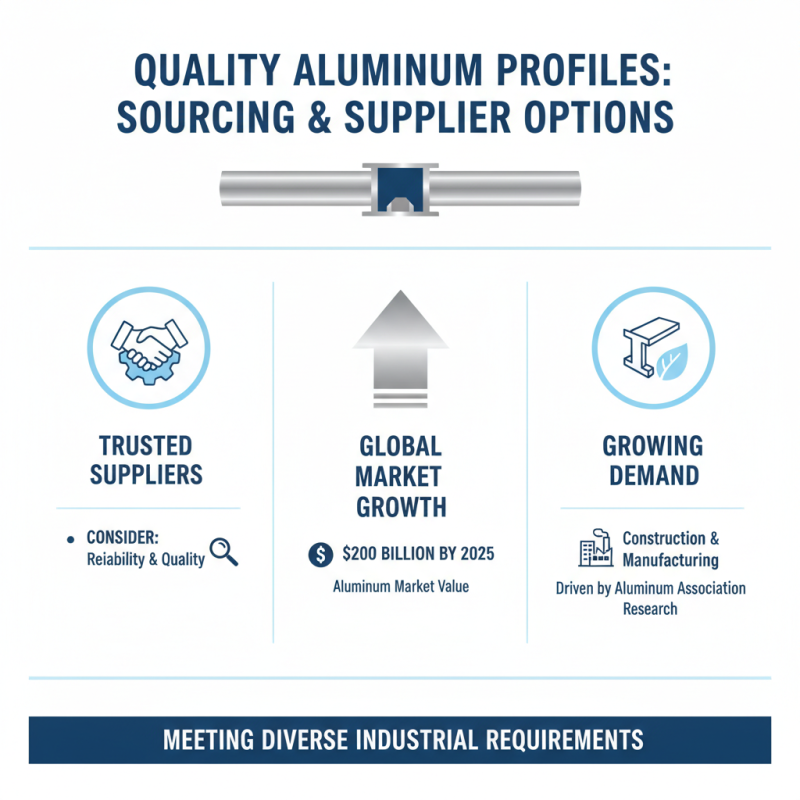
When sourcing aluminum profiles, consider supplier options that offer reliability and quality. Research from the Aluminum Association indicates a growing demand for lightweight materials in construction and manufacturing. By 2025, the global aluminum market is expected to reach over $200 billion. This rapid growth highlights the need for trusted suppliers capable of meeting diverse industrial requirements.
Selecting a supplier is not always straightforward. Many companies claim to provide superior products, yet discrepancies in quality and service can be common. It's crucial to evaluate the supplier's experience, production capabilities, and their commitment to quality assurance. Reports suggest over 30% of industrial firms have faced issues due to subpar aluminum materials. This statistic illustrates the risks involved and emphasizes the importance of making informed decisions.
Engaging with suppliers who use advanced technology can significantly impact product quality. It is beneficial to request samples and conduct thorough evaluations. Understanding the manufacturing processes can provide insights into a supplier’s transparency and credibility. Companies that provide detailed certification and testing methodologies tend to create stronger partnerships. Keeping communication channels open can help address concerns promptly, ensuring that your aluminum profile needs are met efficiently.
FAQS
: They are used in construction, automotive, and aerospace sectors for various applications.
Consider properties like corrosion resistance, thermal conductivity, and specific project needs to avoid mismatches.
Common types include square tubes, rectangular tubes, L-shaped, and T-shaped profiles, each serving distinct purposes.
Alloys such as 6061 and 6063 offer excellent strength-to-weight ratios and durability.
Anodized finishes enhance corrosion resistance but may increase costs; balance quality with budget.
Assess design, custom shapes, material quality, and hidden costs like shipping and labor for accurate budgeting.
Higher-grade aluminum may cost more initially, but it can reduce long-term maintenance and replacement expenses.
Yes, standardized options are usually more cost-effective than custom shapes, helping to fit budget constraints.
Shipping, handling, and installation labor can add significant expenses, so they should be included in the budget.
A mismatch in profile choice may lead to structural issues or increased costs, emphasizing the need for careful planning.
Conclusion
Choosing the right Industrial Aluminum Profiles for your projects involves a comprehensive understanding of their applications and the specific requirements of your needs. Start by evaluating the diverse types of aluminum profiles available, such as extruded, anodized, or painted options, to determine which best suits your application. Key factors to consider include strength and durability requirements, as well as aesthetic preferences, which can influence the finish and overall appearance of the profiles.
Moreover, cost considerations play a crucial role in budgeting for aluminum profile projects. It’s essential to source quality profiles from reputable suppliers to ensure that you meet both performance and financial expectations. By taking these aspects into account, you can effectively select the appropriate Industrial Aluminum Profiles that align with your project's specifications and objectives.









 wechat