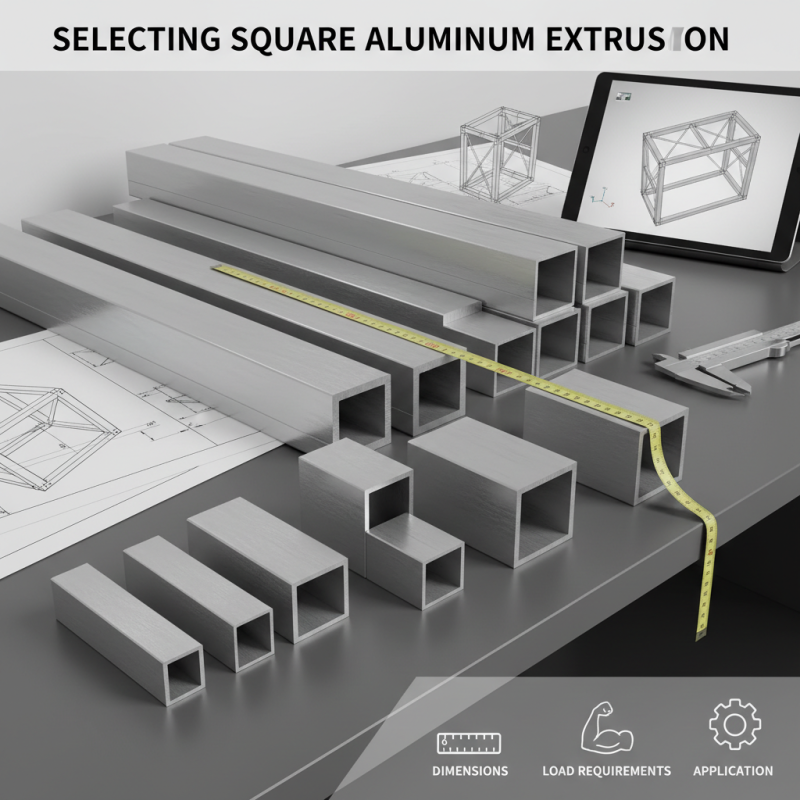
Starting a new project? One of the biggest decisions you'll face is choosing the right materials — and trust me, it really can make or break your success. Out there in the market, one option that keeps catching people's eyes is Square Aluminum Extrusion. Honestly, it’s pretty versatile and tough, making it a favorite across a whole bunch of industries. It’s lightweight but still strong enough for structural stuff, and because it’s easy to cut, shape, and even anodize, you can definitely personalize it to look just how you want. That’s why so many folks in construction, automotive, and even consumer goods are into it.
If you’re thinking about using Square Aluminum Extrusion for your project, there are a few key things you should keep in mind. Getting to know the specs — like the size, the type of alloy, and the surface finishes — really helps you pick the right one for your specific needs. Plus, think about what you’re going to use it for — whether it’s framing, architectural features, or even more intricate designs — this will affect what properties you should focus on. Taking a moment to consider all these details will help you make a smart decision, ensuring your project turns out exactly how you want, and that it stands the test of time.
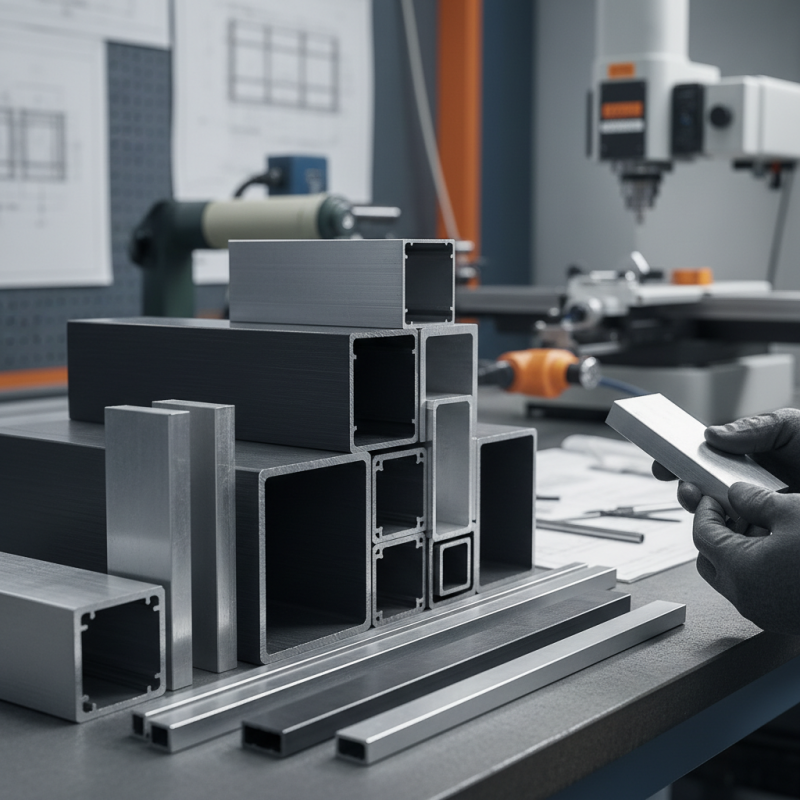
Understanding Square Aluminum Extrusions and Their Applications
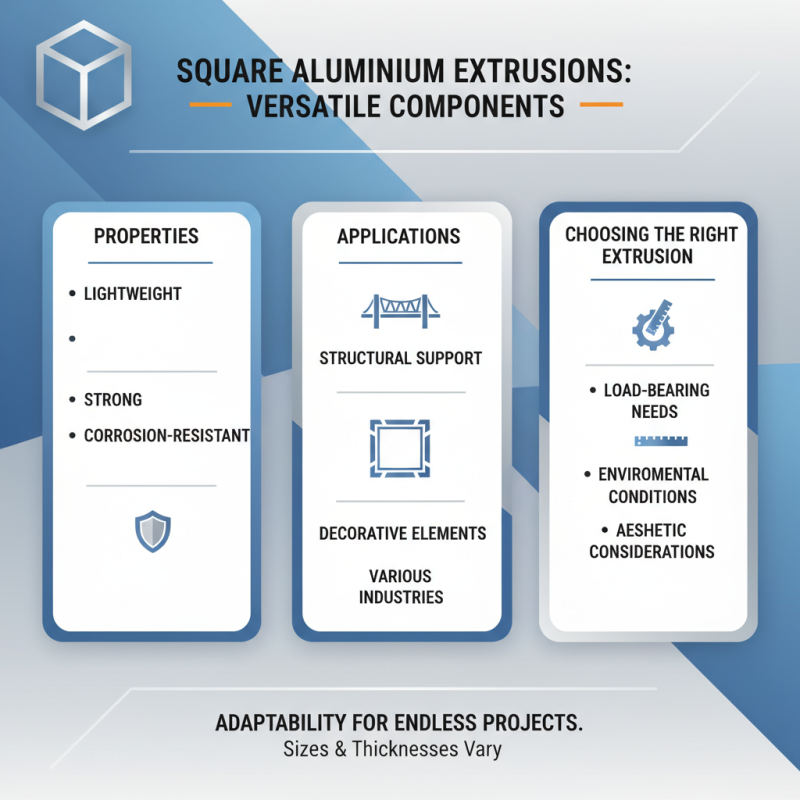
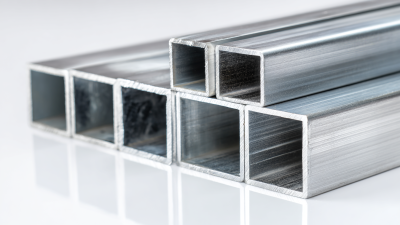
Square aluminum extrusions are versatile components widely used in various industries due to their lightweight, strength, and resistance to corrosion. These extrusions come in a variety of sizes and thicknesses, making them suitable for applications ranging from structural supports to decorative elements. Understanding the specific requirements of your project—such as load-bearing needs, environmental conditions, and aesthetic considerations—can significantly influence the choice of square aluminum extrusions.
In construction and manufacturing, square aluminum extrusions play a crucial role in framing, shelving, and partitioning. Their uniform shape allows for easy assembly and integration into existing designs, while their durability ensures longevity in both indoor and outdoor settings. Furthermore, industries such as automotive and aerospace benefit from the high strength-to-weight ratio of aluminum, enabling the creation of lightweight yet robust components. By recognizing the numerous applications of square aluminum extrusions, project managers and designers can make informed decisions that enhance both functionality and efficiency.
Key Factors to Consider When Selecting Aluminum Extrusions
When selecting the right square aluminum extrusion for your project, several key factors must be carefully considered. First and foremost, determine the dimensions required for your specific application. The width, height, and wall thickness of the extrusion will impact both its strength and versatility. A thorough understanding of load requirements and how the extrusion will be utilized—whether for structural support or aesthetic purposes—will help you make an informed decision.
Additionally, consider the alloy and finish of the aluminum. Different alloys offer varying properties, such as corrosion resistance, weldability, and tensile strength. Depending on the environment where the extrusion will be used, a surface finish might also be necessary. This could include anodizing for enhanced durability or a powder coat for color and further corrosion protection. By evaluating these factors, you can ensure that the selected aluminum extrusion meets the functional and aesthetic needs of your project.
Types of Square Aluminum Extrusions and Their Features
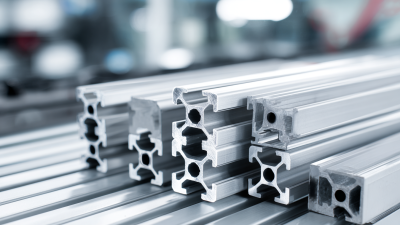
When selecting square aluminum extrusions for your project, it's essential to understand the various types available, each offering distinct features. Common types include standard structural extrusions, which are versatile and used in various applications like frames and supports. These extrusions often come in different wall thicknesses and sizes, allowing for customization based on specific load-bearing needs. Another popular type is decorative extrusions, designed for aesthetic purposes, featuring unique shapes or finishes that enhance the visual appeal of a project.
Tips: Always consider the environment your extrusion will be used in. For outdoor applications, choose extrusions with protective coatings to prevent corrosion and extend their lifespan. Additionally, assess the strength requirements based on the project's load to avoid under-specifying your materials.
Another type worth mentioning is heat sink extrusions, specifically designed to dissipate heat effectively. These are crucial for applications involving electronics and machinery where overheating can be a concern. Their unique designs maximize surface area, ensuring optimal thermal management, which can significantly enhance performance and longevity.
Tips: When working with heat sink extrusions, ensure proper installation for maximum efficiency. Consider integrating thermal interface materials to improve heat transfer between the heat sink and the components being cooled.
Evaluating the Strength and Durability of Aluminum Alloys
When selecting square aluminum extrusions for a project, evaluating the strength and durability of the aluminum alloy used is critical. Aluminum alloys vary significantly based on their composition, which directly impacts their mechanical properties. The two primary categories of aluminum alloys are wrought and cast. Wrought alloys, which are shaped through mechanical processes, often exhibit higher strength and are commonly used in structural applications. On the other hand, cast alloys are made by pouring molten aluminum into molds, offering excellent complex shapes but typically lesser strength.
Additionally, various aluminum alloys contain different elements that enhance their properties. For instance, alloys with magnesium and silicon tend to provide a good balance between strength and corrosion resistance, making them ideal for outdoor applications. It is also essential to consider the heat treatment process of the alloy, as it can significantly influence the strength characteristics. Alloys that undergo heat treatment can achieve higher strength levels, crucial for projects demanding durability and reliable performance over time.
Ultimately, the choice of aluminum alloy for square extrusions should align with the specific requirements of the project, including load-bearing needs, environmental factors, and aesthetic considerations. Understanding the properties associated with different aluminum alloys ensures that designers and engineers select the most suitable material that meets the demands of their applications.
Customizing Square Aluminum Extrusions for Specific Needs
When it comes to customizing square aluminum extrusions, understanding specific project requirements is crucial. Square aluminum extrusions are versatile components used across various industries, from construction and automotive to aerospace and electronics. According to industry reports, the global aluminum extrusion market is expected to reach $80 billion by 2027, with a notable increase in demand for customized profiles that meet unique functional specifications. Customization allows for tailored dimensions, wall thicknesses, and surface treatments that improve performance, aesthetics, and compliance with standards.
One important aspect to consider during the customization process is the intended application of the extrusions. For instance, applications requiring enhanced strength and weight distribution might benefit from thicker wall profiles or specific alloy compositions. Research indicates that the aerospace sector, for example, increasingly favors custom extrusions that comply with stringent weight and performance regulations, driving demand for innovative design. Additionally, the application of advanced coatingscan enhance corrosion resistance, which is essential for extrusions used in outdoor environments or marine applications. By leveraging these data insights, project planners can make informed decisions that enhance both the functionality and durability of their Aluminum Profiles.
Common Manufacturing Processes for Aluminum Extrusions
When selecting square aluminum extrusions for your project, understanding the common manufacturing processes is crucial. Aluminum extrusion involves pushing heated aluminum through a shaped die to create long sections with specific cross-sectional profiles. The two primary methods of aluminum extrusion are direct and indirect extrusion. In direct extrusion, the aluminum billet is forced through the die in one direction, while in indirect extrusion, the die is pushed against the billet, allowing for different mechanical properties and finishes.
Tips for selecting the right extrusion include considering the alloy type and temper, as these factors influence the strength, weight, and corrosion resistance of the final product. Additionally, evaluating the intended application is essential; certain extrusion methods may better suit structural integrity or aesthetic preferences. Finally, pay attention to the surface finish, as processes like anodizing or powder coating can enhance both durability and appearance.
Another important manufacturing process is machining, where precision cuts, holes, or features are added after the extrusion process. This allows for customization of the profiles to fit specific project requirements. Implementing effective communication with your manufacturer can facilitate better understanding of these processes and aid in achieving the desired outcomes for your aluminum extrusion project.
Aluminum Extrusion Manufacturing Processes
Cost Considerations for Square Aluminum Extrusions in Projects
When selecting square aluminum extrusions for any project, understanding cost considerations is crucial. The price of aluminum extrusions can vary significantly based on factors such as material thickness, alloy type, and the complexity of the design. According to a report by the Aluminum Association, the average market price for aluminum has fluctuated between $1,700 to $2,400 per metric ton in recent years. This volatility directly impacts the cost of square aluminum extrusions, making it essential for project managers to factor in these fluctuations throughout their budgeting process.
Moreover, tooling costs play a significant role in the overall expenditure for custom square aluminum extrusions. A study by the National Association of Manufacturers has shown that nearly 30% of project costs can be attributed to tooling when it comes to custom shapes. Therefore, projects requiring bespoke designs may see increased costs due to the need for specialized machinery and the potential for longer lead times. This aspect underscores the importance of conducting thorough material cost analyses and seeking quotes from various suppliers to ensure that expenditure aligns with project budgets. Efficient planning and cost assessment can lead to substantial savings, making it vital to balance design requirements with cost implications in the selection process.
Innovative Design and Performance of the 110 B Swing Aluminum Window Extrusion Profile for Modern Architecture
The innovative design of the 110 B Swing Aluminum Window Extrusion Profile exemplifies modern architecture's blend of aesthetics and functionality. Crafted from high-quality 6063/T5 aluminum, this profile ensures optimal performance, durability, and efficiency. With a thickness of 2.0mm—customizable to meet specific project needs—this extrusion profile is ideal for crafting windows that are not only visually appealing but also robust against daily wear and tear.
Surface treatment options elevate the 110 B Swing profile's appeal, allowing for versatile finishes such as powder coating, wood grain, and anodizing. These treatments enhance the profile's resistance to environmental elements while providing a modern look suitable for contemporary designs. Furthermore, the hardness rating of over 12HW ensures that the window profile maintains its integrity in various applications, making it an excellent choice for architects and builders focused on quality and longevity.
The 110 B Swing Aluminum Window Extrusion Profile meets stringent industry standards, boasting certifications such as CE, ISO, SGS, TUV, and ROHS. With a minimum order quantity set at 500KG for each profile, this product is a practical solution for both small-scale projects and large developments, demonstrating its versatility within modern architectural applications.
FAQS
: Common types of square aluminum extrusions include standard structural extrusions, decorative extrusions, and heat sink extrusions, each serving different purposes in various applications.
Standard structural extrusions are versatile and used for applications like frames and supports, available in different wall thicknesses and sizes to customize load-bearing capabilities.
For outdoor applications, it is crucial to select extrusions with protective coatings to prevent corrosion and extend their lifespan.
Heat sink extrusions are designed to dissipate heat effectively, making them essential for preventing overheating in electronic and machinery applications.
Important factors include the intended application, required dimensions, wall thicknesses, and surface treatments to meet performance, aesthetic, and compliance standards.
The demand for customized profiles is rising due to the need for specific functional specifications across industries, including construction, automotive, and aerospace.
Advanced coatings can enhance corrosion resistance, making extrusions more suitable for outdoor and marine applications.
Thicker wall profiles and specific alloy compositions can significantly improve strength and weight distribution, especially in applications with rigorous performance requirements.
Proper installation of heat sink extrusions is critical for maximizing their efficiency in heat dissipation and ensuring optimal thermal management in applications.
By leveraging data insights regarding application needs, project planners can make informed decisions on dimensions, materials, and coatings to improve both functionality and durability.
Conclusion
When embarking on a project that involves the use of Square Aluminum Extrusions, it is essential to understand their characteristics and applications. These extrusions offer versatility and strength, making them suitable for a variety of uses. Key factors to consider when selecting the right aluminum extrusion include the specific requirements of the project, such as load-bearing capacity, resistance to environmental conditions, and aesthetic preferences.
Additionally, it's important to evaluate the different types of Square Aluminum Extrusions available, considering their features and the aluminum alloys used, which affect strength and durability. Customization options can enhance functionality for specific needs, while understanding common manufacturing processes will help in making informed decisions. Lastly, cost considerations play a crucial role in choosing Square Aluminum Extrusions, ensuring that the project remains within budget while achieving quality and performance goals.







 wechat