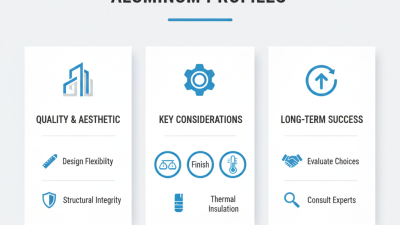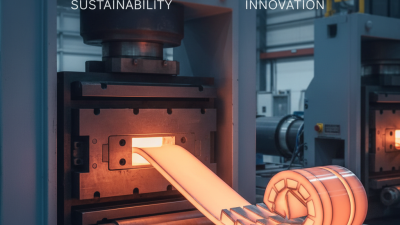
Picking the right Architectural Aluminum Extrusion Profiles really can make or break your project. These profiles aren’t just about looks—they play a key role in keeping things sturdy and safe too. When you’re choosing, think about what your design actually needs. Different projects have different requirements, so there’s no one-size-fits-all answer.
Take some time to check out what's out there in the market. Get to know the pros and cons of each profile—what they can do, what they might struggle with. And don’t forget: not all suppliers are created equal. Companies like Extrude-A-Trim offer a variety of options, so you can find something that fits your specific needs. It’s also worth looking into their experience—see what other clients say and browse their past projects to get a sense of their expertise.
Making the wrong choice here can lead to bigger costs or delays down the line—nobody wants that. So, it’s really worth giving some thought to your options. The materials you pick can totally influence whether your design hits the mark or not. Keep your priorities in mind and remember: the right profiles can not only boost your design’s look but also ensure it performs well over time.
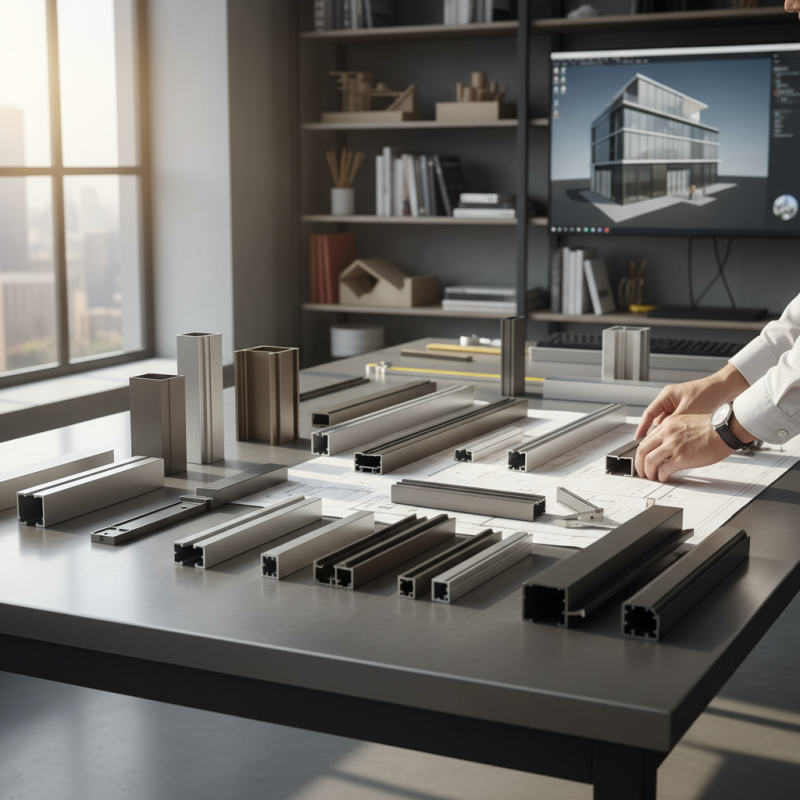
Architectural Aluminum Extrusion Profiles play a key role in contemporary construction. They offer durability, aesthetic appeal, and design flexibility. According to a report by the Aluminum Association, the demand for aluminum extrusions has grown by over 40% in the past decade. This trend highlights the increasing reliance on aluminum for structural integrity and sustainability.
The selection of the right extrusion profile can significantly impact project outcomes. Essential considerations include the alloy type, surface finish, and thermal performance. Data from the International Aluminum Institute indicates that profiles with superior thermal properties can reduce energy costs by up to 30%. However, not all profiles suit every application, and skilled architects must evaluate specific project requirements.
Mistakes in choosing the wrong profile can lead to structural issues or inefficiencies. A lack of understanding of material properties can result in costly adjustments during construction. Consulting with experienced engineers can provide insights that enhance decision-making. Investing time in research and collaboration is paramount for achieving the desired architectural vision.
When selecting architectural aluminum extrusion profiles, understanding their intended purpose is crucial. Different applications necessitate unique properties. For example, structural profiles may require higher strength, while decorative profiles may prioritize aesthetic appeal. According to a report by the Aluminum Association, over 70% of aluminum extrusions are used in architectural applications.
Consider the environmental conditions surrounding the profile. Profiles exposed to moisture or harsh weather must feature corrosion-resistant coatings. This ensures longevity and lower maintenance costs. The right selection can save up to 30% in future repairs, improving overall project efficiency, as stated in the U.S. Department of Energy's guidelines on building materials.
It's also important to analyze the manufacturing and fabrication methods. Not all extrusion profiles can accommodate complex designs. Some may need additional machining or assembly, which could inflate costs. A review from industry experts suggests that designers often overlook these factors, leading to budget overruns. A careful evaluation of these aspects can lead to more sustainable and cost-effective choices.
When selecting architectural aluminum extrusion profiles, quality standards and certifications play a crucial role. These benchmarks ensure that the products meet stringent performance and safety requirements. Look for profiles that comply with international standards like ISO 9001 or ASTM. Compliance not only indicates credibility but also highlights a commitment to quality.
In the realm of China Architectural Aluminum Extrusion Profiles, different manufacturing processes can lead to varying quality levels. It's vital to request certificates such as CE or RoHS, which affirm that the materials are safe and environmentally friendly. Not all manufacturers adhere to these standards, which can be a potential red flag. Inspecting the extrusion's surface and consistency is equally important.
Engaging with suppliers who provide transparent information about their quality assurance processes can make a significant difference. It's not uncommon to encounter discrepancies in quality. If a profile looks perfect but lacks certification, it raises questions. A reliable supplier will have no issue sharing their testing results and certifications, displaying their commitment to excellence.
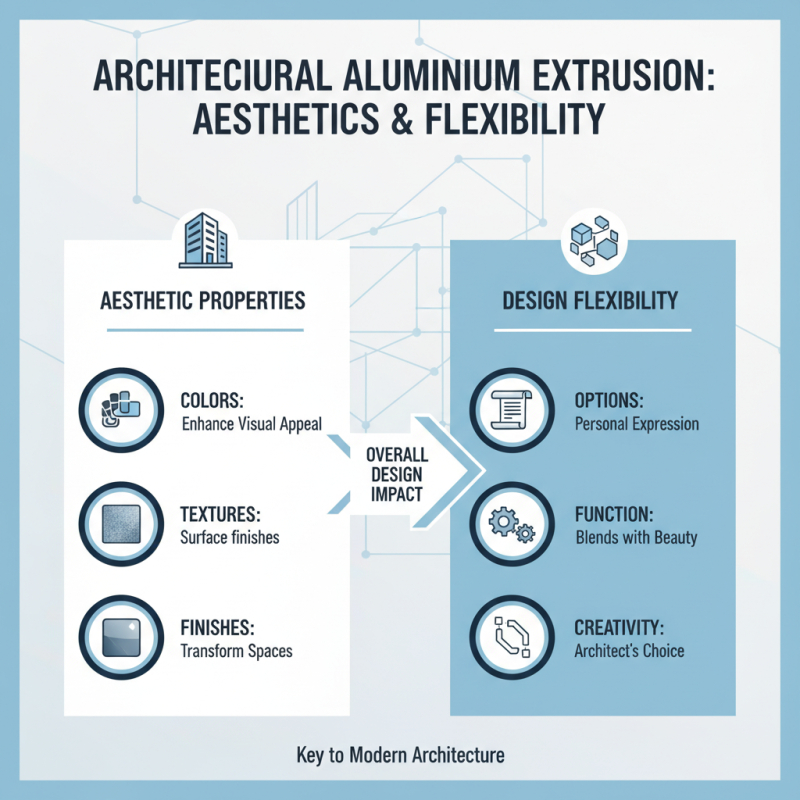
When selecting architectural aluminum extrusion profiles, aesthetic properties are crucial. The look of the profile affects the overall design of the structure. Colors, textures, and finishes can significantly enhance visual appeal. These choices can transform a simple space into a stunning one. Moreover, various design options allow for personal expression. Architects now blend function and beauty effectively.
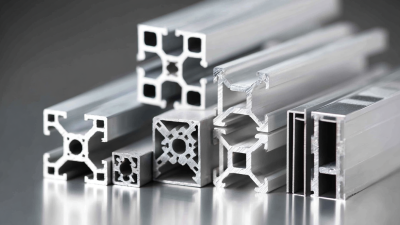
Flexibility in design is another important factor to consider. Aluminum Profiles can easily adapt to different architectural styles. They can be manipulated into a variety of shapes and sizes. This versatility allows for innovative solutions that capture attention. However, not all profiles may achieve the desired effect. It's vital to balance aesthetics with practicality.
Collaborating with experts can ensure that you choose the Best Architectural Aluminum Extrusion Profiles. Their experience helps navigate the complexities. They consider factors like environmental impact and sustainability. However, industry standards constantly evolve. Stay informed about new trends and technologies. Embrace the possibility of mistakes, and learn from them. Design is a journey of exploration and growth.
When assessing cost-effectiveness in architectural aluminum extrusion profiles, one must consider various factors beyond just the initial price. A recent industry report indicates that aluminum extrusions can provide a lower lifecycle cost compared to alternatives. Long-term value often emerges from durability, maintenance needs, and energy efficiency.
For instance, profiles made from high-quality aluminum alloys can resist corrosion and weathering. According to studies, a well-manufactured aluminum profile can last 30 years or more with minimal upkeep. On the other hand, cheaper options may require frequent replacements, which inflate overall expenses. Furthermore, investing in energy-efficient designs can lead to lower heating and cooling costs, enhancing the financial benefits over time.
Another factor to weigh is the environmental impact. Recycled aluminum has a 95% lower carbon footprint than new aluminum. Choosing profiles with sustainability in mind can resonate well with consumers seeking eco-friendly solutions. By prioritizing long-term value and cost-effectiveness, companies can ensure better returns on investment while also contributing to a greener future.
This bar chart illustrates the cost-effectiveness scores of various architectural aluminum extrusion profiles. Each profile has been evaluated on a scale of 1 to 100, taking into account factors such as durability, maintenance costs, and initial investment. Higher scores indicate better cost-effectiveness and long-term value for architectural applications.
When selecting the right finish and coating for architectural aluminum extrusion profiles, durability is crucial. Proper finishing not only enhances aesthetics but also protects against environmental factors. A report by the Aluminum Association states that aluminum can last over 30 years with the right coating. This longevity is often attributed to powder coatings, known for their resilience.
Tip: Consider finishes that resist UV light and corrosion. These finishes extend the life of your structures. A study showed that anodized coatings can increase resistance to wear and tear by up to 50%. This is imperative in harsh climates.
Another critical aspect is the application method. Electrostatic spray application is popular for its efficiency and uniformity. However, it requires skilled professionals. If not applied correctly, coatings may flake or peel, leading to costly repairs. Tip: Always request samples and test prior to large orders. Partnering with a reliable Architectural Aluminum Extrusion Profiles Supplier ensures quality materials and coatings.
Durability is affected by preparation stages, such as surface cleaning and pretreatment. Inadequate prep can undermine even the best coatings. It is essential to follow best practices during this phase to avoid future issues. Investing time in proper preparation pays off in the long run, ensuring the structural integrity of your projects.
| Tip Number | Tip Description | Recommended Finish | Durability Factor |
|---|---|---|---|
| 1 | Consider the intended use of the profile. | Anodized Finish | High |
| 2 | Evaluate environmental exposure (e.g., marine, industrial). | Marine Grade Coating | Very High |
| 3 | Choose profiles based on load-bearing requirements. | Powder Coating | Medium |
| 4 | Ensure compatibility with other materials. | Biodeterioration-resistant Finish | High |
| 5 | Assess aesthetics and architectural requirements. | Brushed or Polished Finish | Medium |
| 6 | Research the manufacturer's quality certifications. | Anodized Finish | High |
| 7 | Ensure dimensional accuracy and tolerances. | Clear Protective Coating | Medium |
| 8 | Inquire about warranty and service options. | Custom Coating Solutions | Variable |
| 9 | Look for sustainable and eco-friendly options. | Recycled Aluminum Finish | High |
| 10 | Get feedback from previous clients or projects. | Textured Coating | Medium |
Choosing the right architectural aluminum extrusion profiles can significantly impact your project's success. While standard choices might be appealing, consulting with experts and manufacturers is crucial. These professionals provide insights tailored to your project's specific needs. Their experience can help you navigate various options, ensuring you select profiles that align with both aesthetic desires and structural requirements.
Industry data shows that over 70% of design failures stem from improper material choices. Engaging with knowledgeable sources allows for a thorough examination of attributes, such as strength, weight, and corrosion resistance. Reliable manufacturers can also clarify how profiles will react to environmental stresses, a key consideration many overlook. This expert guidance ensures that your selections support the overall integrity and longevity of your design.
Understanding the nuances of architectural aluminum extrusion profiles is essential. The right choice can improve energy efficiency and reduce long-term maintenance costs. However, it's important to acknowledge that not all profiles will meet your expectations. Regular consultations with a credible Architectural Aluminum Extrusion Profiles Manufacturer can reveal potential flaws and open avenues for innovation. This collaborative effort leads to informed decisions, ultimately enhancing project outcomes.
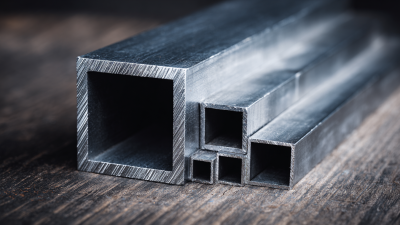
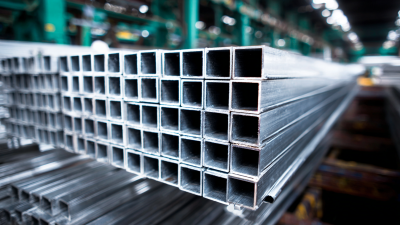
When it comes to aluminum extruded super large square tubes, 6061 and 6063 alloys stand out due to their exceptional strength and versatility. These alloys are ideal for a variety of applications, ranging from structural components to decorative elements, thanks to their favorable mechanical properties and excellent corrosion resistance. The 6061 alloy is recognized for its high tensile strength and heat treatability, making it suitable for heavy-duty applications, while the 6063 alloy offers better extrudability and surface finish, making it a preferred choice for architectural applications.
Our aluminum square tube offerings are available in an extensive range of sizes from 10mm to 300mm, ensuring a perfect fit for any project. With over a thousand different sizes in stock, clients can easily find the right dimension without the hassle of extensive lead times. For those with specific requirements, we specialize in providing customized solutions, tailored to meet diverse needs. This flexibility allows designers and engineers to maximize the potential of aluminum tubing in their projects, enhancing both functionality and aesthetics. Whether you’re constructing robust frameworks or elegant installations, our aluminum square tubes are designed to deliver optimal performance and a striking finish.
: Cost-effectiveness includes lifecycle cost, durability, maintenance needs, and energy efficiency.
A high-quality aluminum profile can last over 30 years with minimal upkeep.
Energy-efficient designs lower heating and cooling costs, enhancing long-term financial benefits.
Recycled aluminum has a 95% lower carbon footprint compared to new aluminum.
Powder coatings are highly recommended for their resilience and protection against the environment.
If coatings are not applied correctly, they may flake or peel, leading to costly repairs.
Inadequate surface cleaning can undermine even the best coatings, risking future issues.
Electrostatic spray application is popular for its efficiency but requires skilled professionals.
Always request samples and test before large orders to ensure proper quality.
Look for finishes that resist UV light and corrosion to enhance longevity and durability.
Architectural Aluminum Extrusion Profiles are a vital component in modern architecture, offering both functionality and aesthetic appeal. When choosing these profiles, it's essential to understand their purpose and application, ensuring that they meet specific project requirements. Evaluating quality standards and certifications can significantly influence the durability and reliability of the profiles, while considering aesthetic properties and design flexibility allows for creative freedom in architectural designs.
Cost-effectiveness and long-term value are also crucial factors, as they determine the overall investment in a project. Selecting the right finish and coating is necessary for enhancing durability and maintenance of the profiles over time. Lastly, consulting with experts and manufacturers can provide valuable insights, helping to make informed decisions that optimize the selection process for Architectural Aluminum Extrusion Profiles, ensuring they align with project goals and sustainability considerations.