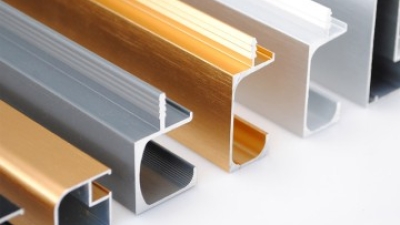
Picking the right architectural Aluminum Extrusion profiles is pretty important when it comes to modern building and design. These profiles aren’t just about providing the necessary support—they also play a big role in how everything looks. If you look at industry data, the global aluminum extrusion market is expected to hit around $123 billion by 2026. That growth’s mainly fueled by rising demand in the construction and auto industries. Since launching in 2011, Haixuan Metal Aluminium Profile Co., Ltd. has made a name for itself as a top-notch OEM. They focus a lot on R&D, manufacturing, and selling high-quality aluminum profiles. With their emphasis on innovation and keeping customers happy, knowing some key tips for choosing the right architectural aluminum extrusion profiles can really make a difference—both in how well your project works and how good it looks.
Key Factors Influencing Architectural Aluminum Extrusion Profile Selection
When you're picking out architectural aluminum extrusion profiles, there are a few key things you really want to keep in mind to make sure you’re making the right call for your project. First off, think about what you’re actually using it for and what kind of mechanical strength you need. For example, lately, aluminum extrusions are being used more and more in stuff like bumper beams and crash components, highlighting just how tough and versatile they can be, especially in safety-critical situations. By looking at how much load the profile needs to handle, you can better figure out which one strikes the perfect balance — looking good while also being strong and durable enough to last.
Understanding the Importance of Alloy Specifications in Extrusion Profiles
When you're picking out architectural aluminum extrusion profiles, it’s really important to get a good handle on alloy specs. Aluminum alloys are grouped into different series—like the 1000, 2000, 3000, all the way up to 8000—each designed for different uses. For building projects, especially, the 6000 series is a popular choice because it offers great corrosion resistance, weldability, and decent strength. That makes it perfect for structures that need to look good and stay durable over time.
Actually, a recent report by the Aluminum Association mentioned that choosing the right alloy can cut down the weight of a structure by up to 30%, without sacrificing its ability to support loads. Using high-strength alloys like 6061 and 6063 means designers can go for slimmer profiles without risking the structural integrity—that’s pretty cool. Also, understanding the temper of the alloy, which tells you how it's been processed mechanically, helps you pick the right extrusion for what you need. Oh, and features like anodizing not only boost corrosion resistance but also open up all kinds of finish options, really upping the style and versatility of aluminum extrusions in architecture.
5 Essential Tips for Choosing the Right Architectural Aluminum Extrusion Profiles
| Tip | Description | Importance of Alloy Specifications |
| 1. Identify Application Requirements | Determine specific needs based on intended use, such as structural strength, weight, and thermal conductivity. | Choosing the right alloy ensures the profile will perform adequately under expected loads and conditions. |
| 2. Assess Environmental Conditions | Evaluate exposure to elements like moisture, chemicals, and UV light that could affect performance. | Certain alloys provide better corrosion resistance suited for harsh environments. |
| 3. Choose the Right Alloy Series | Select aluminum alloys such as 6000 series for good corrosion resistance and weldability. | Each series has specific mechanical properties that affect fabrication and durability. |
| 4. Verify Tolerance Requirements | Check required tolerances for critical dimensions to ensure compatibility with other components. | Precision in alloy specifications can impact assembly and performance. |
| 5. Consult with Manufacturers | Engage with experts to understand available options and to obtain recommendations based on your project. | Manufacturers can provide insights on the most suitable alloys for specific applications. |
Analyzing Thermal Performance: Why Profile Geometry Matters in Structures
When we’re talking about architectural aluminum extrusion profiles, the shape and design of these profiles really matter – especially when it comes to how well they handle heat. A well-thought-out profile can make a huge difference, helping to cut down energy bills and making the building more eco-friendly overall. As the Aluminum Association pointed out, aluminum’s thermal conductivity can be as low as 205 W/m·K, which just shows how important it is to pick the right profile shape to keep heat transfer in check.
Here’s a handy tip: Focus on profile shapes that include thermal breaks. These help reduce heat flow and boost energy efficiency. Think about designs that actually incorporate insulation materials – they act like barriers, stopping unwanted heat from escaping or sneaking in.
And don’t forget about the aspect ratio of the profile. This isn’t just about strength; it also impacts how air moves around and through the structure. Profiles with the right aspect ratio can promote better airflow and help prevent hot or cold spots, making temperature control way easier.
Once you get a handle on how important profile shape and geometry are, it’s easier for architects and engineers to make smarter choices. Not only can they hit aesthetic goals, but they also optimize energy use and performance, which really boosts sustainability in construction. Picking profiles with thoughtful designs isn’t just about looks—it’s about saving energy in the long run, which is such a big deal these days in our eco-conscious world.
Thermal Performance of Different Aluminum Extrusion Profiles
Evaluating Surface Treatments for Durability and Aesthetic Appeal
When you're choosing architectural aluminum extrusion profiles, one of those things you really shouldn't overlook is the surface treatment. It’s pretty much the secret to making the whole thing last longer and look better at the same time. A good surface finish doesn’t just fend off stuff like corrosion and UV damage — it can actually boost the overall vibe of the design too. Common options are anodizing, powder coating, and organic coatings. Each one has its perks. For example, anodizing creates a tough, protective layer that can be colored in different shades, while powder coating comes in tons of colors and finishes, giving you that pop of visual appeal.
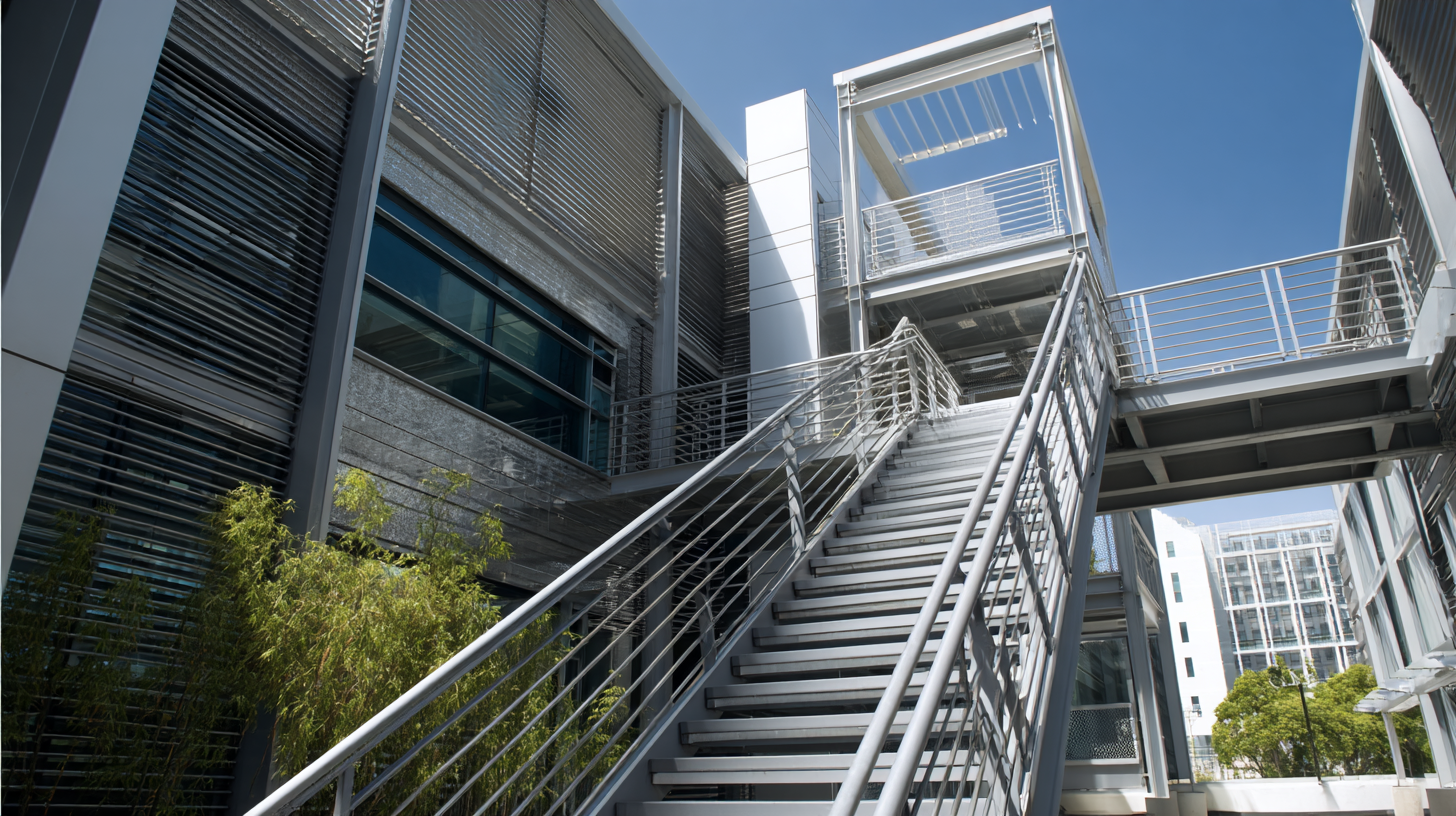
Now, another thing to keep in mind is how these treatments will impact maintenance and how long they last. Anodized finishes are pretty tough, but over time, they might start to wear down a bit and could need a touch-up. Meanwhile, powder coatings tend to resist fading and chipping, which means less hassle down the road. It's also super important to think about where and how these profiles will be used—environmental conditions and usage patterns really influence how effective each finish will be. At the end of the day, picking the right surface treatment isn’t just about looks; it’s about making sure your aluminum profiles not only do their job but also bring that extra style and character to the space.
Cost-Effectiveness: Balancing Quality and Budget in Extrusion Choices
When you're choosing aluminum extrusion profiles for your project, price is definitely a big deal—it's not something you want to ignore. Finding that sweet spot between good quality and keeping costs reasonable is really key. After all, you want your project to look great and work well without going over budget. A little tip? Think about the long-term benefits of investing in higher-quality profiles. Sure, they might cost more upfront, but they tend to last longer, need less maintenance, and save you money in the long run. Sometimes, spending a bit more now pays off down the line.
Also, don’t forget to shop around and compare options from different suppliers. Prices can vary quite a bit even for the same quality of stuff, so it’s worth requesting quotes and checking out their product specs. Doing this not only helps you find a good deal, but it might also lead to better quality at a more competitive price—always a win. Oh, and if your project calls for something a bit more specific, consider custom profiles. Tailoring the design can make everything more efficient and might save you some cash overall, plus it gives your project a unique touch. Basically, a little flexibility and some research can go a long way when it comes to picking the right aluminum profiles for your project.
The Impact of Industry Standards on Aluminum Profile Selection in Architecture
When you're choosing aluminum extrusion profiles for your architectural projects, getting a handle on the industry standards really matters. They not only help make sure the profiles are solid and built to last, but they also guide architects and designers in following building codes and regulations. For example, knowing about ASTM and ISO standards can actually make a difference — it helps you pick profiles that are suited for tricky environments, like coastal areas where corrosion’s a real concern, versus those meant for more general use. Sticking to these standards isn't just about compliance; it’s about ensuring safety, efficiency, and quality throughout the build.
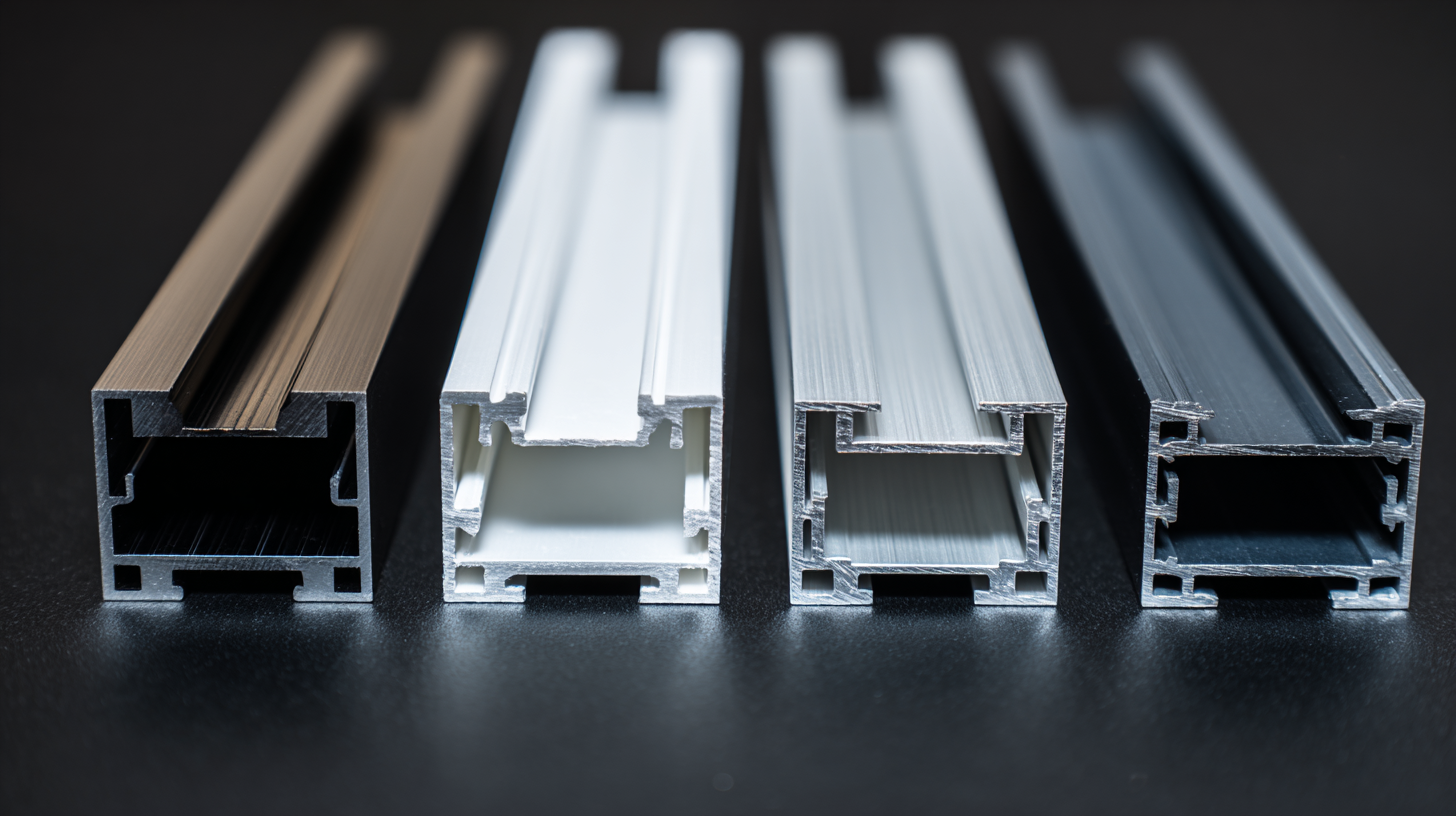
Plus, following these industry benchmarks can really impact the look and feel of the aluminum profiles. When profiles are designed to meet strict standards, they usually have better properties like improved thermal performance and more room for creative design. So, architects can push boundaries and come up with innovative ideas without worrying about safety or regulations. By making these standards a priority during selection, it's easier to work smoothly with fabricators and suppliers—leading to a less stressful process and, honestly, a better final product. At the end of the day, keeping these standards in mind really adds value to the architectural look and functionality of aluminum profiles.
Revamp Your Kitchen with Stylish Aluminum Extrusion Cabinet Handles: A Perfect Blend of Functionality and Design
Revamping your kitchen not only enhances the aesthetic appeal of your home but also improves functionality, and one of the best ways to achieve this is by upgrading your cabinet handles. Stylish aluminum extrusion cabinet handles serve as the perfect blend of functionality and design, offering durability and a modern look that aligns with current design trends. Recent industry studies indicate that 70% of homeowners value quality hardware as a critical component of kitchen design, making the selection of cabinet handles an essential decision.
As a leading manufacturer and supplier of high-quality aluminum handle profiles, we offer a comprehensive range of products designed specifically for the kitchen cabinet market. Aluminum handles are not only lightweight and corrosion-resistant, but they also provide a sleek and contemporary finish that complements a variety of kitchen styles, from minimalist to industrial chic. According to a report by the National Kitchen and Bath Association, kitchens with updated hardware can see a return on investment of up to 85%, highlighting the significance of choosing the right components for your space.
Incorporating stylish aluminum extrusion handles into your kitchen can enhance usability and also contribute to a cohesive design. The versatility of aluminum allows for various finishes and styles, ensuring there’s an option to suit every taste. Whether you prefer polished chrome, brushed satin, or powder-coated colors, our aluminum handles are designed to meet the diverse needs of your kitchen cabinet setup, making them the smart choice for homeowners looking to elevate their kitchen's design and functionality.
FAQS
: The main alloy series used include 1000, 2000, 3000, 4000, 5000, 6000, 7000, and 8000, with the 6000 series being the most common due to its excellent corrosion resistance, weldability, and medium strength.
Proper alloy specifications can reduce the overall weight of structures by up to 30% while increasing their load-bearing capacity, allowing for sleeker designs without compromising structural integrity.
The temper of the alloy indicates its mechanical state and is crucial for selecting the right extrusion based on performance requirements.
Properly designed profiles can significantly reduce energy consumption and enhance sustainability by minimizing heat transfer and creating thermal breaks.
Prioritize profile shapes that create thermal breaks and consider incorporating insulation materials to reduce heat flow and improve energy efficiency.
The aspect ratio influences both structural integrity and thermal performance, enhancing airflow and reducing stagnation for improved temperature regulation.
Assess the long-term benefits of higher-quality profiles, evaluate multiple suppliers for competitive pricing, and consider customized solutions for efficient designs and potential cost savings.
Investing in higher-quality profiles might have a premium upfront cost but can lead to reduced maintenance costs and improved durability over time.
Different manufacturers may offer varying prices for similar quality products, so comparing quotes helps find the best deal and the possibility of achieving better quality at competitive prices.
Thoughtful designs can lead to significant long-term energy savings, contributing to more sustainable construction practices that align with environmentally conscious architectural trends.
Conclusion
Picking out the right architectural aluminum extrusion profiles is a pretty big deal if you want your design to look good and work well at the same time. There are a few key things to keep in mind—like understanding the alloy specs, which really determine how strong and long-lasting those profiles will be. And don’t forget about thermal performance! The shape of the profile can make a huge difference in how energy-efficient your building ends up being.
Surface treatments are also super important—they help boost durability and make everything look nicer. Of course, you’re always balancing quality with your budget, so finding that sweet spot is part of the challenge. And, last but not least, sticking to industry standards is crucial for making sure everything fits and performs as it should. At Haixuan MetaL Aluminum Profile Co., Ltd., we've been around since 2011. Our focus on research and innovation in aluminum profiles has earned us a solid reputation, and we’re proud to be your trusted partner when it comes to making the best choices for architectural projects.








 wechat