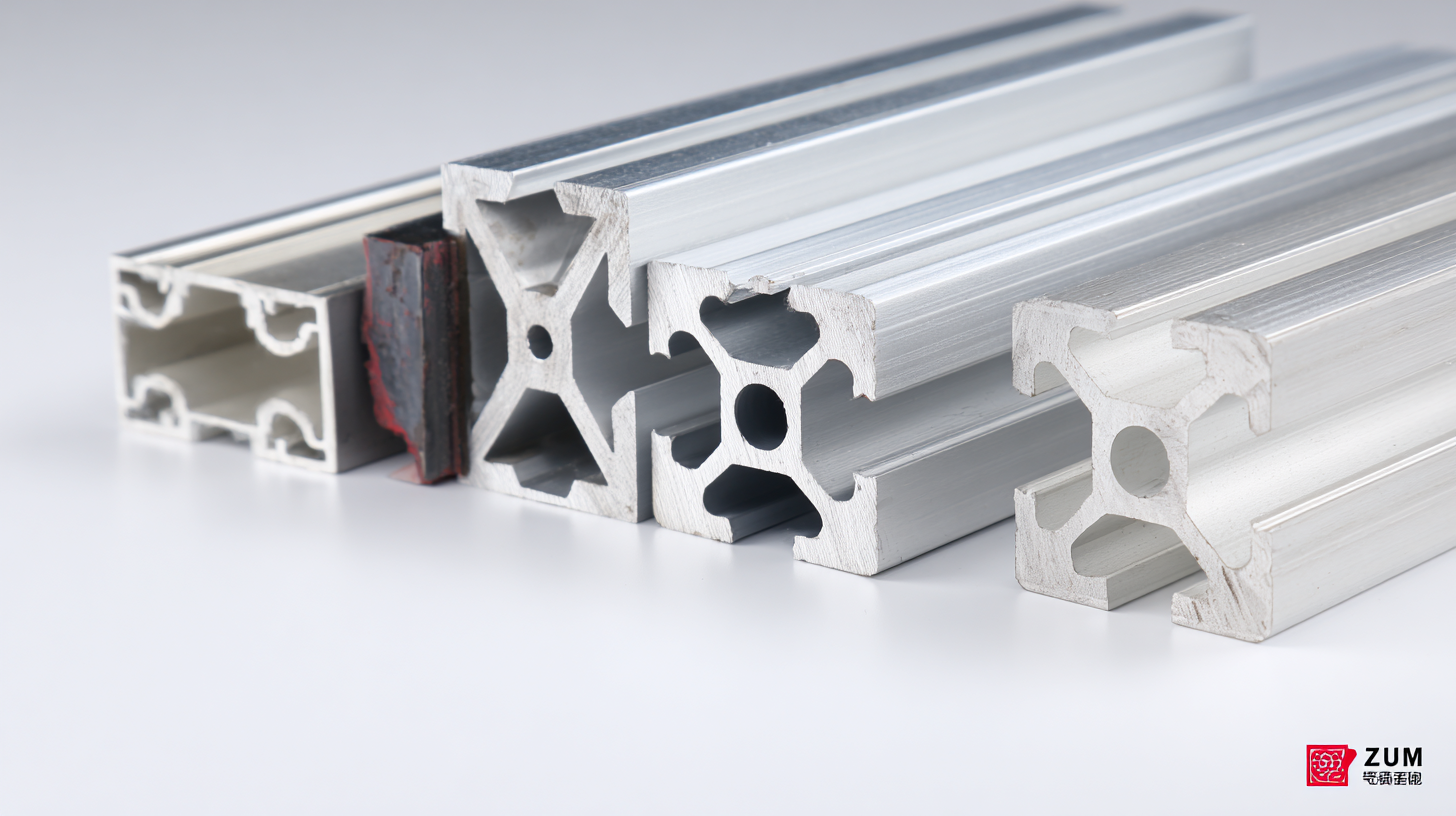
 As the world of global sourcing keeps changing at lightning speed, more and more businesses are starting to see just how crucial it is to pick the right suppliers for their IndustriaL Aluminum Profiles. With 2025 just around the corner, it’s really important for manufacturers and others in the game to stay on top of the trends driving this market. Take Haixuan Metal Aluminium Profile Co., Ltd., for instance. Since it opened its doors back in 2011, this company has really made a name for itself as a top original equipment manufacturer in this field. They’ve spent years delving into research, development, and the nitty-gritty of producing and selling high-quality aluminum profiles. So in this blog, we’re going to dive into some solid strategies for finding trustworthy suppliers who can keep up with the growing demands of our industry. After all, we want to make sure our businesses not just get by, but truly thrive in this competitive market, especially with all the new advancements and opportunities popping up in the global sourcing scene.
Key Drivers Shaping the 2025 Global Sourcing Market for Industrial Aluminum Profiles
Looking ahead to the future of global sourcing, especially in the world of industrial aluminum profiles, there are some important trends we should keep an eye on for 2025. For starters, we're seeing a real surge in demand for lightweight yet durable materials across a bunch of industries like automotive, construction, and electronics. This need is really driven by a growing focus on sustainability and energy efficiency. Because of this, manufacturers are on the hunt for innovative aluminum solutions that not only cut down on resource use but also boost product performance.
Now, when it comes to the players in this space, Haixuan Metal Aluminium Profile Co., Ltd. has been in the game for over ten years and is totally set to roll with these market changes. Their dedication to research and development really shines through—they’re constantly coming up with next-gen aluminum profiles that meet the shifting needs of clients around the globe. Plus, they’ve integrated some pretty advanced tech into their manufacturing processes, which means they can offer top-notch products without breaking the bank. As businesses everywhere lean more towards local sourcing and building sustainable supply chains, Haixuan's know-how in aluminum profile production is going to be super essential in effectively tackling these challenges.
Understanding the Impact of Sustainability Trends on Aluminum Profile Sourcing
You know, as more people are starting to care about sustainable building materials, the aluminum profile industry is really on the brink of some big changes. I mean, it’s pretty obvious that the way we source aluminum profiles is shifting, with companies really pushing to find low-carbon options and cut down their environmental impact. I’ve been reading up on how sustainable aluminum production, especially through extrusion processes, plays a key role in this whole transition. Honestly, some recent studies are highlighting just how urgent it is to tackle the environmental effects of Aluminum Extrusion. It’s become super important to focus on eco-friendly practices that can actually create a greener supply chain.
So, if you’re in the market for aluminum profiles, definitely look for manufacturers that have their sustainability game on point. Certificates that show a commitment to cutting emissions and waste are a good thing to keep an eye out for. Plus, checking out the latest technologies in aluminum production can really pay off in terms of performance and cost savings.
And it's not just construction that's catching the green wave—other industries like packaging are also seeing aluminum as a solid alternative to traditional materials. This kind of shift not only helps with sustainability objectives but also resonates well with customers who want environmentally friendly products. Take a company like Haixuan Metal Aluminium Profile Co., Ltd.—they’ve been shaking things up in the aluminum space since 2011, and they seem perfectly positioned to tackle this growing demand while integrating sustainability into everything they do.
Oh, and one last tip: when you’re deciding what to buy, think about the entire life cycle of the aluminum products. Being aware of what happens from production all the way to disposal can really help you make the most sustainable choices out there.
Technological Innovations Transforming the Aluminum Industry by 2025
You know, the aluminum industry is really gearing up for some big changes by 2025. It's all about tech innovations that boost efficiency, sustainability, and even customization. With smart manufacturing techniques—think IoT and AI—companies are now optimizing their production processes like never before. They’re cutting down on waste and can quickly adapt to what the market needs. And let’s be real: as automation becomes the norm, those companies that hop on this tech train will totally have the upper hand on a global scale.
Here’s a tip for you: seriously consider embracing automation in your operations! Investing in advanced manufacturing tech can smooth out your processes, making them more productive and saving you cash on operational costs.
Also, don’t forget about the cool advancements in recycling technology. They’re super important for changing up the aluminum game. With everyone focusing on sustainability these days, more companies are jumping on the bandwagon and using closed-loop systems to recycle aluminum scrap. Not only does this cut down on environmental impact, but it also helps create a circular economy in the industry.
So here’s another tip: look into ways to boost recycling within your production chain. It’s a win-win! You’ll not only beef up your sustainability profile, but you might also score some savings on raw materials too!
Evaluating Emerging Markets for Industrial Aluminum Profiles
Looking ahead to 2025, it’s pretty clear that emerging markets for industrial aluminum profiles are set to change the game in global sourcing. Places like Southeast Asia, Eastern Europe, and some parts of Latin America are really stepping into the spotlight for manufacturers. They’re not just about low costs; there’s a whole lot of innovation happening too! These areas boast not only cheaper production expenses but also a youthful, skilled workforce ready to tackle new challenges. Plus, with all the buzz around sustainability, these markets are jumping on the eco-friendly bandwagon, which is a big draw for businesses aiming to boost their green image.
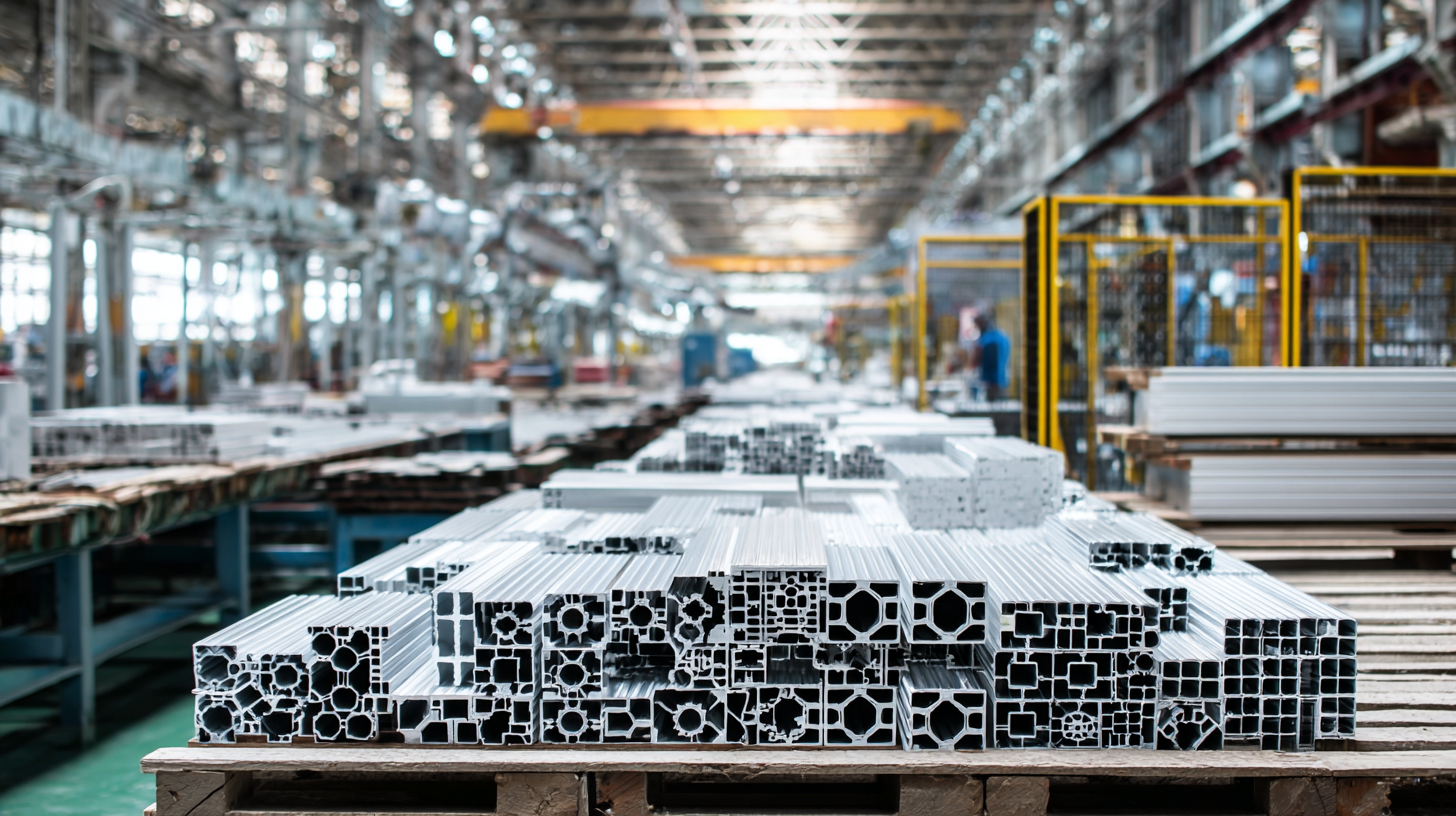
And let’s not forget about technology—it's really shaking things up! With automation and the whole Industry 4.0 wave, factories are hitting new heights in precision and speed. This transformation is not just bumping up the quality of aluminum profiles; it’s also making it easier to customize products based on what clients really want. As companies look to build supply chains that can weather any storm, diving into these vibrant markets is going to be crucial for staying ahead, especially since the demand for lightweight and durable materials keeps soaring across different industries.
Best Practices for Optimizing Your Supply Chain in Aluminum Sourcing
You know, as the industrial aluminum profiles market keeps changing, it’s super important to really optimize your supply chain if you want to stay in the game. Companies that want to get their aluminum sourcing right should definitely look at some best practices to make everything run smoother and cut down on costs. One of the smartest moves is to build solid relationships with your suppliers. It’s all about that good communication, which helps when you’re negotiating better terms and making sure the top-quality materials keep coming in without a hitch.
Plus, don’t underestimate the power of technology! Using the latest software for inventory management and demand forecasting can really amp up your supply chain operations. It allows you to stay quick on your feet when the market shifts. And let’s not forget data analytics; it can help you spot trends and tweak your sourcing strategies to make things more efficient and minimize waste.
**Here are a few tips:**
1. Keep an eye on how your suppliers are doing—make sure they’re hitting those quality and delivery benchmarks.
2. Work alongside your suppliers on new ideas, so you can come up with aluminum profile designs that really cater to those new market demands.
3. Don’t skimp on training your supply chain team! Keeping them updated on the latest industry trends and tech is key to staying one step ahead of the competition.
Future Trends in Global Sourcing: Analyzing the 2025 Market for Best Industrial Aluminum Profiles
| Region | Market Size (Million USD) | Growth Rate (%) | Major Applications | Sourcing Challenges |
| North America | 2,500 | 4.5 | Construction, Automotive | Supply Chain Disruptions |
| Asia Pacific | 3,800 | 6.2 | Electronics, Aerospace | Regulatory Compliance |
| Europe | 2,200 | 3.8 | Transportation, Packaging | Sourcing Cost Fluctuations |
| Latin America | 1,100 | 5.0 | Consumer Goods, Furniture | Logistics and Infrastructure |
| Middle East & Africa | 900 | 2.5 | Oil & Gas, Heavy Machinery | Political Instability |
Anticipating Challenges and Risks in Global Aluminum Sourcing Strategies
As we get closer to 2025, the world of aluminum sourcing is looking pretty challenging, thanks to some pretty wild trade policies. Just take a look at the recent news—those 25% tariffs on aluminum imports have really shaken things up in the supply chain. It's putting a squeeze on manufacturers' costs and really making them rethink how they source materials. With all this uncertainty, companies are going to need to get creative with their sourcing strategies to tackle rising expenses and possible hiccups in production. It's definitely time for businesses to reassess their supply chain resilience and explore other sourcing options.
And let’s not forget about the geopolitical stuff complicating matters even further. With trade routes shifting and tariffs climbing, companies really have to stay on their toes and be proactive about risk management. The ups and downs in aluminum prices are mirroring broader economic trends, so it’s crucial for businesses to keep a close eye on the market. Being agile with sourcing and tapping into global networks is going to be key for manufacturers who want to dodge risks and take advantage of new chances in the global arena. How well they handle these challenges will be the real game-changer in the fast-moving industrial landscape of 2025.
Exploring the Growth Trends: How Aluminum Extrusion is Revolutionizing Kitchen Cabinet Design and Functionality
The kitchen cabinet industry is undergoing a significant transformation, fueled by the increasing use of aluminum extrusion in design and functionality. As homeowners seek modern, sleek aesthetics combined with durability, aluminum has emerged as a predominant choice for kitchen cabinetry. According to a report by Grand View Research, the global aluminum extrusion market is projected to reach USD 136.36 billion by 2025, indicating a robust growth trajectory driven by various sectors, including the kitchen and furniture industries.
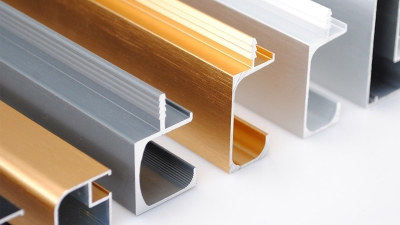
Aluminum handle profiles, in particular, are gaining traction. Our comprehensive range of high-quality aluminum handles not only enhances the visual appeal of kitchen cabinets but also offers unparalleled strength and resistance to wear and tear. The lightweight nature of aluminum, combined with its corrosion resistance, makes it an ideal material for kitchen environments where durability is paramount. Market analysis shows that products with aluminum components can allow design flexibility and innovation, which encourages architects and designers to push the boundaries of traditional kitchen aesthetics.
Moreover, the functionality of kitchen cabinets is significantly improved with the integration of aluminum extrusion technology. This advancement not only facilitates effortless maneuvering and ergonomic designs but also promotes sustainability in cabinet manufacturing. With the rising demand for eco-friendly materials, aluminum's recyclability positions it as a favored option for environmentally conscious consumers. As these trends continue to evolve, it is clear that aluminum extrusion is set to revolutionize the way we think about kitchen cabinets, transforming both design and practical usage in the heart of the home.
FAQS
: The key sustainability trends include the demand for low-carbon alternatives, eco-friendly practices in aluminum extrusion, and innovations in sustainable production processes.
Companies can look for certifications that indicate a manufacturer's commitment to reducing emissions and waste, and prioritize those that integrate advanced technologies in their production.
Technological innovations are enhancing efficiency, sustainability, and customization through smart manufacturing, automation, IoT, and AI, which help companies optimize production and reduce waste.
A closed-loop system allows for the reuse of aluminum scrap within production processes, minimizing environmental impact and promoting a circular economy.
Emerging markets in Southeast Asia, Eastern Europe, and Latin America are providing cost efficiency, a skilled workforce, and are rapidly adopting eco-friendly practices that appeal to global buyers.
Companies should assess the environmental impact from production to disposal to choose the most sustainable options available in the market.
Embracing automation can streamline operations, enhance productivity, and lower operational costs, giving companies a competitive edge.
The emphasis on sustainability aligns with consumer preferences for environmentally conscious products and supports broader sustainability goals across various sectors.
Improving recycling can enhance a company’s sustainability profile and provide economic benefits through cost savings on raw materials.
The rising consumer preference for environmentally conscious products encourages companies to adopt more sustainable materials and practices in their sourcing strategies.






 wechat