

The architectural industry has undergone a considerable transformation over the past few decades, with ArchitecturaL Aluminum Profiles becoming an essential aspect of modern building design. The aluminum industry, as foreseen by Research and Markets, is likely to attain around USD 187.3 billion by 2026, mainly due to the growing demand for environmentally friendly, lightweight building materials. Architects and builders have turned to Architectural Aluminum Profiles for their incomparable versatility, strength, and corrosion resistance that suit all modern applications.
Established in 2011, Haixuan Metal Aluminum Profile Co., Ltd. has constantly contributed to this revolution, which emphasizes the research, development, and production of superior aluminum profiles. With long experience in the industry and innovation-oriented philosophy, Haixuan is seen as a recognized major original equipment manufacturer. The growing demand for sustainable building practices will further emphasize the importance of Architectural Aluminum Profiles in energy efficiency and the flexibility of design. This marks a new era of architectural opportunities in which functionality is well meshed with avant-garde design.
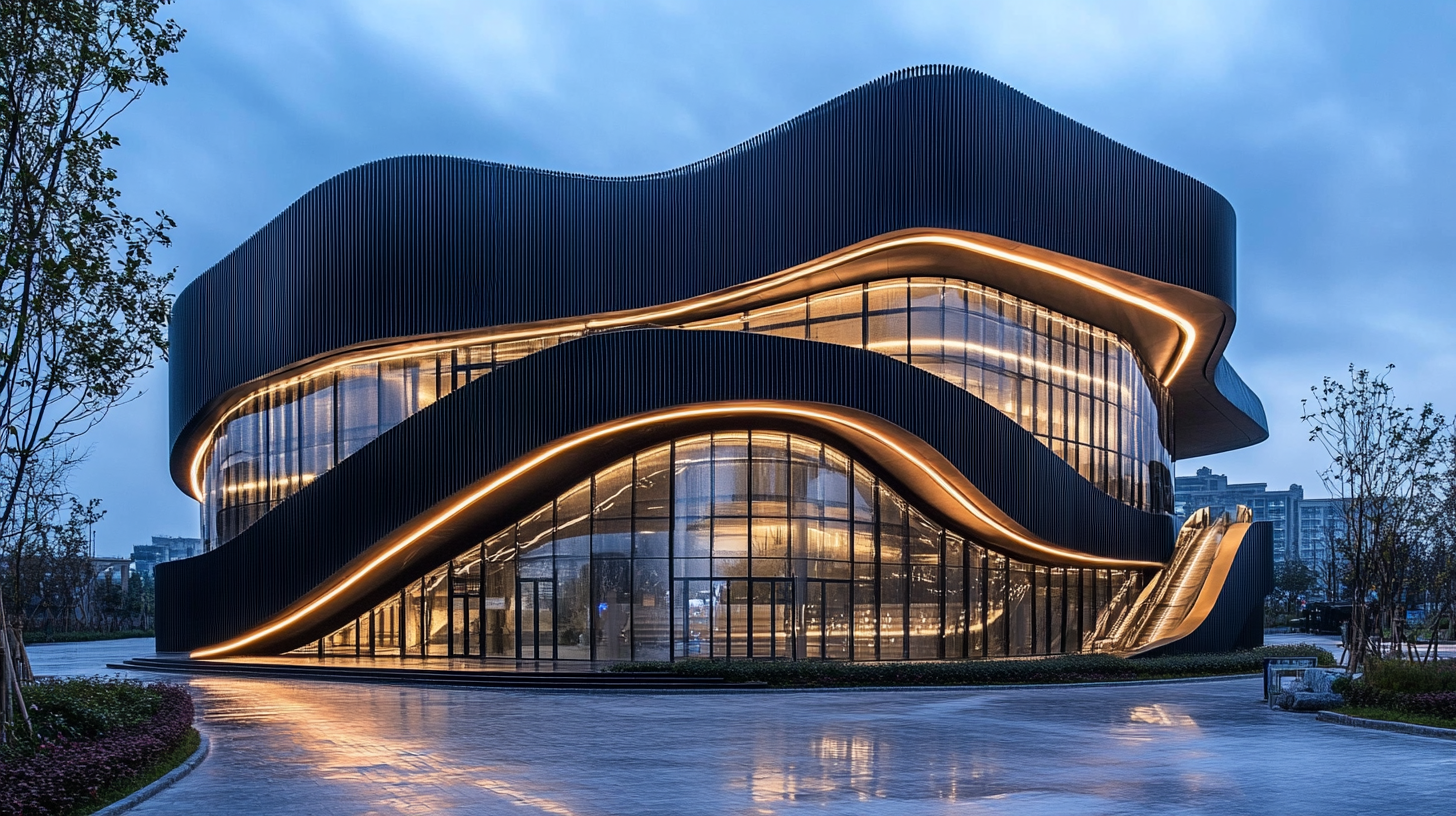
Architecture, and the very shape of modern structures, have changed beyond recognition over the years. There is an array of changes in the interior appearance caused by different technologies and changed design philosophies, bringing architectural aluminum profiles within their best reach. The profiles are inextricably entwined with the finest examples of modern architecture, to which a designer can stretch his creativity while maintaining functionality. One of the most significant changes in this area would be that of the recent innovation lightweight-yet-durable aluminum materials, which reduced the weight of entire structures but not the strength. This paved the way into even more extravagant designing possibilities and expanded the boundaries of façades and details that had been previously impossible. Advancements in surface treatment went a step further into other possibilities in aesthetics that architectural aluminum profiles could develop. Modern coatings can mimic the appearance of traditional materials like wood or stone whilst providing the longevity and low maintenance that aluminum offers. Their capability thus allows architects to use these profiles in various design styles-from contemporary to classic- if they might need to complement each other in making the structure visually appealing. The other benefits that come with innovations in architectural aluminum profiles include aesthetics and weight advantages. However, a new key area in their research and development has been sustainability. Most are using recycled aluminum in producing profiles with less carbon footprint, thus moving toward an eco-friendly process of manufacturing. Such trends not only fit within the bigger agenda of sustainability across the globe but also accommodate a rising demand from clients and consumers for building materials with a lower impact on the environment. Indeed, as these trends take on the rest of the world beyond just the envelope of buildings, aluminum profiles captured in the penultimate act modern design: form, function, and nature integrated within them.
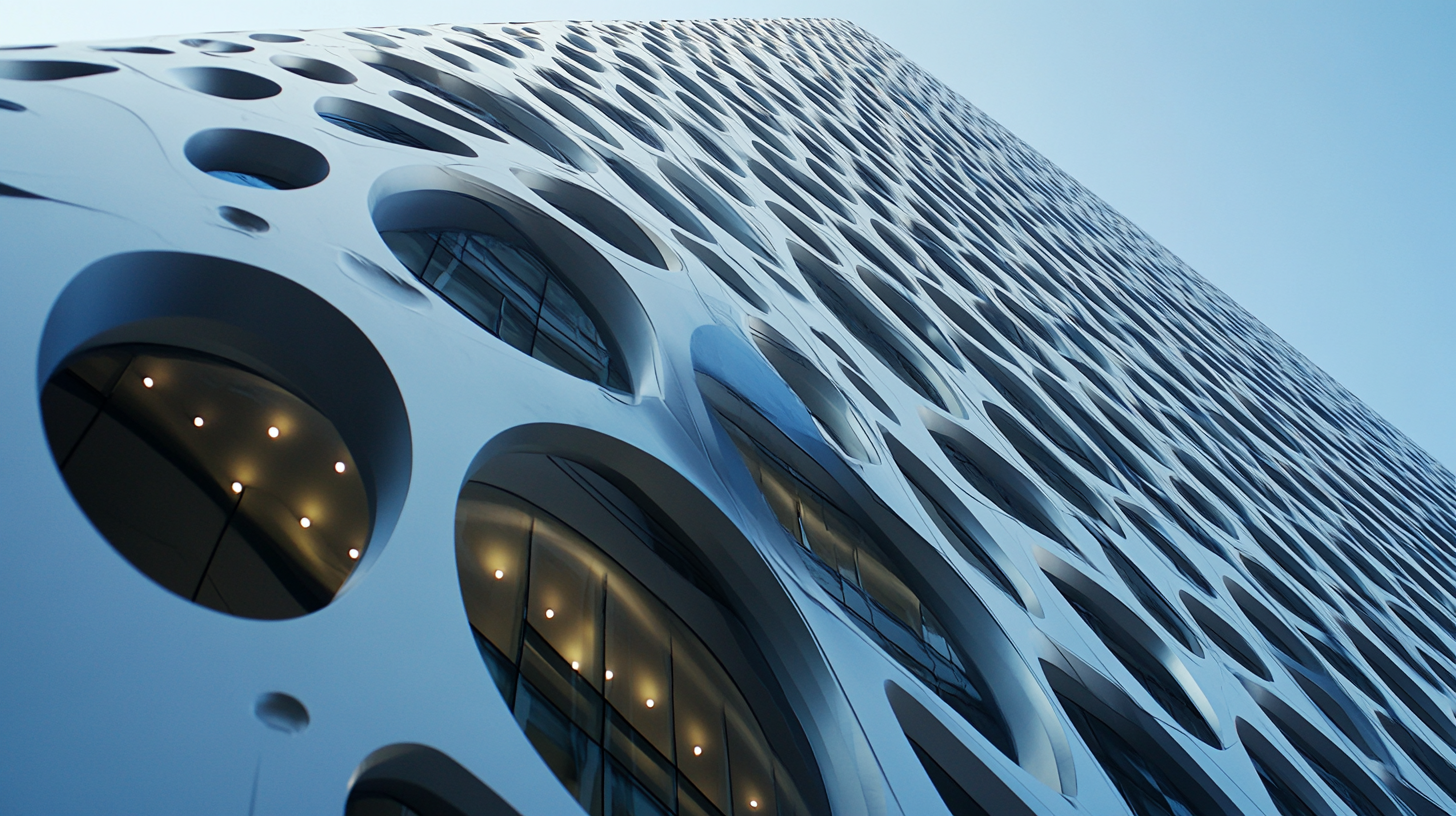
Sustainability has evolved into the major focus of contemporary architectural practice today, while aluminum profiles are currently among the very foremost of that green building revolution. According to the Aluminum Association, energy efficiency in the production of aluminum has improved markedly, with modern-day production methods using as little as 5% of the energy that was consumed just a few decades ago. This enormous amount of energy savings is reducing the carbon footprint of aluminum manufacturing, making aluminum profiles an environmentally friendly option in construction.
The cradle-to-grave recycling aspect of aluminum profiles accentuates their sustainability quotient. Seventy-five percent of all aluminum ever produced is still used today, says the International Aluminium Institute, which is only possible because aluminum can be recycled over and over without losing any quality. Such a circular economy guarantees that aluminum is directed towards building practices that reduce landfill wastes and resource depletion. Firms and architects using recyclable aluminum profiles in their designs fulfill serious environmental requirements and thereby enhance their project sustainability.
Apart from being ecologically sound, aluminum profiles offer design versatility agreeable to the contemporary aesthetic. With the global green building market projected to go above $3 trillion by 2025, the demand for and use of sustainable materials such as aluminum will long be on the rise. Such increase in demand reflects an awakening among end-users and stakeholders alike on the need for sustainable construction practices. As architects choose aluminum profiles in ever-increasing numbers, they take up not only a new material but also a cause for the sustainable future of building design.
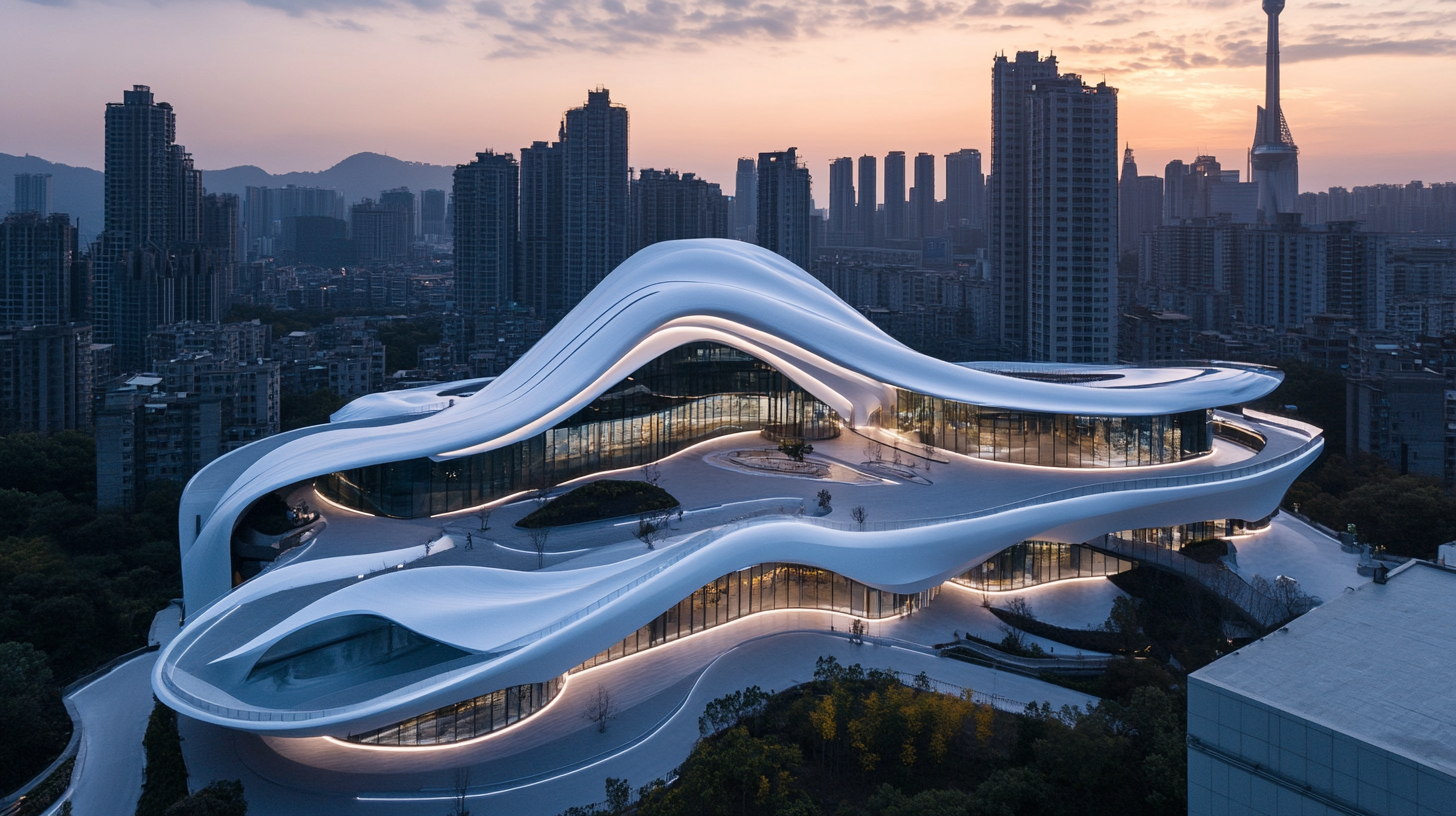
The comparative analysis made between the traditional materials in architecture and aluminum shows an important divergence, especially in light of the recent developments in high-strength aluminum alloys. These materials, which have now acquired the capability to sustain high temperatures of 400°C, have been described as revolutionary for the aerospace and transportation industries. This high thermal resistance, coupled with lightweight profile aluminum, gives aluminum profiles a special status in current architecture for its structural and energetic solution.
Keeping in mind sustainability and high performance, aluminum profiles are fast gaining consideration as substitutes for traditional building materials like wood and steel. For example, increased composite applications allow aluminum alloys to extend into components of higher end -- from railway cars to fine furniture. So the change has not been about weight; but rather, we think about performance and durability in the thermal context for the building materials. As industries seek lightweight materials, aluminum alloys are showing their importance and are increasingly affecting the design and realization of structures.
The automotive industry, however, has placed some prominence on lightweight compositions to improve fuel economy and performance. Supermodern composites, combining already familiar properties of high-strength aluminum, quite clearly leave behind traditional metallurgical realms. Thus, a paradigm shift is observed by considering aluminum more and more as a preferred metal, with exceptional strength-to-weight ratio leading to the greatest innovation and resilience in architectural designs. Therefore, further advancements in the technology of architectural aluminum profiles are much more than a trend; they are testimony to the paradigm shift in the way designs will consider building materials.
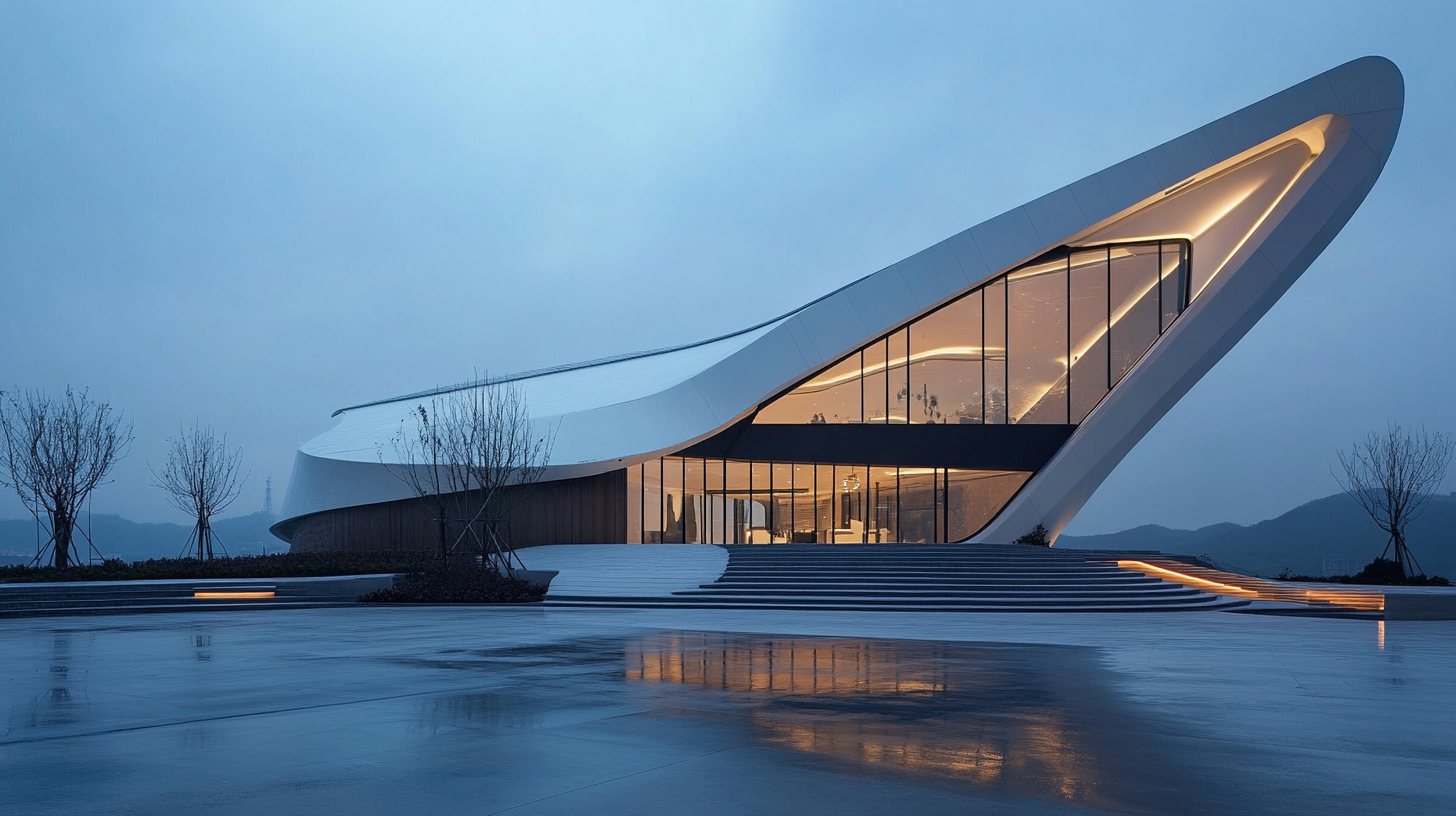
Aluminum profiles have not just revamped the architectural landscape of the apparent functional advantage in the current aesthetic design, but have also become a great canvas for creative work. Reported by Research and Markets, the aluminum profiles market at the global level is envisaged to touch USD 69 billion by 2025. This signifies the demand for aluminum as a raw product in contemporary architecture. The reason for this freedom in innovation, possibility of forming structures, making them beautiful and at the same time functional, lies in aluminum's weight-to-strength ratio and corrosion resistance.
Aluminum profiles, having various aesthetic advantages, also prove to be a boon during this rise in demand for sustainable design. According to a study conducted by the Aluminum Association, aluminum is actually recyclable by almost 100 percent without any loss of its intrinsic properties, making it the most eco-friendly of materials. Therefore, this is in line with modern design philosophies that preach sustainability, while liberating designers in the customization of finishes and shapes. Profile shapes can spell wonderful things out of sleek modern facades to very intricate decorative forms, for walk-in commercial or residential projects.
In addition, to integrated building design aluminum profiles significantly support key architectural trends such as biophilia, which focuses on harmonizing spaces with nature. Design space is then left with aluminum-framed windows of considerable dimensions alongside sliding doors to bring natural light and outdoor views into the house. All this contributes toward increasing user experience as well as wellbeing, as supported by the World Green Building Council's findings on natural light being of vital importance in sustainable architecture. Therefore, we can summarize by concluding that sucH Aluminum Profiles will add to the structural integrity of modern buildings and at the same time add to the aesthetic and emotional aspect of a building in relation to its inhabitants.
Architectural aluminum profiles have revolutionized design and construction around the world. The way they are put to use is something apart from what they should have been: lightweight and versatile aluminum is an ideal for innovative ideas when it comes to functionality and aesthetics. The Sydney Opera House is a wonderful example that proves this-the roof system is aluminum, but it makes a contribution to the durability of the structure against the harsh weather on that part of the coast. This amazing creation shows just how aluminum can combine form and function-inspiring architects to complete even some of the most avant-garde designs.
The Torre Glòries in Barcelona, in Europe, is another reference for the impacts of profiles made of aluminum in high-rise construction-a sort of lightweight-brittle physique housing exemplified by this structure, designed by Jean Nouvel. It became so unusual because the entire facade comprises reflective aluminum sheets, changing color and appearance in daytime when viewed from different angles. This is a model case that evidences how aluminum has furthered energy efficiency and visual dynamism, beautifying skylines while constraining damage to the environment. Case studies like these emphasize the extensive acceptance regarding the innovative applications of aluminum in architectural practices around the globe.
In Asia, the Leeza SOHO in Beijing evidences the infusion of modern technology and aluminum profiles. With its stunning design, this structure incorporates curved aluminum panels, which combine the aesthetics needed in facade design with structural performance required in building design. This is an excellent example of how gracefully the bending lines of a façade can produce a captivating experience without compromising the geometric complexity of the building's interior spaces, demonstrating what architects can dream within the boundaries of what aluminum makes possible. These global case studies highlight how architectural aluminum profiles are going to make the future of modern buildings.
The progress that aluminum undergoes in architecture unquestionably paves the way for future building designs throughout the globe. With lightweight, strong, and corrosion-resistant properties, aluminum has now become an indispensable component of modern construction. This can be seen in countries like Cambodia, where a booming construction industry is recorded, and evidence is portrayed through increased imports of architectural aluminum profiles. This trend resonates worldwide, where increasing urbanization and economic development are propelling the demand for novel building construction materials.
In the Asia-Pacific region, curtain walls will constitute a market of over $12.7 billion by 2023, and from 2024 to 2032, it is expected to grow with a compound annual growth rate of about 7.9%. Rising disposable incomes and continuous urban sprawl that demand sophisticated architectural solutions underlie this growth. The general versatility and aesthetic appeal of aluminum profiles propelling the architectural revolution contains functionality designs that can also put creativity into designing aesthetics according to modern architectural trends.
Manufacturers are increasingly looking towards sustainable practices such as eco-friendly projects following the example at the World Flora Expo in Taichung, which uses recycled aluminum materials. This commitment to sustainability accentuates the future of aluminum in smart architecture, where ingenuity and eco-awareness converge into beautiful yet responsible structures. The story of aluminum in architecture is just beginning with many exciting developments to come in building design and construction techniques respectful of tradition and innovation.
The rise of aluminum profiles in modern architecture is establishing itself as a tenet of innovative design. This change does come with its share of challenges, though. As architects and builders decided to embrace these very versatile materials, they found themselves confronted by various hurdles: From the high initial costs to technical integration and environmental aspects. On top of these, complications that arise in blending aluminum profiles into the existing framework of architecture can lead to timeline and budget extensions, thereby calling for solutions to alleviate the situation.
One of the challenges is that aluminum profiles need very advanced engineering solutions for seamless integration into structural designs. Design issues concerning weight distribution and thermal insulation need to be addressed while considering the overall structural integrity. Advancements in simulation technology in recent years could make a differential contribution toward experimentation with various configurations and materials in the virtual environment before the actual implementation. Copper-based designs with artificial intelligence and reduced-order modeling would allow architects to optimize their designs so that aluminum profiles could be enablers for the structural performance of buildings and not detractors.
Most importantly, in the turbulent landscape of construction, sustainability hurdles abound concerning the acceptance of aluminum profiles. With the demand increasing for the more eco-friendly materials, the aluminum industry is innovating time and again to provide solutions that mitigate carbon emissions. Increased usage of recycled aluminum tells the story of how this industry is addressing environmental issues while still delivering high-performance materials. Accepting these sustainable approaches caters not only to regulatory pressures but is also able to meet the increasing demand from clients and society for eco-friendly building solutions. In this transition-altering landscape, which looks ever so dynamic-the use of the aluminum profile suggests an even further evolution toward more flexible and sustainable architectural designs.
Advanced technologies come around to change what aluminum did in new architecture. Innovative uses of high-strength aluminum alloys are gaining momentum in the construction industry as steel and concrete remain the traditional kings of building materials. These profiles are lightweight, possess better structural integrity, and their properties like low density, excellent corrosion resistance, and exceptional ductility make one appreciate them to their full value. Such progress in arc additive manufacturing enhanced the adoption of these materials even further by enabling rapid in-situ construction methods that have significantly reduced lead times and costs.
Most of the newly developed aluminum alloys were selected on the basis of their performance at high temperatures, especially beyond 250°C. Thus, these alloys meet the general requirements for different industries, i.e., aerospace, transportation, and everything else in between. This is especially important considering that the automotive sector is gradually making shifting to lighter materials for battery electric vehicles and hybrids. After all, aluminum is the material that makes a difference between a safe and strong battery enclosure to enhance battery performance. The claims also suggest that the modern age raises the number of electric vehicles that need new materials that can face modern applications.
The architectural world has opened its doors to new advances in stunning and phenomenal design solutions. It enables architects to have such spectacular aesthetic solutions without compromising energy efficiency or sustainability. The way technology fits with these modernized aluminum profiles clearly indicates how it is really changing the way buildings are being done today, not only to architects but builders as well. The new wave of architecture will bring with it the best opportunities for flexibility like never before, and those shapes between technology and material science create the new possibilities of architecture. Aluminum profiles will be at the very base of modern-designed buildings.
Aluminum profiles are highly energy-efficient, with modern production methods consuming up to 95% less energy than in the past. They are also 75% recyclable, contributing to a circular economy that minimizes waste and resource depletion.
Aluminum profiles offer significant advantages such as high strength-to-weight ratios, thermal resistance, and lightweight composition, making them ideal alternatives to traditional materials for innovative and resilient architectural designs.
Yes, recent advancements in high-strength aluminum alloys allow them to withstand temperatures of up to 400°C, which is particularly beneficial for industries requiring durable and efficient materials.
Architects utilizing recyclable aluminum profiles in their designs not only comply with environmental regulations but also contribute to sustainable building practices, reflecting a growing awareness of sustainable construction.
Yes, landmark projects include the Sydney Opera House, which uses aluminum for its roofing, and Torre Glòries in Barcelona, known for its reflective aluminum façade that enhances energy efficiency and aesthetic appeal.
The global green building market is projected to exceed $3 trillion by 2025, indicating that the demand for sustainable materials like aluminum profiles is set to rise significantly amidst growing consumer awareness.
Aluminum profiles provide design versatility that aligns with modern aesthetic trends, allowing architects to explore innovative forms and functions while ensuring durability.
The use of aluminum profiles in building designs can enhance energy efficiency due to their lightweight nature and ability to reflect light, thus reducing the need for artificial lighting and heating.
Industries like aerospace, transportation, and automotive are leveraging aluminum profiles for their lightweight and high-strength properties to enhance performance and fuel efficiency.
Recycling aluminum significantly reduces the carbon footprint associated with new aluminum production, allowing for multiple recycling cycles without degrading material quality, which supports sustainable building practices.




 wechat