In the world of manufacturing and construction, choosing the right kind of Structural Aluminum Extrusions is pretty important if you want your project to succeed and last. I mean, according to a report by Grand View Research, the global aluminum extrusion market is forecasted to hit around $102.4 billion by 2025. That's mainly thanks to rising demand across industries like auto, aerospace, and building stuff. 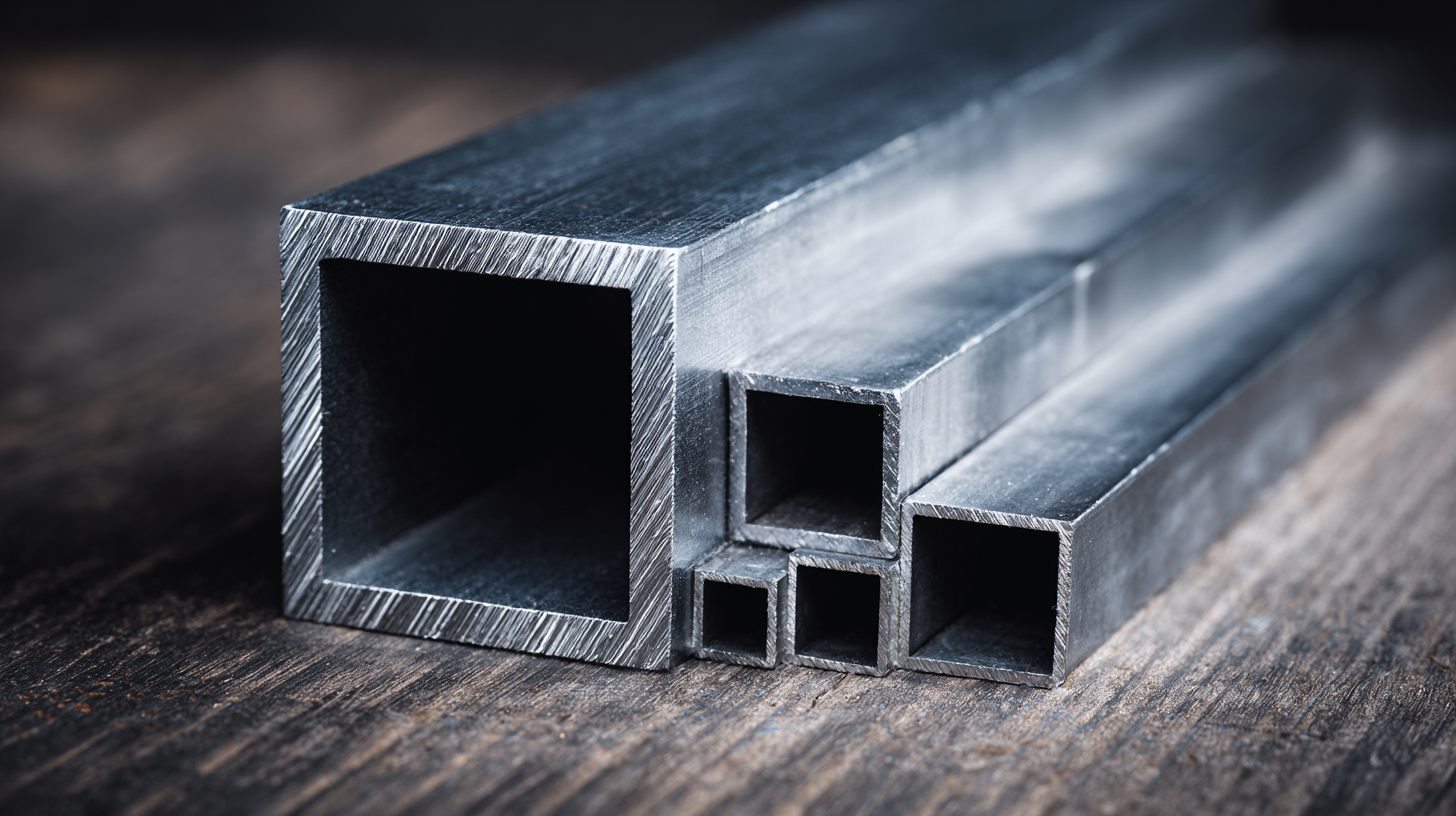 Take Haixuan Metal Aluminium Profile Co., Ltd.—they've been around since 2011 and have established themselves as a top player in the field. They focus on designing, developing, manufacturing, and selling top-quality Aluminum Profiles. Over the years, they’ve gained tons of experience and are really dedicated to offering solutions that fit different project needs, making sure their products are durable and perform well through advanced manufacturing techniques. Honestly, understanding how to pick the right structural aluminum extrusions can make a big difference—it's a key factor that can impact how smoothly your project goes and how effective the final result is. So, yeah, this stuff really matters for anyone in the game.
Understanding the Basics of Structural Aluminum Extrusions
So, if you're starting out on a project that involves structural parts, it’s pretty important to get a basic hang of structural aluminum extrusions. Basically, these are shaped pieces made by pushing aluminum alloy through a mold or die. They're super versatile and are used in tons of industries—think construction, aerospace, you name it. To give you an idea, the Aluminum Association mentioned that the global market for aluminum extrusions was around $61 billion back in 2021, and it’s expected to keep growing at about 6.1% each year up to 2028. A big reason for this crazy growth? Aluminum is lightweight and resistant to rust, which makes it perfect for structural stuff where durability and ease of handling really count.
Now, these extrusions come in all kinds of profiles and alloys, which gives designers a lot of options when it comes to shaping and functionality. For example, alloys like 6061 and 6063 are among the most popular for structural uses—they’re tough, yet easy to work with. Interestingly, a report from the Freedonia Group points out that about 40% of all aluminum extrusions in the U.S. are used in construction alone. That shows just how important it is to pick the right extrusion for your specific needs. Knowing the differences between the alloys and profiles can seriously impact how well your project ages and performs, so taking the time to research and weigh your options is totally worth it.
Key Factors to Consider When Choosing Aluminum Profiles
When you're picking out the right aluminum extrusions for your project, there are a few important things to keep in mind to make sure everything works smoothly and lasts long. First off, the alloy type is a big deal — different alloys come with their own strengths, weights, and resistance to corrosion. For example, 6061 aluminum is pretty popular because it’s easy to weld and machine, while 6063 works better for those fancy, detailed shapes thanks to its superior finish and extrusion qualities. By the way, some industry stats suggest that choosing the right alloy can actually impact how long your component lasts by up to 30%. So, it’s definitely worth matching your material choice carefully to what your project needs.
Then, there’s the profile design, which is just as crucial because it affects how well the structure performs and how sturdy it is. You want to make sure the profile is designed specifically to handle the loads and stresses it’ll face. Some engineering studies have shown that optimizing these shapes can cut down weight by around 15% without sacrificing strength or safety. Oh, and don’t forget about the surface finish — whether it’s anodized or just mill-finished — because that can really make a difference in how well it stands up to environmental factors, making your extrusions last even longer. All in all, taking your time to choose the right materials and design details will definitely pay off in the end, leading to a successful project all around.
Ultimate Guide to Choosing the Right Structural Aluminum Extrusions for Your Project
This chart illustrates the key factors that influence the selection of structural aluminum extrusions based on their application. The data represents a survey of industry professionals regarding the importance of various criteria in choosing aluminum profiles.
Comparing Different Types of Aluminum Alloys for Extrusions
When you're picking out structural aluminum extrusions for your project, it’s pretty important to get a good handle on the different types of aluminum alloys out there. Basically, alloys fall into two main categories: wrought and cast. But for extrusions, wrought alloys are by far the most common. They’re known for being strong and versatile, often falling into series like 6000 and 7000. In particular, the 6000 series gets a lot of love because it resists corrosion well and is easy to work with, so it’s a solid choice for all kinds of structural applications.
If you look at the different aluminum alloys, each has its own perks. For example, 6061 is pretty much everyone’s go-to because it’s strong and adaptable—great for load-bearing stuff. On the other hand, 6063 is softer and more flexible, which makes it perfect for intricate shapes and architectural details. Knowing these differences really helps engineers and designers pick the right alloy that fits their project needs, budget, and performance goals. That way, they end up with a final product that’s not just durable, but efficient too.
Design Considerations for Effective Aluminum Extrusion Projects
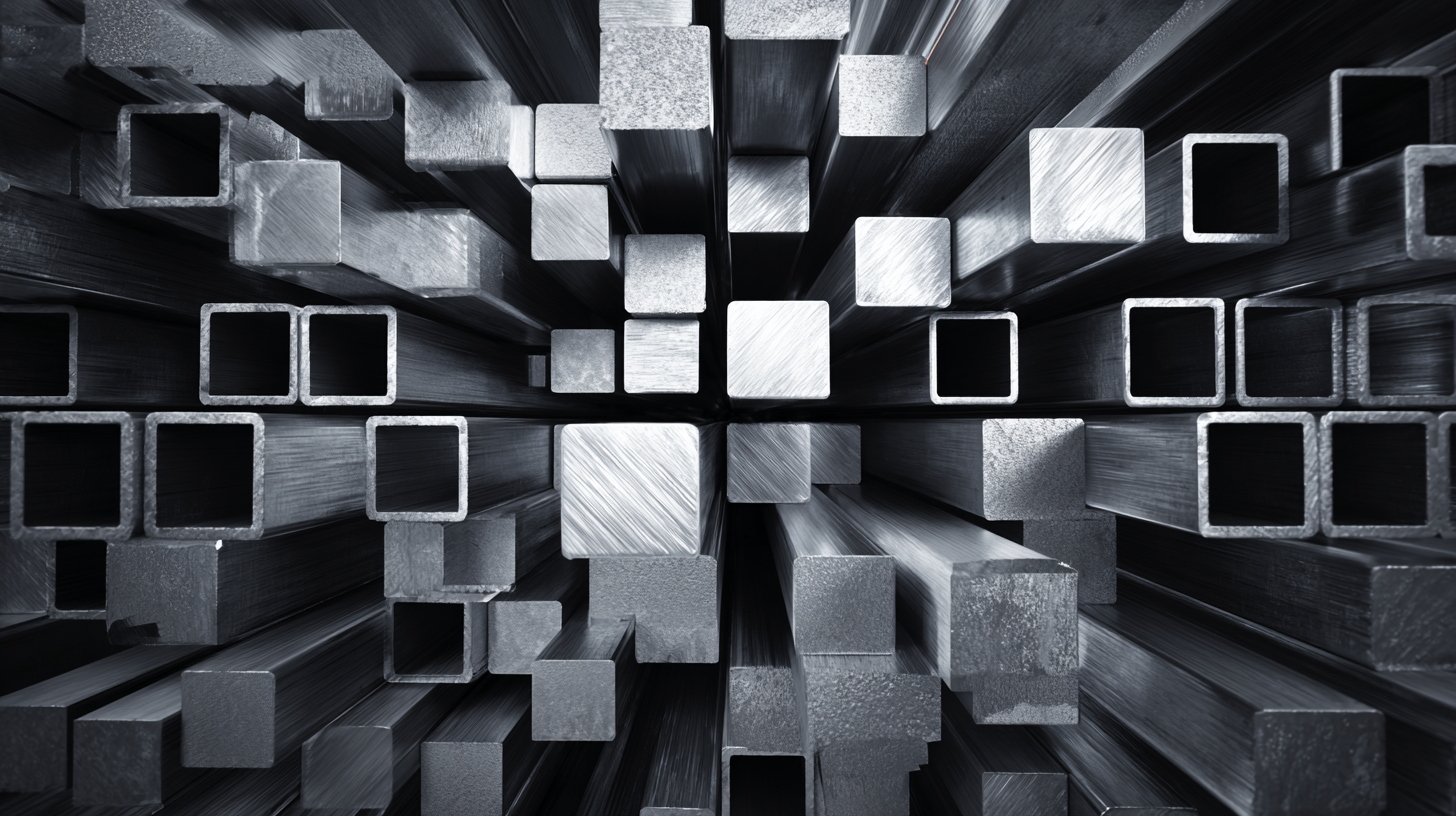
Starting an aluminum extrusion project? It's super important to pay close attention to the design — those choices really set the stage for how well everything turns out. One key thing to think about is the shape of the extruded profile. You want it to fit what you're aiming for, whether that’s strength, looks, or functionality. For example, more complex shapes might look cooler and be stronger, but they can also bump up the costs and slow things down in production. So, it’s all about finding that sweet spot — balancing anything fancy with practicality.
Another big decision is picking the right alloy. This choice can totally impact the whole process and how the final product performs. Different alloys come with their own perks — some are stronger, some resist corrosion better, and others handle heat or electricity more efficiently. Knowing what your project needs — like durability for outdoor use, or the ability to withstand mechanical stresses — will help you pick the best alloy. And don’t forget about surface treatments or finishes — they can really boost how durable and good-looking your product turns out, making sure it checks all the boxes both visually and functionally.
Common Applications of Structural Aluminum Extrusions
You know, structural aluminum extrusions are really gaining popularity across all sorts of industries these days, mainly because they’re so versatile and durable. You’ll find them everywhere—from aerospace and automotive to construction and even furniture making. According to the Aluminum Association, the demand for these extrusions in North America is expected to grow around 6% each year until 2025. That’s mainly thanks to aluminum’s lightweight nature and how well it resists corrosion. For example, in the aerospace world, using aluminum extrusions can seriously cut down weight, which basically means better fuel efficiency for planes.
If you're thinking about using structural aluminum extrusions for your project, it’s a good idea to pay attention to their mechanical properties and surface finishes. Alloys like 6061 and 6063 are pretty popular because they’re strong and easy to work with—perfect for situations that need a bit of extra strength. Oh, and a quick tip: consider the environment where your extrusions will be used. If it’s outdoors or in harsh conditions, going for anodized extrusions can really boost their resistance to corrosion.
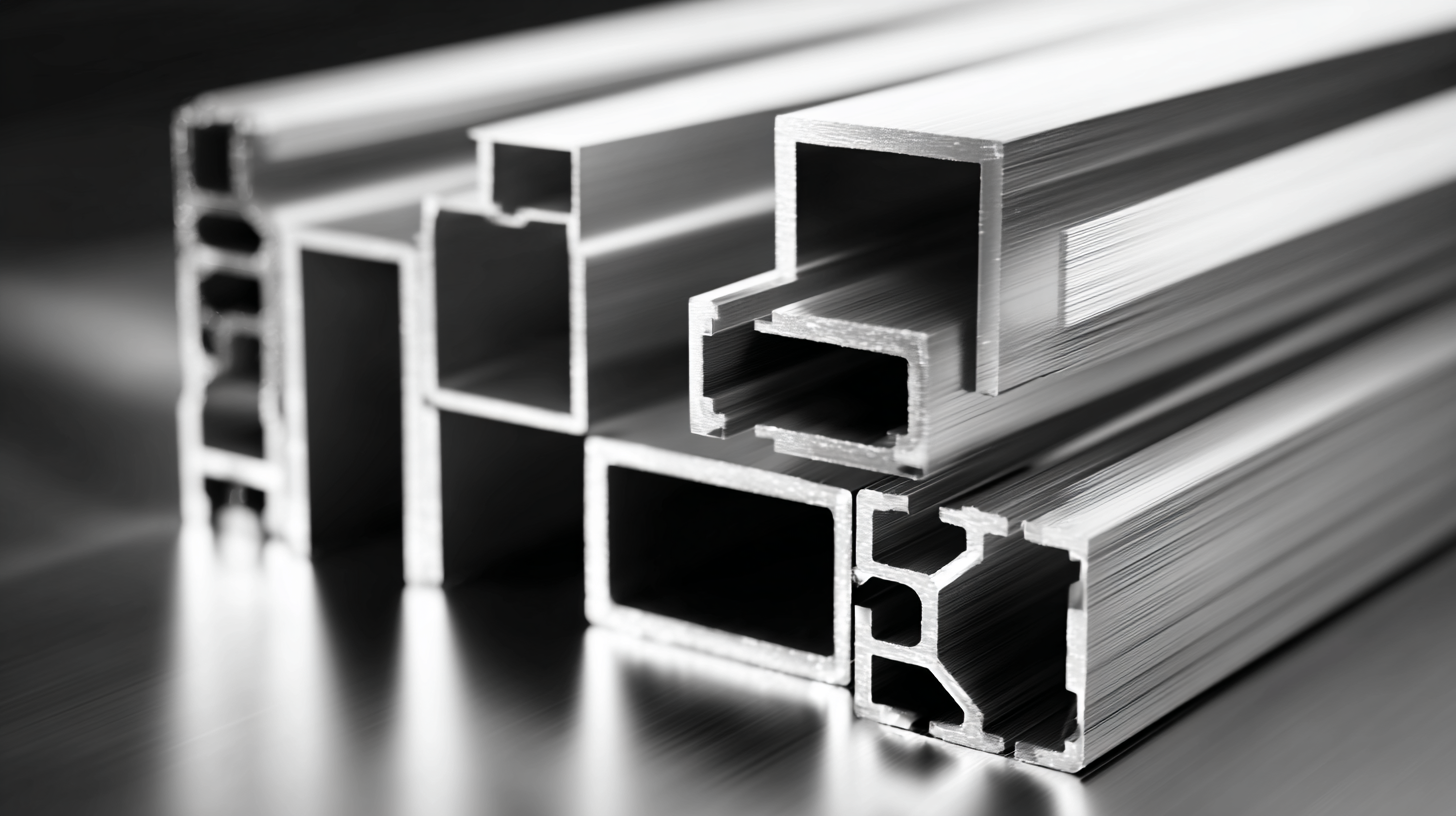
Another thing I’d mention is how flexible design-wise aluminum extrusions are. They can be shaped into pretty complex profiles, which really opens up creativity for building and product design. If you can, team up with a manufacturer that offers design support. They can help you tweak your profiles for maximum efficiency, look, and of course, sticking to your budget. It’s all about making sure you get the best out of your project without overcomplicating things.
Tips for Sourcing Aluminum Extrusions Effectively and Cost-Effectively
When you're looking to source aluminum extrusions in a way that's both effective and budget-friendly, it's super important to get a good grasp of how the market’s really ticking. I came across a recent report from the Aluminum Association that says the global market for aluminum extrusions is expected to grow at around 6.3% annually from 2021 to 2028. This growth is mainly fueled by rising demand in areas like transportation, construction, and consumer goods. All this nice growth means there are some pretty exciting opportunities, but also a few hurdles for manufacturers and suppliers trying to find dependable sources.
To really make the most out of your budget, doing your homework on the market is a must. Partnering up with established suppliers can help you lock in better prices and still get quality stuff. A report from Grand View Research mentioned that distributors who stick with their extruder partners for the long haul often score discounts on bulk orders—definitely helpful for keeping project costs in check. Also, looking into local suppliers can be a game-changer because it cuts down on lead times and shipping costs, making your projects more flexible and responsive to surprises along the way. By keeping these tips in mind, you can sharpen your purchasing process and make sure you're getting the right aluminum extrusions for whatever you need — no stress!
Ultimate Guide to Choosing the Right Structural Aluminum Extrusions for Your Project
| Dimension | Alloy | Applications | Weight (lbs/ft) | Cost per Foot ($) |
| 1"x1" | 6061 | Frames, Banners | 0.72 | 2.50 |
| 2"x2" | 6063 | Structural Support, Railings | 1.44 | 4.00 |
| 1"x2" | 6005 | Furniture, Displays | 0.92 | 3.00 |
| 3"x1" | 6082 | Heavy Duty Structures | 1.82 | 6.50 |
| 2"x3" | 7075 | Aerospace, High-Stress Applications | 1.80 | 7.00 |
Exploring the Advantages of Custom High-Quality Anodized Aluminum Tubing: Insights from Industry Reports on 6061, 6063, and 6082 Alloys
In the world of manufacturing and construction, the choice of materials can significantly impact product performance and durability. Custom high-quality anodized aluminum tubing, particularly alloys like 6061, 6063, and 6082, offers unparalleled benefits for a variety of applications. Industry reports highlight that these alloys provide enhanced strength-to-weight ratios, making them ideal for lightweight yet robust structural components. For instance, 6061 is known for its good mechanical properties, while 6063 is favored for its excellent corrosion resistance, particularly in architectural applications.
Custom solutions are essential in many industries, allowing engineers to specify the exact dimensions and shapes needed for their projects. Whether you require square tubes, rectangular tubes, round pipes, or even more complex profiles like trapezoidal and semicircular tubes, tailored aluminum solutions facilitate optimal design flexibility. Recent industry analyses reveal that bespoke dimensional specifications can increase production efficiency and reduce material waste, ultimately driving down costs. Moreover, the anodization process not only enhances the aesthetic appeal but also significantly boosts the corrosion resistance of these aluminum products, ensuring they perform well even in harsh environments.
As the demand for high-performance materials continues to rise, investing in custom anodized aluminum tubing made from 6061, 6063, and 6082 alloys provides a competitive edge. By leveraging advanced manufacturing techniques and high-quality anodization processes, companies can achieve durability, aesthetic appeal, and sustainability in their products, setting themselves apart in the competitive marketplace.
FAQS
: Structural aluminum extrusions are shapes created by forcing aluminum alloy through a die, commonly used in various industries including construction and aerospace due to their lightweight and corrosion-resistant properties.
The global aluminum extrusion market was valued at approximately $61 billion in 2021 and is projected to grow at a rate of 6.1% annually through 2028, driven by the demand for lightweight and corrosion-resistant materials.
The most commonly used alloys for structural applications are 6061 and 6063, known for their excellent mechanical properties and workability.
Wrought aluminum alloys are the most commonly used for extrusions due to their strength and versatility, while cast alloys are typically used for different applications.
The 6061 alloy is known for its high tensile strength and adaptability for load-bearing applications, whereas the 6063 alloy is softer and more malleable, making it suitable for intricate shapes and architectural features.
Important design considerations include the geometry of the extruded profile, load-bearing capacity, aesthetic appeal, alloy type, and surface treatments to enhance durability and appearance.
The choice of aluminum alloy significantly influences the extrusion process and the final product's performance, affecting factors like strength, corrosion resistance, and mechanical stresses.
The construction sector accounts for around 40% of aluminum extrusions used in the United States, highlighting its significance in structural applications.
Understanding different aluminum alloy characteristics helps engineers and designers select the right material for their project specifications, budget, and performance requirements, ensuring durability and efficiency.
It's essential to balance innovation and practicality, as complex shapes may enhance structural integrity but could increase production costs and manufacturing time.
Conclusion
Hey there! In our 'Ultimate Guide to Picking the Perfect Structural Aluminum Extrusions for Your Project,' we cover all the essential things you need to know about choosing the right aluminum profiles for your specific needs. Honestly, getting a good grasp of the basics is super important because it really lays the groundwork for making smart, informed choices. You’ll want to think about things like what you’re actually using the extrusion for, its mechanical strength, and how well it can handle different environmental conditions. We also take a look at the different types of aluminum alloys out there, highlighting what makes each one special and how they benefit your extrusion work.
Design is a really big deal if you want your project to turn out successful and run smoothly. These structural aluminum extrusions are used all over the place — in various industries — so finding the right ones without breaking the bank is pretty crucial. By the way, Haixuan Metal Aluminium Profile Co., Ltd., has been a top player in this game since 2011. They’re experts in researching, developing, and manufacturing high-quality aluminum profiles, helping businesses get the perfect aluminum solutions for their projects — and trust me, they know their stuff!









 wechat