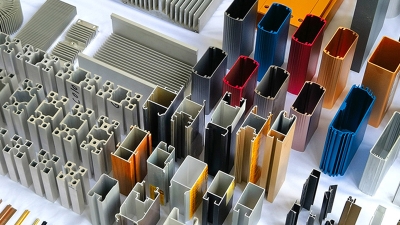
In today's fast-changing world of the aluminum industry, finding reliable, high-quality suppliers for Aluminum Profiles is more important than ever. If you haven't kept up, the latest industry reports from theAluminum Association suggest that worldwide demand for aluminum is expected to grow by over 5% each year until 2025. That really underscores why sourcing top-notch suppliers matters big time.
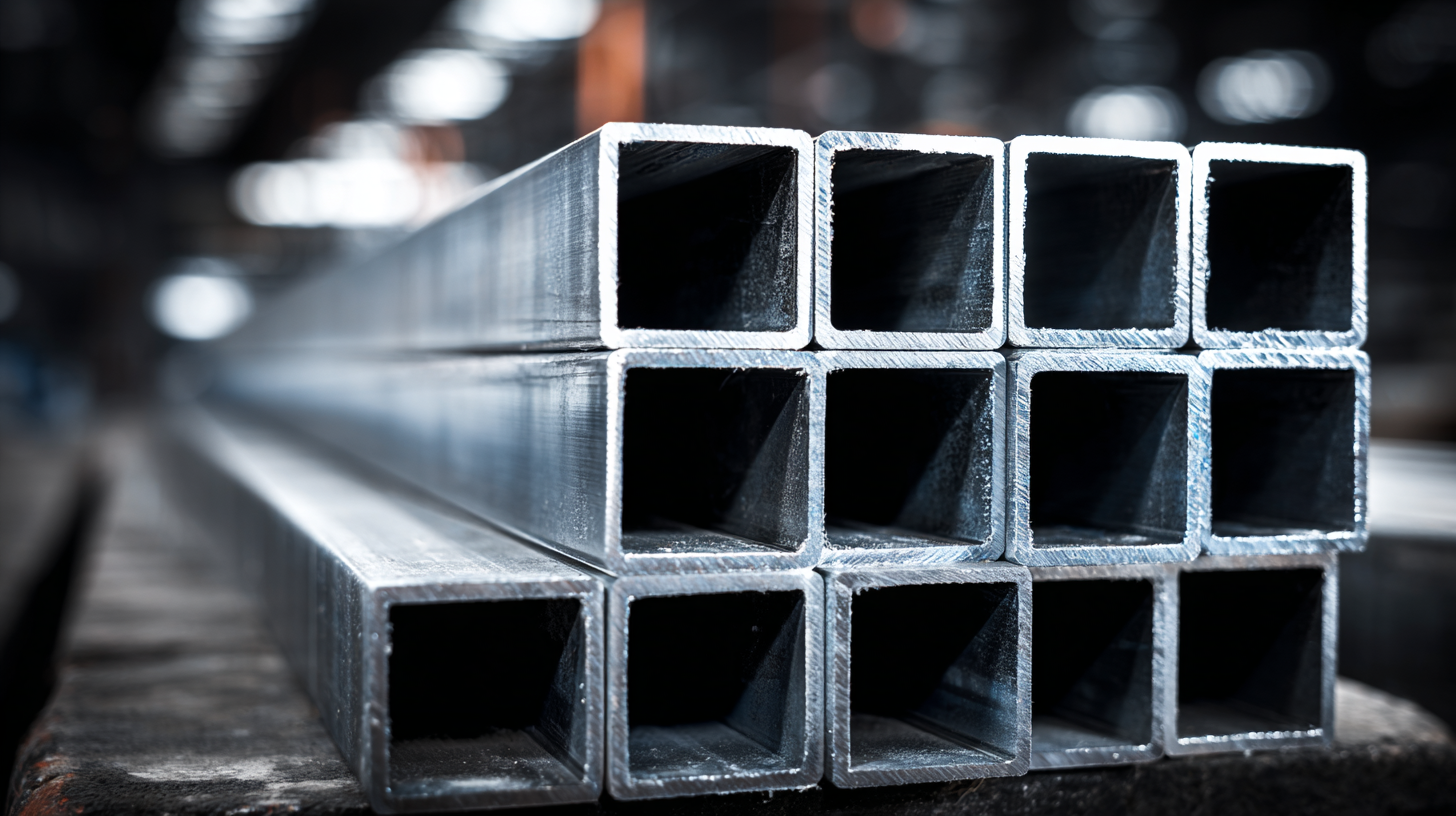
One company that's been making waves in this space is Haixuan Metal Aluminium Profile Co., Ltd. — a well-known OEM established back in 2011. With over a decade of hands-on experience in R&D and sales, they’ve really positioned themselves as leaders in producing and researching aluminum profiles. As the market keeps changing, it’s more important than ever for companies to use data and insights when choosing their suppliers. Doing so helps ensure their supply chains run smoothly and they can meet their customers’ growing expectations. Honestly, staying ahead in this game is all about making smart, informed choices — and Haixuan seems to be doing just that.
Identifying Key Performance Indicators for Evaluating Aluminum Profile Suppliers
When you're on the hunt for good suppliers of aluminum profiles, it’s really important to figure out what key performance indicators (KPIs) you should be looking at. Basically, KPIs are these measurable things that give you a clear picture of how a supplier is doing—like, are they reliable and consistent? Some common ones to keep an eye on include how quickly they deliver, the quality of their products, how responsive their customer service is, and whether their pricing stays pretty steady. Setting up these indicators makes it way easier to sift through options and find partners who not only meet industry standards but maybe even go beyond them.
Another thing to keep in mind is the financial health of the supplier. A company that's financially solid is more likely to keep up production without hiccups and might even be willing to invest in newer tech and better resources down the line. Plus, it’s a good idea to check out what others say about them—reviews from customers or any recognition they’ve earned in the industry can tell you a lot about how reliable they really are and how good their service is. Making good use of industry data and insights can really help you get a full picture, so you can make smart choices that fit your business goals. And hey, building long-term relationships with suppliers can make all the difference in the world when it comes to sourcing aluminum profiles that last and perform well.
Analyzing Global Supply Chain Trends in the Aluminum Industry
In the ever-changing world of the aluminum industry, keeping an eye on global supply chain trends is more important than ever if you want to find suppliers who can truly deliver the quality needed for today's manufacturing demands. I recently came across a report from Statista that forecasts the worldwide aluminum market hitting around 280 million metric tons by 2026. That growth is mainly driven by booming automotive and construction sectors. With so much happening, it’s a competitive game out there—manufacturers really need to use industry insights to pick suppliers who can provide reliable, high-quality aluminum profiles.
At Haixuan Metal Aluminium Profile Co., Ltd., which we founded back in 2011, we really get how crucial data-driven decisions are. The industry has gone through some big shifts recently—especially in countries like China, which now accounts for more than half of global aluminum production. That kind of concentration makes it even more important to build strong, trustworthy supplier networks. By focusing on new tech and sustainable practices, companies can find suppliers that not only deliver top-notch quality but also align with global efforts for sustainability. That way, we can build more resilient supply chains down the line. As manufacturers keep navigating these trends, making good use of industry data will be a big part of forming partnerships that encourage quality and spark innovation.
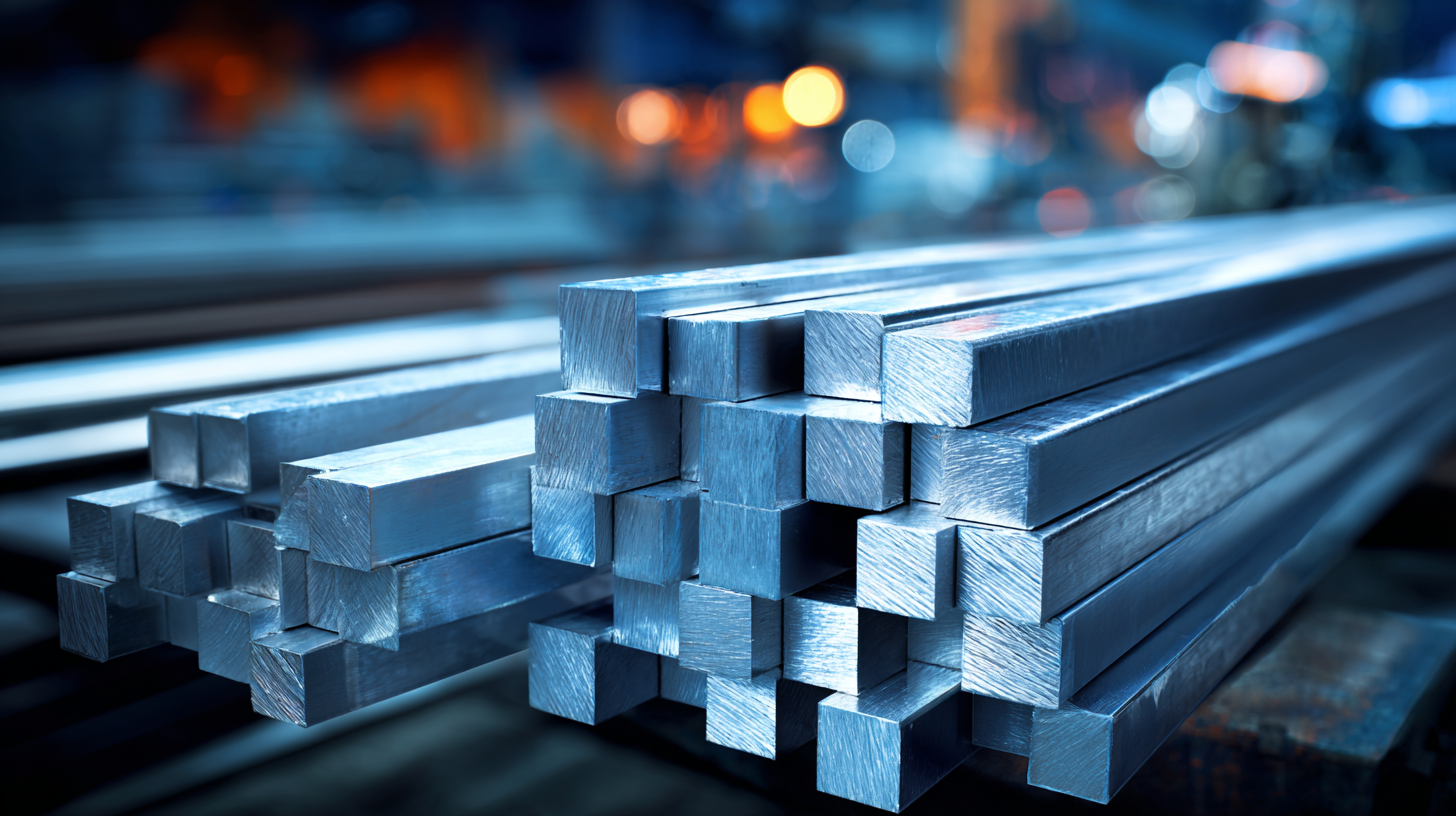
Utilizing Industry Reports to Assess Supplier Competitiveness
When you're trying to find good quality suppliers for aluminum profiles, using industry reports can really give you a leg up. These reports often offer detailed insights into market trends, pricing, and the latest tech advances—things that can influence whether a supplier can actually meet your needs. If you take a close look at things like their production capacity and delivery stats, as shown in these reports, you can make smarter decisions about which suppliers are likely to be around and thriving in the long run.
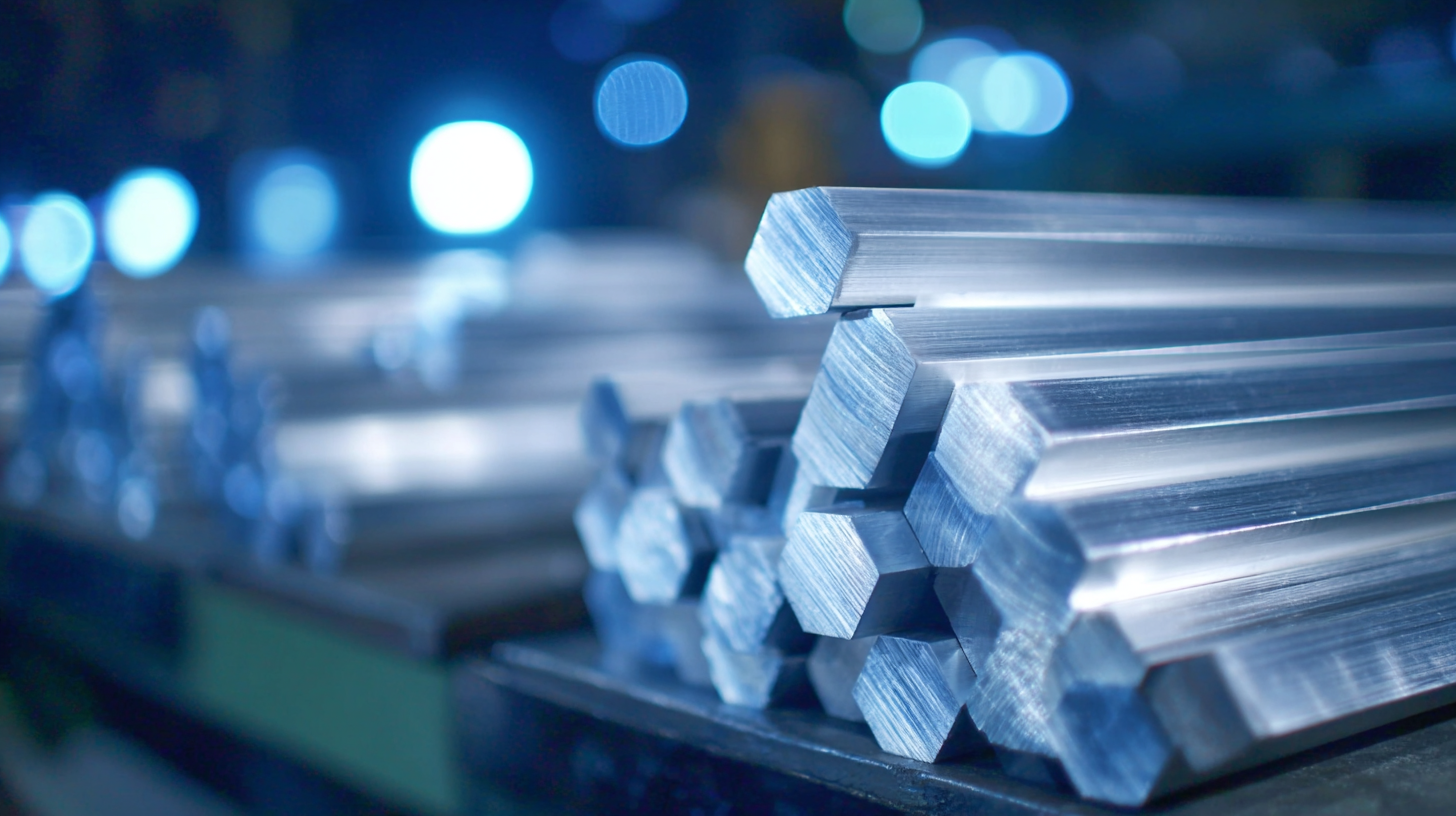
Plus, a lot of these reports include benchmarking data, so you can see how potential suppliers stack up against industry standards and their competitors. This kind of market landscape view helps you spot not just the big players in quality and dependability, but also any vendors pushing the envelope with innovation. Getting a sense of where a supplier stands in the larger picture can really help you choose partners who not only tick your immediate boxes but can also grow with you as the industry changes. It’s all about finding those long-term fits, you know?
Understanding Quality Standards and Certifications for Aluminum Profiles
Finding good suppliers for aluminum profiles isn’t just about the price—you really gotta get a handle on their quality standards and certifications. You know, things like ISO 9001 and the Aluminum Stewardship Initiative (ASI) badge are pretty much the gold standard when it comes to showing a company’s commitment to quality and being eco-friendly. When a supplier has these certifications, it’s a good sign they’re serious about meeting industry norms and also about responsible sourcing and sustainability. That’s becoming more important now, especially with what consumers and regulators are demanding.
So, a solid tip: always ask for proof of their certifications and see how they handle quality control. Plus, it helps to look into how they’ve performed in the past—stuff like their track record in sectors like electric vehicles, where the aluminum’s gotta be top-notch for both safety and performance. Reports show more and more demand for high-quality aluminum in all sorts of industries, so picking a supplier that can deliver consistent quality really pays off.
And here’s an interesting tidbit—companies that use advanced manufacturing tech tend to grow a lot faster. Picking suppliers that invest in innovation can make them more efficient and improve their product quality, making them more competitive out there. Basically, when choosing a supplier, don’t just look at certifications—think about their tech capabilities too. It’s all about finding a partner who can keep up with your standards and push innovation forward.
Leveraging Data Analytics for Supplier Performance Evaluation
In today’s competitive world, finding good suppliers is super important for businesses—especially when you’re after the Best Aluminum Profiles. Using data analytics really helps here; it’s like having a behind-the-scenes look at how your suppliers are actually performing. When you analyze past data, current market trends, and what suppliers are capable of, you get a clearer picture of who’s reliable, offers quality products, and complies with standards. This way, you can avoid nasty supply chain hiccups down the line.
Diving into industry data gives companies a handy way to compare suppliers through key performance indicators—things like how quickly they deliver, quality checks, and pricing. Plus, with advanced analytics tools, it’s easier than ever to keep tabs on supplier performance over time and spot patterns that can guide your future choices. Taking a data-driven approach like this helps your business pick partners who not only meet strict quality criteria but also match your operational goals and sustainability values. Especially in uncertain times, leaning on data analytics for supplier evaluation isn’t just smart—it’s pretty much essential for keeping your supply chain smooth and efficient.
How to Identify Quality Suppliers for Best Aluminum Profiles Using Industry Data Insights - Leveraging Data Analytics for Supplier Performance Evaluation
| Supplier ID | Location | Material Quality Score | Delivery Time (Days) | Cost per Unit ($) | Customer Rating (Out of 5) | Sustainability Practices |
| S001 | USA | 9.2 | 15 | 4.50 | 4.8 | Yes |
| S002 | Germany | 8.7 | 20 | 5.00 | 4.6 | Yes |
| S003 | China | 8.0 | 25 | 3.75 | 4.2 | No |
| S004 | India | 9.0 | 18 | 4.25 | 4.7 | Yes |
| S005 | Canada | 9.5 | 12 | 4.80 | 4.9 | Yes |
Assessing the Impact of Sustainability Practices on Supplier Selection
When you're choosing good suppliers for aluminum profiles, it’s really important to consider their sustainability practices as a key factor. Nowadays, companies know that picking a supplier isn’t just about cost or quality — it’s about looking at how they impact the environment too. Things like responsibly sourcing materials and cutting back on carbon emissions show that a supplier genuinely cares about the planet. Plus, more and more consumers are into eco-friendly products, so it’s definitely a smart move.
Here at Haixuan Metal Aluminium Profile Co., Ltd., we’ve been around since 2011, and we truly get how important it is to weave sustainability into our supply chain. As a top OEM, we’ve invested in new tech and processes aimed at reducing waste and saving energy. Our commitment to eco-friendly practices means our aluminum profiles not only meet industry standards but also help give back to the environment. By teaming up with suppliers who share our values, we stay competitive in the market, all while fostering a culture of environmental responsibility — because making a difference matters to us.
Exploring the Versatility and Benefits of Custom Aluminum Alloy Profiles for Industrial Applications
Custom Aluminum Alloy Profiles, specifically 6061, 6063, and 6082, are increasingly preferred choices within industrial applications due to their unrivaled versatility and inherent benefits. According to a recent report from the Aluminum Association, aluminum alloys demonstrate exceptional strength-to-weight ratios, with 6061 aluminum exhibiting tensile strength up to 310 MPa, making it suitable for demanding environments. The intrinsic properties of these alloys allow for extensive customization, enabling manufacturers to create profiles that precisely match their operational requirements.
The durability and corrosion resistance of these profiles are critical factors in their use across a variety of industries, including aerospace, automotive, and construction. A study published in the Journal of Materials Science highlights that aluminum alloy 6063, known for its excellent extrudability, is ideal for complex shapes and intricate designs. This not only enhances the aesthetic appeal of products but also contributes to their functionality. The ability to tailor specifications, such as wall thickness and cross-sectional geometry, allows engineers to optimize design while maintaining structural integrity.
Moreover, advancements in aluminum extrusion technology have further expanded the potential applications of custom profiles. As noted in a report by Freedonia Group, the global demand for aluminum extrusion is expected to grow by over 5% annually, driven by the increased adoption of lightweight materials in manufacturing. Custom aluminum alloy profiles not only meet these emerging demands but provide essential solutions to enhance productivity and efficiency in industrial projects. These attributes underscore the importance of selecting the right aluminum alloy for industrial applications, ensuring reliability and long-lasting performance.
FAQS
: KPIs are measurable values used to assess a supplier's performance and reliability, commonly including metrics like delivery time, product quality, customer service responsiveness, and pricing consistency.
A financially sound supplier is more likely to maintain consistent production capabilities and invest in better technology and resources, ensuring reliable delivery of products.
Evaluating a supplier’s market reputation through customer feedback and industry recognition provides insights into their reliability and service quality, critical for making informed supplier choices.
Data analytics enables businesses to assess supplier reliability, quality, and compliance by analyzing historical data and current market trends, ultimately reducing the risk of supply chain disruptions.
Businesses can utilize industry data insights to compare suppliers against KPIs like delivery timelines, quality control measures, and pricing strategies, providing a basis for evaluating their performance.
Advanced analytics tools track supplier performance over time, revealing patterns that facilitate informed future sourcing decisions and enhance the overall supplier selection process.
A data-driven approach ensures that organizations partner with suppliers that not only meet quality standards but also align with operational goals and sustainability initiatives, optimizing supply chains.
Without data analytics, businesses may face increased risks of supply chain disruptions, resulting in poor decision-making and potential losses due to unreliable supplier relationships.
Analyzing historical data helps in evaluating a supplier’s past performance, enabling businesses to predict future reliability and identify any potential issues before they affect the supply chain.
The ultimate goal is to streamline the supplier selection process, ensuring partnerships with suppliers who exceed market standards and contribute to long-term procurement success.









 wechat