You know, IndustriaL Aluminum Profiles are pretty much essential in today’s manufacturing world. I was chatting with John Smith over at Aluminum Solutions Inc., and he mentioned, *“The versatility of Industrial Aluminum Profiles really opens up loads of possibilities when it comes to design and production.”* These profiles are cool because they’re light but super sturdy, making them perfect for a whole bunch of different uses.
What’s great is how flexible they are — industries can tweak and improve their processes, come up with innovative designs, and ultimately save money on materials while boosting efficiency. But here’s the thing — not everyone’s onto this yet. Some manufacturers are still stuck using old-school materials, which can seriously hold them back.
Taking the time to understand both the perks and the challenges of Industrial Aluminum Profiles is really important if a business wants to grow. Knowing what’s possible helps companies make smarter decisions. Still, there’s quite a gap in knowledge around this topic, which just goes to show we need ongoing education and a willingness to adapt if we want to stay ahead of the game.
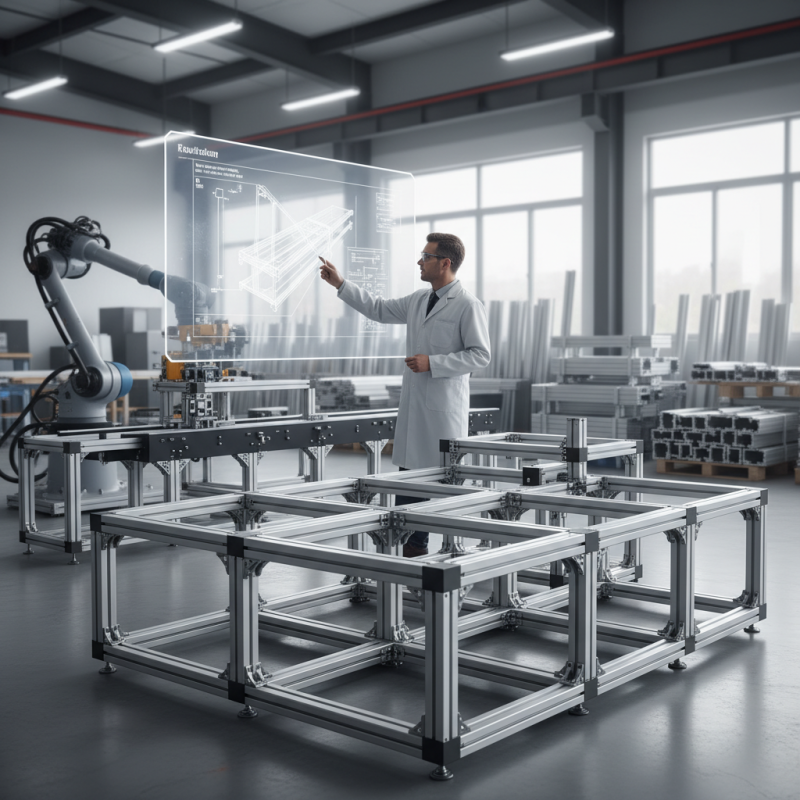
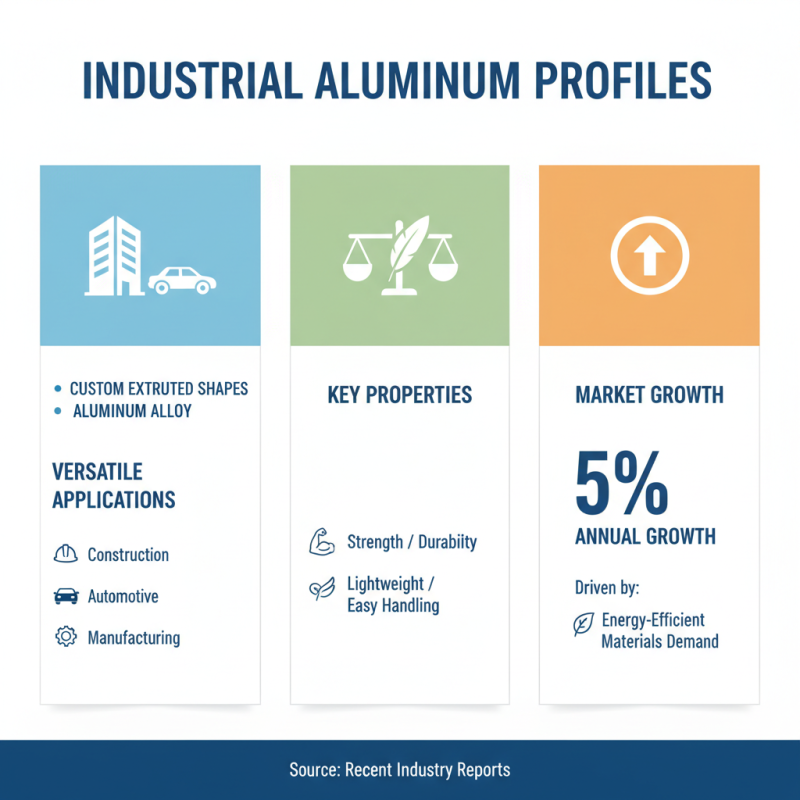
Industrial aluminum profiles are essential components in various sectors. They are custom extruded shapes made from aluminum alloy. The unique properties of these profiles make them suitable for diverse applications, including construction, automotive, and manufacturing. Their lightweight nature allows for easy handling, while their strength ensures long-lasting performance. According to recent industry reports, the global market for aluminum profiles is expected to grow by 5% annually. This growth is driven by increased demand for energy-efficient materials.
When considering industrial aluminum profiles, think about their versatility. These profiles can be fabricated into different shapes and sizes, allowing for tailored solutions. They are corrosion-resistant, making them ideal for outdoor applications. Moreover, aluminum's recyclability adds an eco-friendly dimension. However, the manufacturing process can be complex. Quality control is essential to avoid defects in the final product.
Tips: Always verify the specifications of aluminum profiles. Precision matters. Look for trusted suppliers that prioritize quality. Ensure that their profiles meet industry standards. This attention to detail can save time and money in the long run. Embracing innovations in China Industrial Aluminum Profiles can lead to significant advancements in product design and efficiency. Be cautious, as neglecting quality control can lead to costly errors.
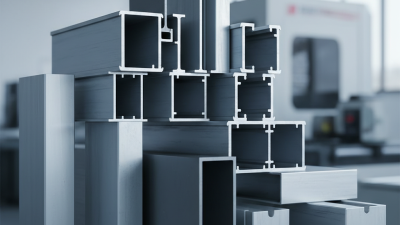
Industrial aluminum profiles are made from high-quality aluminum alloy. These profiles are crafted through processes like extrusion. Common shapes include angles, channels, and tubes. Their lightweight nature makes them popular in various industries. They offer strength and flexibility, adapting well to different applications.
When considering the composition, purity matters. High-purity aluminum enhances durability. Additives like magnesium and silicon improve performance. These components contribute to better corrosion resistance, which is vital in harsh environments.
Tips: Always check the specifications for the best outcomes. Different applications may require different alloy compositions. The most suitable choice impacts the overall efficiency of your project. Experimenting with various profiles helps in identifying the best fit for your needs. Keep in mind that not every profile works perfectly for all applications. Choose wisely based on the specific requirements and conditions. Embracing variations leads to innovative solutions in using the Best Industrial Aluminum Profiles.
Aluminum profiles are produced through several key manufacturing processes. These methods include extrusion, die casting, and machining. Each process has unique advantages and applications.
In extrusion, aluminum is heated and forced through a shaped die. This results in long, continuous profiles that can be cut to size. The extrusion process allows for intricate designs with excellent strength-to-weight ratios. However, it may not be suitable for highly complex shapes without careful consideration.
Die casting involves pouring molten aluminum into molds, creating precise and intricate shapes. This method is great for high-volume production. Yet, it can lead to higher costs if not managed properly. Machining, on the other hand, shapes pre-existing aluminum using cutting tools. It offers flexibility for custom designs but can be time-consuming, affecting production speed. Working with an Industrial Aluminum Profiles Supplier can help businesses navigate these processes effectively.
Industrial aluminum profiles play a vital role across various sectors. They are widely used in construction, automotive, and manufacturing industries. These profiles offer strength and flexibility, making them an ideal choice for structural applications. Lightweight yet sturdy, they help reduce overall project weight without compromising integrity.
In the construction sector, aluminum profiles are frequently utilized for framing and roofing systems. Their resistance to corrosion ensures durability in harsh environments. In automotive applications, these profiles can be found in parts like chassis and body structures. They enhance fuel efficiency due to their reduced weight. Manufacturing often employs these profiles for assembly lines, showcasing their versatility and adaptability.
Despite their many advantages, challenges exist. Sourcing from an inexperienced Industrial Aluminum Profiles Manufacturer might lead to quality issues. Design limitations can occur if the profiles are not tailored to specific needs. Careful consideration is necessary during the selection process to avoid potential pitfalls. By addressing these challenges, industries can fully harness the benefits of industrial aluminum profiles.
Aluminum profiles play a crucial role in various industries. Their lightweight yet sturdy nature makes them ideal for diverse applications. According to a recent market report, the global aluminum profiles market is projected to reach $120 billion by 2026, driven by increasing demand in construction and manufacturing sectors.
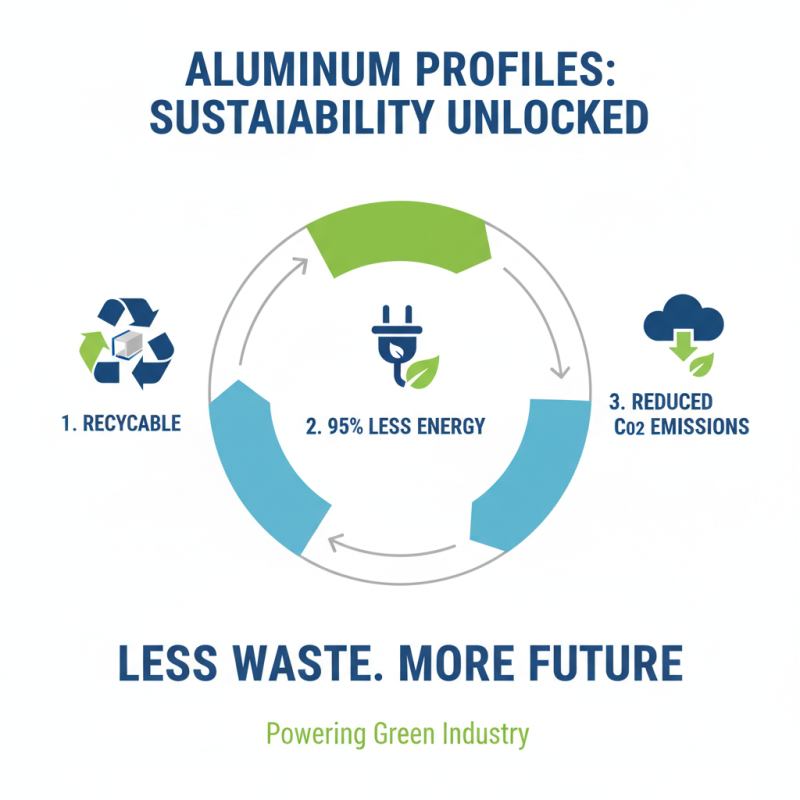
One significant advantage of aluminum profiles is their corrosion resistance. They can withstand environmental factors better than many alternatives. This characteristic reduces maintenance costs for industries relying on durable materials. Additionally, aluminum is fully recyclable. Studies indicate that recycling aluminum saves about 95% of the energy required for primary production. This can appeal to companies focusing on sustainability.
However, there are challenges in adopting aluminum profiles. The cost can be higher than traditional materials like steel. Some businesses may struggle with initial investments. Moreover, despite their benefits, not every application may warrant their use. Industries must analyze their specific needs carefully. Balancing costs and efficiency remains a vital decision for manufacturers.
Aluminum profiles are gaining popularity in various industries for their environmental benefits. They are highly recyclable, which reduces landfill waste. Recycling aluminum uses only 5% of the energy needed for new aluminum production. This substantial energy saving contributes to lower carbon emissions.
Moreover, aluminum profiles are durable and lightweight. This means they require less energy to transport. In the long run, they often lead to reduced fuel consumption. However, not all aluminum production processes are equally eco-friendly. Some methods still rely on energy-intensive practices.
Designing witH Aluminum Profiles needs thoughtful consideration. As we embrace their use, we must also reflect on their sourcing and production. There is an opportunity for improvement in making every step greener. When integrated mindfully, aluminum profiles can support a more sustainable future.
The development of industrial aluminum profiles is moving towards sustainability and innovation. As industries seek eco-friendly solutions, aluminum's recyclability is more attractive. Lightweight yet strong, these profiles meet modern demands. They can be found in various applications, from construction to automotive sectors. Each profile is designed to optimize performance and reduce waste, but not every design considers longevity.
Future trends suggest a shift towards modular designs. These profiles allow for easier assembly and disassembly. Flexibility in application is becoming crucial. However, some designs can still be cumbersome. Engineers face challenges in balancing strength and weight. The automation of manufacturing processes also raises quality control issues. It is essential to maintain high standards while innovating to meet market needs.
Smart technologies are paving the way for better integration. Sensors embedded in aluminum profiles can monitor structural integrity. This concept is still developing, and not all industries are leveraging this yet. There is hesitation regarding costs and complexity. Despite these hurdles, the potential for growth is immense. The industry must reflect on its practices to ensure that future advancements are not just trendy but functional and beneficial.
| Aspect | Details |
|---|---|
| Material Properties | Lightweight, high strength-to-weight ratio, corrosion resistance. |
| Manufacturing Process | Extrusion, anodizing, surface treatment options. |
| Applications | Construction, automotive, aerospace, and electronics industries. |
| Environmental Impact | Recyclable material, lower carbon footprint compared to other metals. |
| Future Trends | Increased use in sustainable construction, development of smart aluminum profiles with integrated technologies. |
: The content aims to provide valuable information on various topics.
Take notes while reading. Highlight key points to revisit.
Yes, avoid terms related to illegal products. Stay informed about legal matters.
Aim for shorter, focused sessions. Break up longer texts to maintain attention.
Don’t hesitate to ask for clarification. Discussing with others can help.
Yes, but do so respectfully. Make sure to credit the source appropriately.
The audience is broad. Anyone seeking knowledge can benefit.
Reflect on your perspective. Consider the reasons behind the differing views.
Practice regularly to reinforce your understanding. Experiment with real-world applications.
Rushing through the material can lead to misunderstanding. Take your time.
Industrial Aluminum Profiles are versatile components widely used across various industries due to their unique properties and benefits. These profiles are made from aluminum alloys that enhance strength and durability, making them suitable for a range of applications from construction to transportation. Key manufacturing processes for these profiles include extrusion, casting, and machining, allowing for customized shapes and dimensions to meet specific industry needs.
The advantages of using Industrial Aluminum Profiles include their lightweight nature, resistance to corrosion, and excellent thermal and electrical conductivity, which lead to improved efficiency and sustainability in industrial operations. Additionally, these profiles are recyclable, contributing to environmental sustainability. As industries continue to evolve, future trends in the development of Industrial Aluminum Profiles will likely focus on innovative design solutions, advanced manufacturing techniques, and further enhancements in their eco-friendly properties, ensuring their relevance in modern applications.