When it comes to manufacturing, really understanding the key Aluminum Extrusion Standards is a big deal. People like James Whittaker from AluTech Industries often point out that, "Knowing these standards is what keeps quality and consistency in check." Basically, these standards lay out the specs for the materials, sizes, and mechanical properties of extruded aluminum.
Sticking to them is super important if you want your Standard Aluminum Extrusion Profiles to actually meet industry norms. Every profile has to go through thorough testing to make sure it performs well and stays safe. But honestly, a lot of companies miss out on keeping up with updates to these standards, which can cause headaches down the line when it comes to quality.
And let’s be real—not everyone in the industry is on the same page or fully informed. The standards can seem pretty overwhelming at first, but ignoring them isn’t a good option either. As the industry shifts and changes, staying in the know is part of the game. Using reliable resources and taking regular training can really help folks stay on top of things. Understanding these Aluminum Extrusion Standards isn’t just about ticking boxes; it’s about really committing to doing things right and delivering top-notch quality.
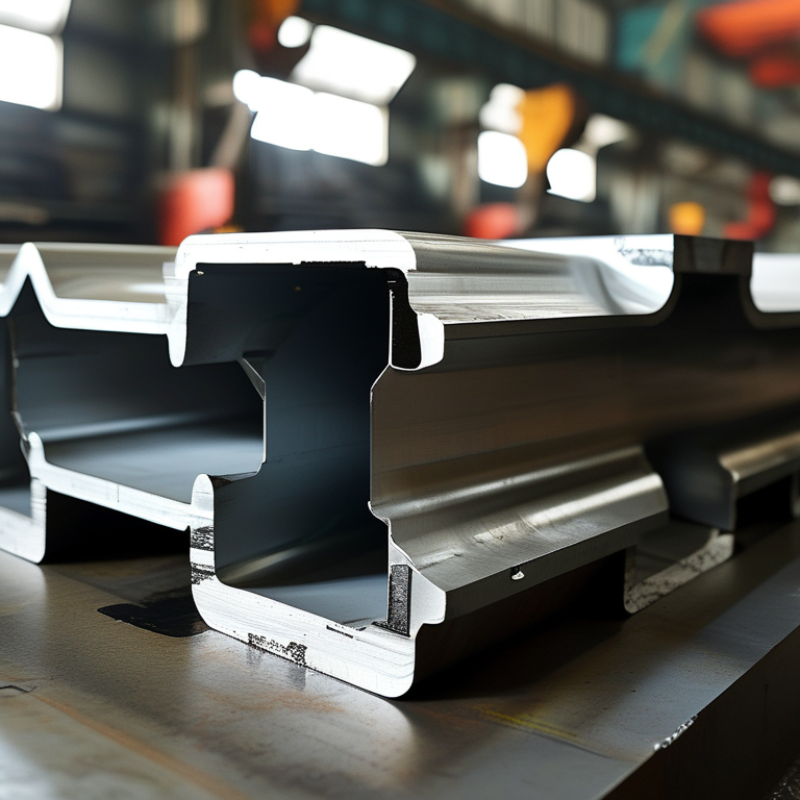
Understanding the Importance of Aluminum Extrusion Standards in Industry
Aluminum Extrusion Standards play a crucial role in various industries. They ensure high-quality products by establishing specific criteria for materials and processes. According to a report by the Aluminum Association, more than 50% of all aluminum is used in construction and transportation. Adhering to these standards can significantly enhance the structural integrity and durability of products.
Many manufacturers overlook the importance of using the correct Aluminum Extrusion Standard. Non-compliance can lead to structural failures, safety hazards, and increased costs. For example, a poorly extruded aluminum component can compromise a building’s stability. Engineers and designers must be aware of standards like ASTM B221 and AMS-QQ-A-200, which guide the specifications for various aluminum alloys.
Moreover, innovation in the extrusion process can introduce potential issues. As new techniques evolve, they may not yet be covered by existing standards. This gap can create uncertainty in product performance. Therefore, continuous education and adaptation to new Aluminum Extrusion Standards are essential for industry professionals. Regular audits and updating practices can ensure compliance and improve overall product efficacy.
Key Aluminum Extrusion Standards in the Industry
This chart represents the significance of various aluminum extrusion standards recognized in the industry. The data reflects the number of projects and applications that adhere to these standards.
Overview of the Aluminum Extrusion Process and Its Applications
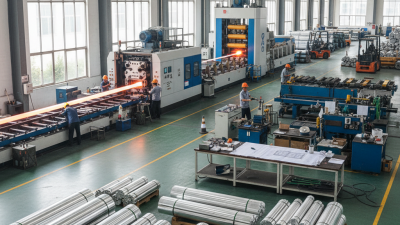
The aluminum extrusion process is a fascinating combination of engineering and art. During this process, aluminum is heated and then forced through a die to create various shapes. These extrusions can take many forms, from simple bars to complex profiles used in construction and machinery. The versatility of aluminum makes it a favorite in various industries, including automotive, aerospace, and building.
Moreover, the applications of aluminum extrusion are vast. For instance, lightweight structures in automotive design enhance fuel efficiency. In architecture, elegant Aluminum Profiles offer both aesthetic and functional benefits. Many products rely onChina Standard Aluminum Extrusion Profiles for their reliability and quality. The ability to control thickness and dimensions ensures precision across numerous applications.
However, challenges exist in the extrusion process. Variations in temperature can affect the integrity of the final product. Additionally, the complexity of shapes might pose difficulties in production. Despite these obstacles, advancements in technology continue to improve the process. This evolving field requires manufacturers to stay informed on best practices and standards to guarantee safety and performance.
Key International Standards for Aluminum Extrusions (ISO and ASTM)
When navigating the world of aluminum extrusions, understanding key international standards is crucial. Two primary standards govern this field: ISO (International Organization for Standardization) and ASTM (American Society for Testing and Materials). ISO 9001 emphasizes quality management systems. It ensures manufacturers meet customer and regulatory requirements effectively. ASTM B221 focuses on the specifications for aluminum alloy extrusions used in structural applications. These standards help maintain the quality and integrity of produced materials.
Tips for navigating these standards include familiarizing yourself with the specific requirements of your project. Each application might require different material properties. For instance, strength, corrosion resistance, and thermal conductivity vary widely among aluminum alloys. Knowing the right standard can significantly impact your project’s success.
Moreover, it’s essential to consult with experts in the industry. They can provide valuable insights into compliance and testing. Relying solely on out-of-date information can lead to mistakes. Ensure your resources are current to avoid pitfalls. Remember, every project is unique, and the standards should align with specific applications and challenges you face.
What Are the Key Aluminum Extrusion Standards to Know?
| Standard | Description | Organization | Application |
| ISO 6361-1 | Wrought aluminum and aluminum alloys - Coated products - Part 1: General requirements | ISO | General standards for coated aluminum |
| ASTM B221 | Standard Specification for Aluminum Extruded Bars, Rods, Wire, Profiles, and Tubes | ASTM | Extruded sections and standard shapes |
| ISO 14001 | Environmental Management Systems - Requirements with guidance for use | ISO | Applicable for manufacturers concerned with environmental standards |
| ASTM B429 | Standard Specification for Aluminum Extruded Tube and Pipe | ASTM | Specific to aluminum tubing and piping products |
| ISO 4013 | Aluminium and aluminium alloys - Strip for general purposes | ISO | For general strip applications in aluminum |
ASME Standards: Ensuring Safety and Reliability in Extruded Products
ASME standards play a crucial role in the aluminum extrusion industry. They help ensure that extruded products are safe and reliable. These standards set guidelines for various aspects, including design, manufacturing, and testing. By adhering to ASME standards, manufacturers can guarantee the structural integrity and performance of their products.
When designing extruded aluminum components, consider factors such as load requirements and environmental conditions. Collaboration with experienced engineers can help optimize designs while ensuring compliance with ASME standards. Testing is equally vital; it verifies that products meet safety and performance thresholds.
Pay attention to quality control during production. Regular inspections can help identify issues early. Striving for compliance with ASME standards not only enhances product reliability but also builds customer trust. Remember, even small deviations can lead to significant consequences. Continuous improvement in following these standards is essential for long-term success.
Quality Control Measures in Aluminum Extrusion According to Industry Standards
Quality control is crucial in aluminum extrusion. Adhering to industry standards ensures product reliability. Key standards include ASTM B221, which outlines specifications for aluminum alloy extrusions. Another important guideline is the ISO 9001 certification, focusing on quality management systems. These standards help manufacturers achieve consistency and high quality.
While many companies strive for perfection, challenges arise during production. Variations in material properties can impact the final product. Regular testing for tensile strength and dimensional accuracy is essential. Implementing corrective actions quickly can mitigate defects. Seeking the Best Standard Aluminum Extrusion Profiles is wise for meeting strict specifications.
Communication among team members is vital. Design modifications might lead to unexpected results. Ensuring that everyone understands the quality requirements can reduce errors. Involving skilled professionals in quality checks can improve outcomes. However, over-reliance on automated systems could overlook subtle defects. A balanced approach is necessary for sustainable quality control in aluminum extrusion.
Impact of Aluminum Extrusion Standards on Sustainability and Recycling
Aluminum extrusion standards play a crucial role in promoting sustainability and recycling within the industry. These standards guide manufacturers in producing high-quality, durable products. According to the Aluminum Association, recycled aluminum requires 95% less energy than producing new aluminum from ore. This significant reduction in energy usage contributes to decreased greenhouse gas emissions, making recycling initiatives more attractive.
The recycling process is not always straightforward. Contaminants can degrade the quality of recycled aluminum. Adhering to strict extrusion standards helps to ensure that recycled materials meet the required quality benchmarks. Unfortunately, many facilities lack adequate recycling infrastructures. As a result, recycling rates for aluminum remain around 75%, a number that can be improved with better adherence to standards and innovative recycling technologies.
To improve sustainability, companies should consider adopting best practices. Regular training for staff on proper recycling techniques can enhance operational efficiency. Establishing partnerships with recycling firms may also streamline material processing. Engaging with industry organizations can help companies stay updated on effective sustainability strategies and new standards developments. Despite the challenges, committing to aluminum extrusion standards is a step forward in enhancing sustainability efforts.
Future Trends in Aluminum Extrusion Standards and Innovations
The aluminum extrusion industry is evolving rapidly. Innovations in technology and materials are setting new standards. Today’s demands for efficiency and sustainability challenge manufacturers to adapt. This shift encourages the development of new aluminum alloys. These alloys can offer better performance while remaining environmentally friendly.
Future trends indicate a stronger focus on digitalization. Automation is becoming essential in the extrusion process. This streamlines production, reduces waste, and increases precision. Moreover, real-time data analysis is helping companies optimize their operations. For instance, predictive maintenance can prevent downtimes. Yet, many companies struggle to implement these advanced technologies effectively.
The China Aluminum Extrusion Standard is gaining global attention. It aims to promote better quality and consistency within the industry. However, some manufacturers face difficulties in meeting these evolving requirements. They must invest in training and technology to keep up. Addressing these challenges could lead to long-term benefits. The path forward is filled with both obstacles and opportunities for growth.
Optimizing Thermal Efficiency and Aesthetic Appeal in Residential Properties with 75 Swing Aluminum Window Extrusion Profiles: Industry Trends and Insights
In the pursuit of optimizing thermal efficiency and aesthetic appeal in residential properties, the use of 75 swing aluminum window extrusion profiles has emerged as a popular solution. These profiles, crafted from high-quality 6063/T5 aluminum, not only fulfill functional requirements but also enhance the overall beauty of homes. With a customizable thickness of 1.4mm and various surface treatment options such as powder coating, wood grain finishes, and anodization, these aluminum profiles cater to diverse architectural styles and personal preferences, allowing for seamless integration into any design scheme.
Furthermore, the durability and performance of these profiles are supported by significant certifications, including CE, ISO, SGS, TUV, and ROHS, ensuring compliance with stringent quality standards. The hardness rating of over 12HW contributes to their resilience against wear and environmental factors, making them a reliable choice for window applications. Offering a minimum order quantity of 500KG for each profile, this industry trend reflects not only a commitment to quality and aesthetics but also to energy efficiency, ultimately providing homeowners with a sustainable and visually appealing solution for their window needs.
FAQS
: The key standards are ISO and ASTM. They govern quality and specifications in aluminum extrusion.
ISO 9001 emphasizes quality management systems. It ensures manufacturers meet customer and regulatory requirements.
ASTM B221 specifies requirements for aluminum alloy extrusions used in structural applications.
Each project has unique needs. Understanding standards can greatly impact project success and material quality.
Recycled aluminum uses 95% less energy than producing new aluminum, decreasing greenhouse gas emissions significantly.
Contaminants can degrade recycled aluminum quality. Proper standards help maintain benchmarks for recycled materials.
Recycling rates are around 75%. Better infrastructure and adherence to standards can enhance these figures.
Regular staff training and partnerships with recycling firms can enhance efficiency and processing of materials.
They provide updates on sustainability strategies and new standard developments, helping companies stay informed.
Yes, using outdated information can lead to mistakes. Always ensure resources are current to avoid pitfalls.
Conclusion
Aluminum extrusion standards play a crucial role in ensuring the quality, safety, and efficiency of aluminum products used across various industries. Understanding these standards helps manufacturers align their processes with international guidelines, such as ISO and ASTM, which govern the extrusion process, material properties, and performance requirements. Specifically, ASME standards emphasize safety and reliability, ensuring that extruded aluminum products meet rigorous performance criteria.
Moreover, quality control measures outlined by industry standards are essential for maintaining product integrity and fostering customer trust. The impact of these aluminum extrusion standards extends beyond immediate applications, influencing sustainability and recycling efforts within the industry. As innovations continue to emerge, it is vital for stakeholders to stay informed about future trends in aluminum extrusion standards to enhance sustainability and meet evolving market demands.







 wechat