In today’s fast-changing global market, really nailing down the Aluminum Extrusion process is pretty much essential for manufacturers. Big names like Alcoa and Hydro are really pushing the boundaries, focusing heavily on boosting efficiency and cutting costs. They often talk about how crucial it is to understand your local suppliers and the quality of the materials you're working with — 'cause those things can seriously make or break your production.
Dealing with procurement on a global scale isn’t always smooth sailing. Tariffs go up and down, shipments get delayed, and material standards aren’t always consistent. Honestly, those factors can make the whole process quite tricky. Aluminum Extrusion isn’t exactly straightforward; it takes careful planning and a good strategy to stay ahead. Industry pros keep emphasizing the importance of staying in touch with your suppliers and making sure your operations are sustainable in the long run.
Looking back at past hiccups is actually pretty important. A lot of companies have run into trouble because they chose the wrong suppliers or didn’t specify things clearly enough. A solid procurement plan for Aluminum Extrusion should be built on thorough market research and establishing long-term relationships. Doing this can really pay off and help you stay competitive in a highly intense market.
Understanding Aluminum Extrusion and Its Global Importance
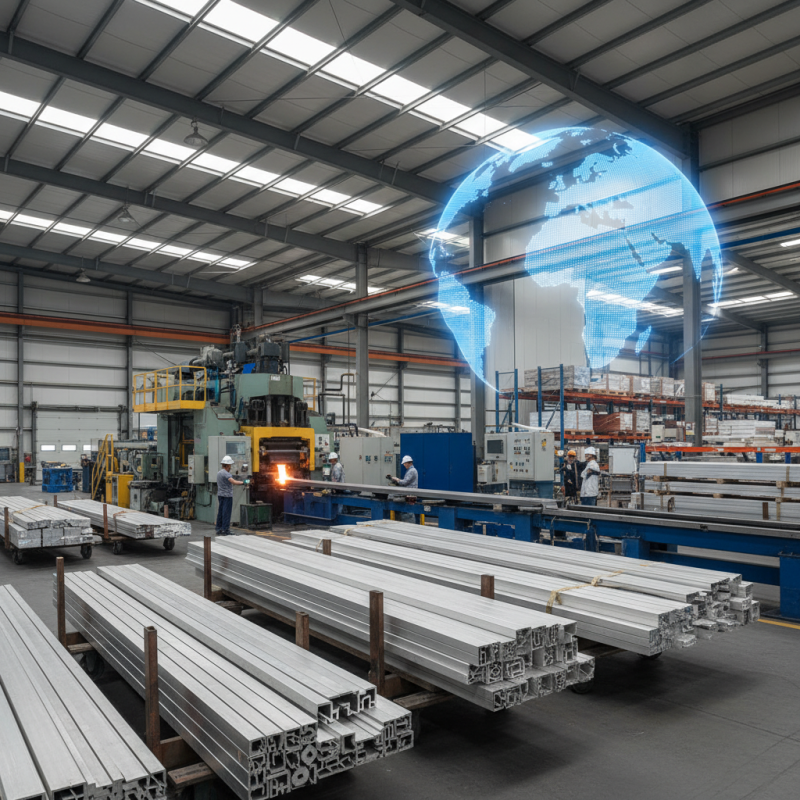
Aluminum extrusionis a critical manufacturing process with global significance. It involves creating Aluminum Profiles by forcing heated aluminum through a die. This method allows manufacturers to produce complex shapes and sizes tailored for specific applications. The lightweight and corrosion-resistant nature of aluminum makes it ideal for various industries, including automotive, aerospace, and construction.
Understanding the nuances of aluminum extrusion can optimize global procurement strategies. By selecting the right Aluminum Extrusion Profiles, companies can ensure high-quality materials while reducing costs. Factors to consider include the specific requirements of the end product and the capabilities of the extrusion supplier. Communication is vital; inconsistencies often arise from misunderstandings about specifications or designs.
While many suppliers offer competitive prices, quality must remain a priority. Often, this requires a balance between cost and reliability. Conducting assessments of potential suppliers can reveal insights. Seeking certifications and reviewing past projects can provide valuable context. However, there is no one-size-fits-all solution. Each project may present unique challenges that necessitate ongoing evaluation and adjustment. Navigating these complexities is essential for successful global procurement in aluminum extrusion.
Key Factors Influencing Aluminum Extrusion Procurement
When optimizing aluminum extrusion for global procurement, several key factors come into play. Sourcing the best materials is essential. Different aluminum alloys have varying properties, impacting strength and weight. Understanding local market conditions can help manufacturers select the right alloy for their needs.
Cost management is another critical factor. Global procurement can reduce costs but comes with challenges. Currency fluctuations, logistics issues, and tariffs can impact overall expenses. It's vital to conduct thorough cost analysis and consider long-term agreements with suppliers to stabilize pricing.
Communication and collaboration with suppliers cannot be overlooked. Establishing clear expectations and sharing design specifications can ensure smoother production processes. However, companies sometimes struggle with transparency. Misunderstandings can lead to delays and increased costs. Addressing these communication gaps is crucial for effective procurement strategies.
Assessing Supplier Capabilities and Production Capacity
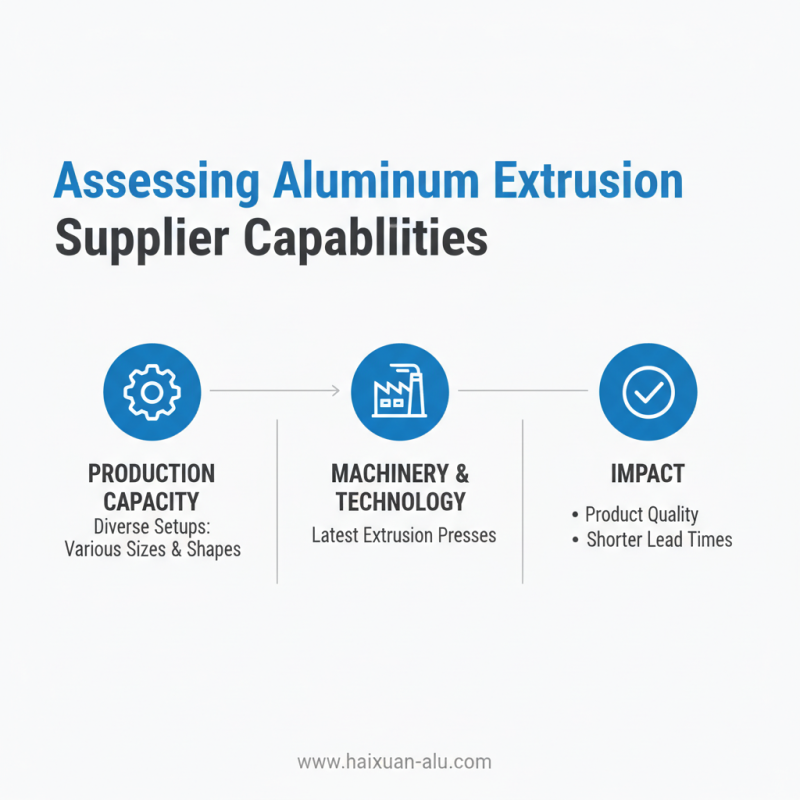
When assessing supplier capabilities in the aluminum extrusion industry, focus on their production capacity. Quality aluminum suppliers often have diverse setups. They can produce Standard Aluminum Extrusion Profiles in various sizes and shapes. Evaluate their machinery and technology. Are they using the latest extrusion presses? This impacts product quality and lead times.
Next, consider the supplier's workforce expertise. Skilled operators ensure consistent results. Regular training programs are vital. A lack of training can lead to production errors. Examine past performance records. A supplier with a history of on-time deliveries shows reliability. Investigate customer feedback to get real insights into their operations.
Don’t overlook the importance of facility location. Proximity to your manufacturing site can reduce shipping times and costs. However, it’s also crucial to evaluate their scalability. Can they expand production if your needs increase? A reliable supplier should meet current demands and adapt to future changes. Detailed assessments like these help in making informed procurement decisions.
Establishing Quality Control Standards in Aluminum Extrusion
Quality control is crucial in the aluminum extrusion industry, especially for T Slot Aluminum Extrusion Profiles. Establishing effective standards ensures that the products meet the required specifications consistently. Companies often face challenges in implementing these standards effectively. Inconsistent manufacturing processes can lead to variations in quality, making it essential to identify key metrics for quality assurance.
One method is to develop a detailed checklist covering all stages of production. This includes raw material inspection, process monitoring, and final product testing. Regular audits can also reveal gaps in quality control. Engaging experienced professionals for training can help staff understand the importance of adhering to these standards. However, not all companies prioritize this. Some might avoid the costs associated with thorough quality checks, which ultimately affects product reliability.
Another area for reflection is communication across teams. When teams fail to share crucial information, misalignment can occur. For T Slot Aluminum Extrusion Profiles, this can mean defective fittings or components not meeting customer requirements. Implementing a transparent communication strategy can help mitigate these risks. The goal is to create a culture that values quality and accountability throughout the production process. Only then can global procurement strategies succeed.
Strategies for Cost Reduction in Global Aluminum Procurement
Optimizing aluminum extrusion for global procurement can drive substantial cost savings. A crucial step is evaluating suppliers. Each one may offer different pricing, lead times, and quality levels. Conducting thorough research will reveal which suppliers provide value. Ensure they meet global standards.
Tip: Establish strong relationships with multiple suppliers. This diversification protects against supply disruptions and gives leverage for better pricing. A solid partnership might also lead to exclusive offers.
Another strategy involves understanding market trends. Prices for aluminum can fluctuate based on global demand. Staying informed can help businesses time their purchases effectively. Consider bulk buying during low-demand periods.
Tip: Regularly analyze your procurement strategy. Are you meeting cost targets? Reflect on any discrepancies. Adapting strategies is essential for continuous improvement. Look into specific materials like Aluminum Heatsink Extrusion Profiles that suit your projects best.
Optimizing procedures, reducing waste, and investing in technology also contribute to lowering costs in aluminum procurement. Each step taken can have a significant impact on overall expenditures.
Leveraging Technology for Efficient Aluminum Extrusion Processes
In today's competitive market, leveraging technology is crucial for optimizing aluminum extrusion processes. Advanced technologies like automation, data analytics, and real-time monitoring can significantly enhance efficiency. According to a recent report by the International Aluminum Institute, using automated systems can increase production speed by up to 30%. This improvement not only boosts output but also reduces labor costs, essential for global procurement strategies.
Tip: Invest in predictive maintenance tools. These tools help prevent unexpected downtime and ensure consistent quality in aluminum extrusion.
Integrating technology into the aluminum extrusion workflow also facilitates better quality control. Companies employing real-time monitoring systems reported a 15% decrease in defects. This level of precision can be achieved through machine learning algorithms that analyze production data, allowing for rapid adjustments. However, the adoption of such technologies can be daunting. It requires effective training for staff and careful management of existing processes.
Tip: Start with small-scale pilot projects to evaluate new technologies. This approach reduces risk and helps teams adapt gradually.
Despite the benefits, challenges remain. Many companies face data integration issues, impacting overall productivity. Addressing these gaps is vital for creating a streamlined production environment that leverages the full potential of modern technology. Performance in this sector is constantly evolving, and staying updated is essential for procurement efficiencies.
Navigating Trade Regulations and Tariffs in Global Procurement
Navigating trade regulations and tariffs is crucial for optimizing aluminum extrusion in global procurement. Companies need to understand various international regulations that govern the import and export of aluminum products. For instance, the U.S. International Trade Administration reported that tariffs on aluminum can reach up to 25%, impacting cost structures significantly. Such tariffs can alter supplier selection and pricing strategies.
Compliance is another factor. Many organizations lack clarity on regulations in different markets. A 2021 report from the World Bank showed that 80% of companies felt overwhelmed by trade rules, leading to costly delays. Companies must invest time in understanding the compliance landscape, including local certifications and standards. Ignoring these could result in penalties or shipment holds.
Understanding the geopolitical landscape also plays a role. Trade disputes can escalate quickly, affecting supply chains. It's essential to regularly review trade policies while gauging the risk of changes. Many firms are adopting strategies like diversifying suppliers to cushion the impact of tariffs. This adaptability is key in a landscape where regulations can shift rapidly. Ignoring these elements may lead to inefficiencies and increased costs in aluminum procurement.
Innovative Applications and Benefits of 50 Engineering Aluminum Window Extrusion Profiles in Modern Architecture
Incorporating innovative engineering aluminum window extrusion profiles into modern architecture offers a myriad of advantages, transforming both aesthetic appeal and functional performance. The 6063/T5 grade aluminum, recognized for its excellent strength-to-weight ratio, is a favored choice among architects and builders. With a standard thickness of 1.4mm, or customizable options, these profiles are versatile enough to meet the demands of various architectural designs while ensuring structural integrity.
The capabilities of these aluminum profiles extend beyond mere functionality; their surface treatments, including powder coating, wood grain finishes, and anodizing, allow for countless design possibilities. Such treatments not only enhance the visual appeal but also provide increased durability against environmental factors. Furthermore, certified by CE, ISO, SGS, TUV, and ROHS, these profiles ensure compliance with international standards, giving architects and builders confidence in their quality and safety. With a minimum order quantity of 500KG for each profile, these solutions cater to both small-scale projects and large constructions, ensuring that modern architecture can thrive through innovative material applications.
FAQS
: Aluminum extrusion is a manufacturing process that shapes heated aluminum into specific profiles using a die.
Its lightweight and corrosion-resistant properties make aluminum ideal for automotive, aerospace, and construction sectors.
Companies can reduce costs by evaluating suppliers, negotiating long-term agreements, and staying informed about market trends.
Key factors include pricing, lead times, quality, and the supplier's ability to meet global standards.
Clear communication helps avoid misunderstandings about specifications, which can cause delays and increased costs.
Prices may fluctuate based on global demand, impacting procurement strategies and overall expenses.
Working with multiple suppliers provides leverage for pricing and safeguards against potential supply disruptions.
Regularly analyzing strategies helps identify discrepancies and allows for adjustments to meet cost targets effectively.
The process may involve unique project challenges, necessitating ongoing evaluation and adaptation of strategies.
Different alloys have varying properties, impacting strength and weight based on specific application needs.
Conclusion
Aluminum extrusion plays a crucial role in global manufacturing, offering versatile applications across various industries. Understanding the aluminum extrusion process and its significance in international procurement is essential for businesses aiming to enhance their supply chain efficiency. Key factors influencing procurement decisions include supplier capabilities, production capacity, and quality control measures. Establishing strict quality standards ensures that the materials meet the necessary specifications and durability requirements.
To optimize aluminum extrusion procurement, companies should implement strategies for cost reduction while leveraging technology to streamline processes. This can involve automating production lines or using advanced software for better inventory management. Additionally, navigating trade regulations and tariffs is vital to avoid unforeseen costs and delays. By focusing on these aspects, organizations can achieve a more efficient and cost-effective aluminum extrusion procurement process that meets their global needs.










 wechat