When you're picking out materials for your next project, choosing the right Aluminum Extrusion Square can really make all the difference. At Haixuan MetaL Aluminum Profile Co., Ltd., we totally get how important quality and durability are when it comes to aluminum profiles. That’s why ever since we started back in 2011, we’ve been all about researching, developing, and making top-notch products. As a well-known OEM in the industry, we take pride in sourcing the best materials and using advanced manufacturing techniques to get the job done right. Whether you're working on structural stuff, decorative touches, or custom designs, our aluminum extrusion squares offer unbeatable strength and versatility. In this blog, I’ll share seven solid reasons why picking a trusted manufacturer like Haixuan Metal Aluminum Profile Co., Ltd. for your Aluminum Extrusion Square can really take your project to the next level.
Benefits of Using Aluminum Extrusion Square in Various Applications
Aluminum extrusion squares are really gaining popularity across a bunch of different industries, mainly because of their unique perks. One of the biggest pluses? They’re super lightweight—aluminum weighs about a third of what steel does, which makes them much easier to handle and transport. The Aluminum Association points out that using aluminum in construction and manufacturing can actually cut down on shipping and installation costs, which ends up speeding up overall project timelines.
But it’s not just about being lightweight. These squares are incredibly versatile. You can customize them pretty easily to fit specific designs—think intricate shapes and a variety of sizes. And if you look at the bigger picture, the global market for aluminum extrusion is projected to hit around $100 billion by 2027, according to Mordor Intelligence. That really shows how important these materials are becoming, especially in industries like automotive, aerospace, and building construction. They open up a lot of room for innovation, allowing for lightweight structures that are still tough and durable—crucial in more demanding environments.
Oh, and let’s not forget—aluminum naturally resists corrosion. That means products made with aluminum extrusion squares tend to last a long time, even in tough conditions like marine or outdoor environments. A study from the International Aluminium Institute even mentioned that when properly treated, aluminum components can last over 50 years without much wear and tear, which is pretty impressive for long-term projects.
Key Factors to Consider When Choosing Aluminum Extrusion Profiles
So, when you're picking aluminum extrusion profiles for your next project, there are a few things you really want to keep in mind. Aluminum's known for being both strong and super lightweight, which makes it perfect for all sorts of stuff – think architectural designs or even car parts. But don’t forget about durability; choosing the right alloy can make a huge difference in how long your finished piece holds up and how well it performs over time. Oh, and have a look at the surface finish options, too. They not only affect how things look but also how well the material holds up against weather and environmental wear and tear.
Also, it's pretty cool how more folks are diving into DIY projects using standard materials like aluminum extrusions. There's definitely this growing vibe around customizing things to fit personal needs. Plus, with market changes — like the recent end of export tax rebates on aluminum — staying in the loop about industry shifts is more important than ever. These changes can affect availability and prices, so it’s best to work with a supplier who keeps quality high and prices fair, even as the market shifts. By keeping these things in mind, you’ll make sure your project gets the best of what aluminum extrusions have to offer, while also staying on top of market trends and demands.
Key Factors in Choosing Aluminum Extrusion Profiles
How Aluminum Extrusion Squares Enhance Structural Integrity
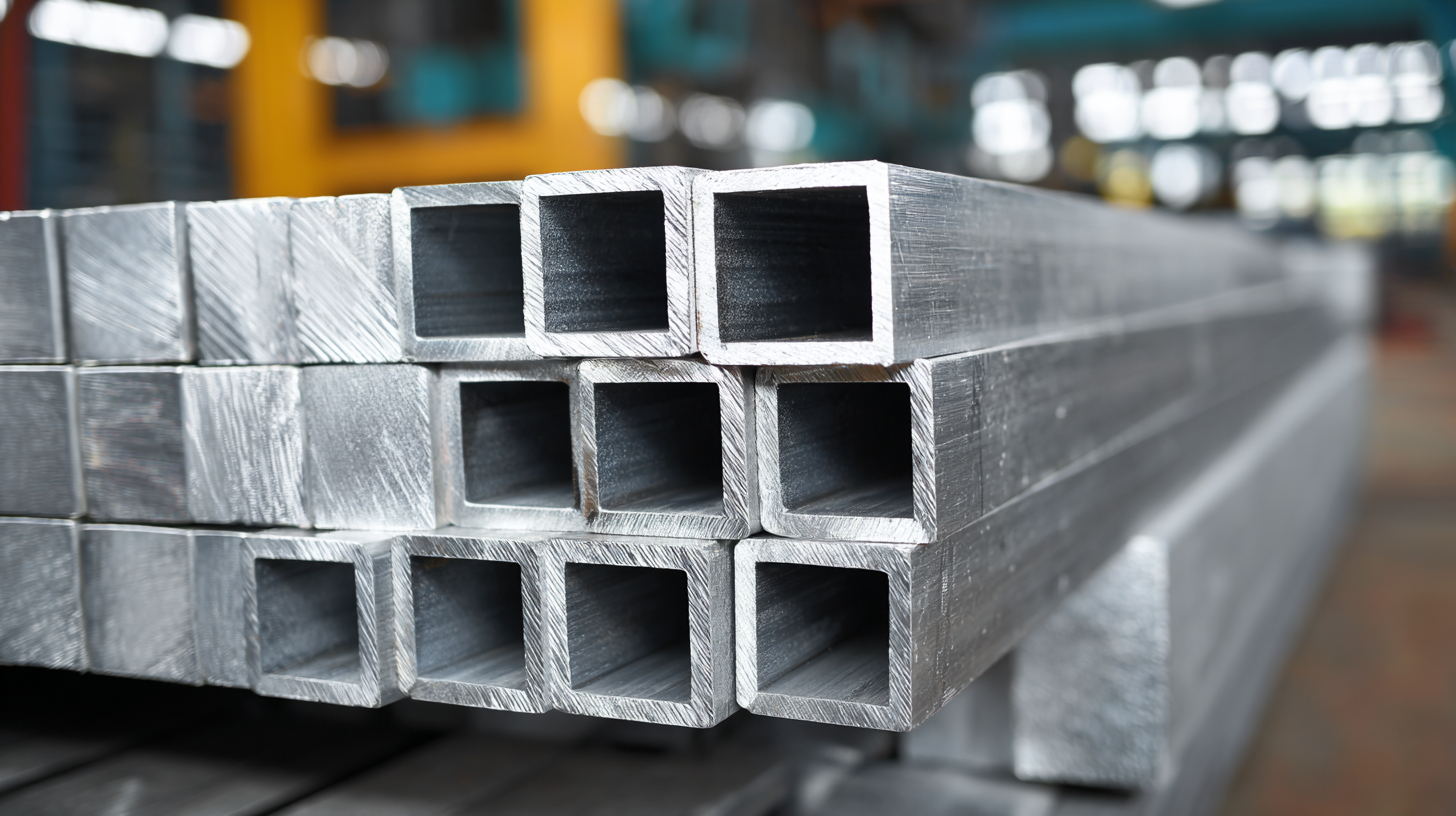
Aluminum extrusion squares are really becoming a go-to choice in modern building and manufacturing these days. They’re loved because they do a fantastic job of boosting the strength and stability of a structure. Basically, through the extrusion process, aluminum gets shaped into consistent, uniform profiles that are strong and durable. These square shapes aren’t just about looks—they help spread out loads evenly across all corners, making everything super stable, whether it's in architectural frameworks or detailed machinery parts. Plus, that uniformity means assembling things gets a whole lot easier, and it reduces the chances of weak spots that could cause issues down the line.
And let’s not forget, aluminum is lightweight but incredibly strong when you consider its size and weight. That's a game-changer for projects where you need durability but also want to keep things efficient. These squares can handle quite a bit of stress without weighing down the entire structure, which is a huge plus when trying to cut down on total weight. On top of that, aluminum naturally resists rust and corrosion, which means your structure will stay solid and reliable over time, even in tricky environments. All these things combined make aluminum extrusion squares a top pick for engineers and designers who are serious about making their projects last longer and perform better.
7 Compelling Reasons to Choose Best Aluminum Extrusion Square for Your Next Project - How Aluminum Extrusion Squares Enhance Structural Integrity
| Feature | Description | Benefits |
| Lightweight | Aluminum is significantly lighter than steel. | Easier handling and decreased transportation costs. |
| Corrosion Resistance | Natural oxide layer prevents rust. | Longer lifespan in various environments. |
| Versatility | Can be fabricated into various shapes and sizes. | Suitable for a wide range of applications. |
| Aesthetic Appeal | Can be finished with anodizing or painting. | Enhances visual value of projects. |
| Strength-to-Weight Ratio | High structural strength without high weight. | Increased load-bearing capacity. |
| Easy to Work With | Can be cut, drilled, and machined easily. | Speeds up construction and manufacturing processes. |
| Recyclability | 100% recyclable without loss of properties. | Environmentally friendly choice. |
Cost-Effectiveness of Aluminum Extrusion for Custom Projects
When you're diving into a custom project, cost is usually a pretty big deal, right? That's where aluminum extrusion really shines—especially when you mix it with the flexibility of aluminum square profiles. It’s kind of like a win-win situation. Thanks to the efficient way aluminum is made, you can cut down on waste and save some serious money during production. And because you can shape and size these extrusions without breaking the bank on tooling, you get to free up funds for other important parts of your project.
Plus, aluminum's lightweight and tough as nails, which might not sound like a big deal at first, but it really helps in keeping costs down. Lighter materials mean easier handling and faster installation, so you save on labor — no brainer, right? And let’s not forget, aluminum lasts a long time, which means less maintenance and fewer replacements down the line. All of this adds up to a smarter, more budget-friendly way to get exactly what you want without sacrificing quality. Choosing the right aluminum extrusion square isn’t just about ticking boxes on your specs sheet; it’s about making a savvy investment that pays off in the long run. Quite the smart move for any business looking to stay ahead of the game!
Best Practices for Selecting and Implementing Extruded Aluminum
When you're choosing extruded aluminum for your project, there are a few best practices that can really help you get the best results. First off, take the time to clearly define what you need—that means thinking about how much weight it needs to support, the environment it’ll be exposed to, and the overall look you're going for. Getting a good understanding of your specific application will make it easier to pick the right alloy and dimensions. For example, if your aluminum will be outdoors in harsh weather, you’ll want to go for an alloy that’s resistant to corrosion—trust me, that makes a big difference in how long it lasts.
Another important tip? Work with a reputable supplier. Their expertise can be a lifesaver—I’ve found that picking someone who knows their stuff can give you sweet insights into the material’s properties and production methods. It’s also smart to ask for samples first. Seeing and feeling the finish and quality of the extrusion before placing a big order can save you headaches down the line. And don’t forget to think about how you’ll be machining or fabricating it. Make sure the profile you choose works well with your processes—that can really make or break your project’s success and help avoid issues during assembly.
Innovative Design Possibilities with Aluminum Extrusion Technology
You know, aluminum extrusion technology has really changed the game for designers and engineers. It opens up so many new possibilities when it comes to crafting innovative designs. According to the Aluminum Association, the global market for aluminum extrusion is expected to grow at around 6.3% annually from 2021 through 2028. This growth is mainly driven by the rising demand for lightweight materials in pretty much everything — from cars to construction projects. It’s really pointing toward a more sustainable way of working, especially since aluminum is recyclable and offers an excellent strength-to-weight ratio, making it a big plus for eco-friendly efforts.
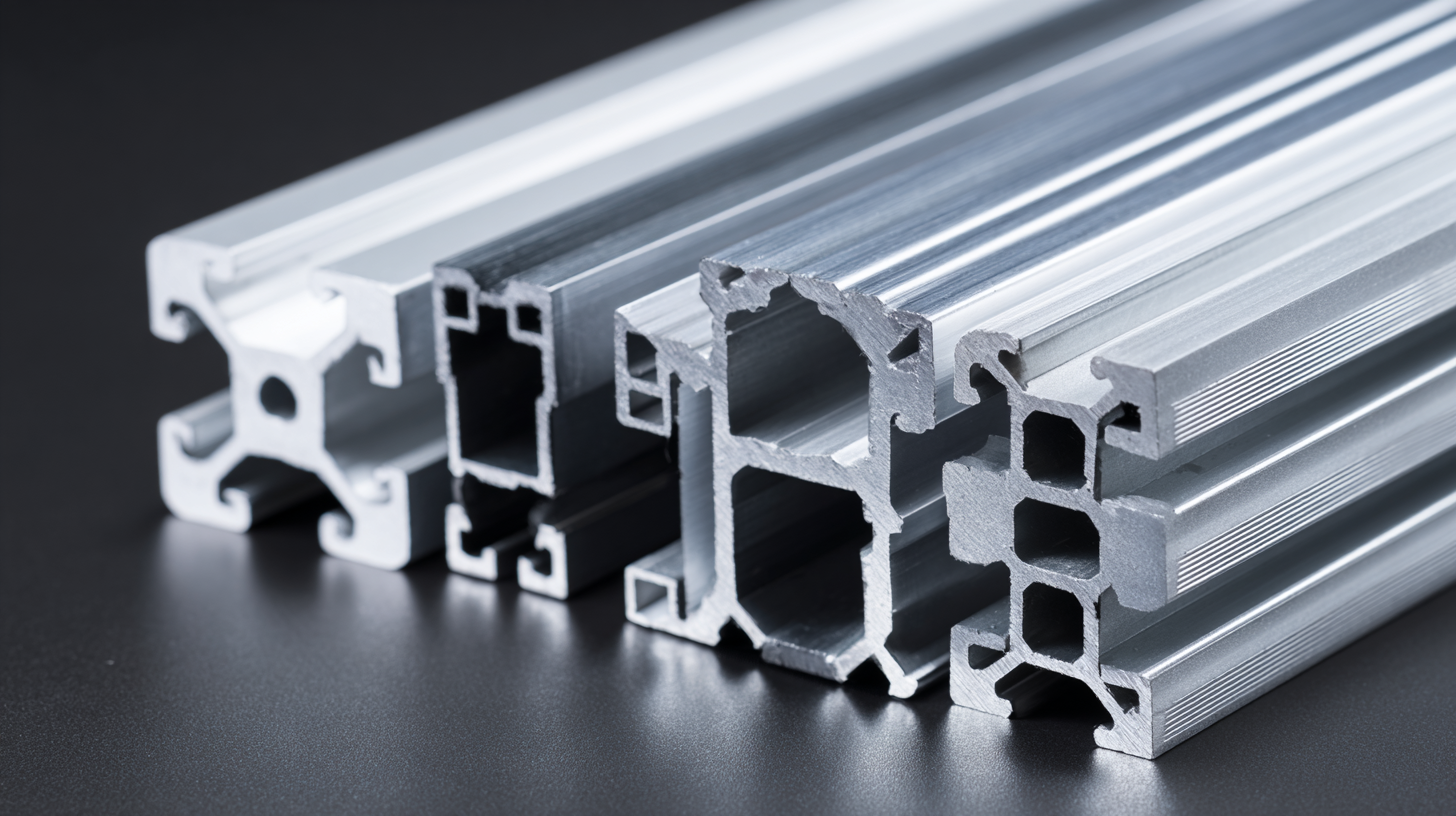
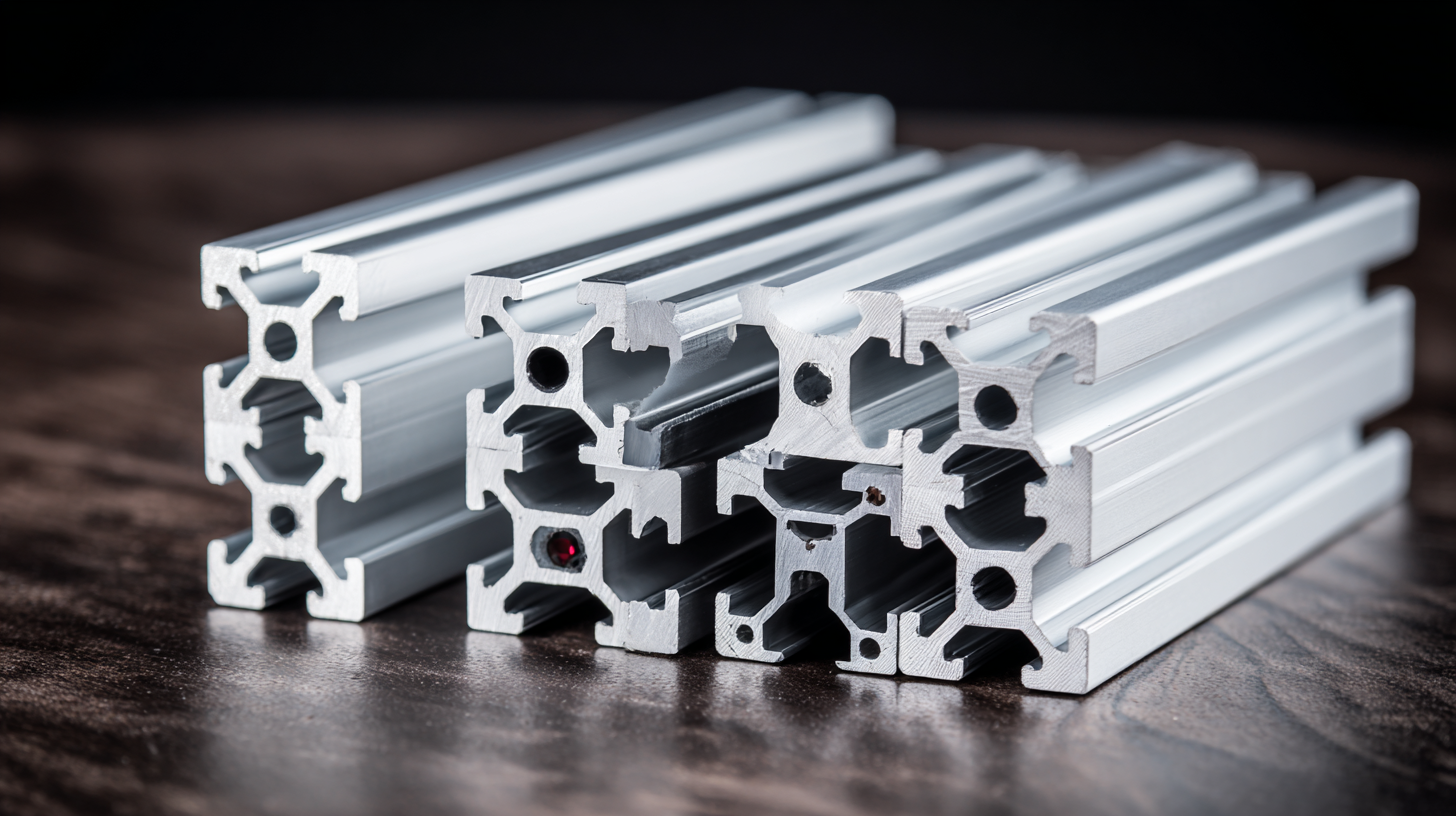
One of the coolest things about aluminum extrusion is how flexible it is — you can create all sorts of custom shapes and sizes. This means designers can play around with complex, eye-catching forms that aren’t just pretty but functional too. MarketsandMarkets even mentions that the need for custom aluminum parts is set to increase, especially in fields like aerospace, where precision and innovation are everything. Plus, with new tech in extrusion processes, it’s now possible to add features like thermal breaks and special coatings, which boost performance and durability in various applications. Honestly, with all these benefits, aluminum extrusion is becoming a go-to choice for projects that aim to be smart, sustainable, and innovative—that’s definitely the trend right now.
Exploring the Impact of Aluminum Profiles in Sliding Door Innovation: Insights from Industry Growth Reports
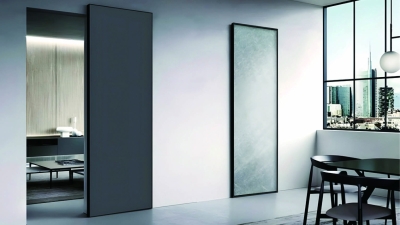
In the realm of sliding door innovation, aluminum profiles play a pivotal role, revolutionizing both functionality and aesthetic appeal. The 6063/T5 grade aluminum profile stands out for its impressive strength and versatility, accommodating a thickness of 1.4mm or customizable options to meet diverse design requirements. This adaptability ensures that manufacturers can create sliding doors that not only perform well but also complement various architectural styles.
The finish of aluminum profiles significantly enhances their appeal and durability. Options such as powder coating, wood grain, and anodized treatments allow for unique designs that can blend seamlessly into modern and traditional settings alike. Moreover, these profiles come with crucial certifications including CE, ISO, SGS, TUV, and ROHS, ensuring that they not only meet but exceed industry standards for safety and sustainability. With a hardness rating above 12HW, the profiles guarantee resilience against wear and tear, extending the lifespan of sliding doors.
As demand for innovative sliding door solutions continues to grow, the minimum order quantity of 500KG for each profile makes it feasible for manufacturers to scale production effectively. This efficient supply chain ensures that industry stakeholders can respond swiftly to market trends while maintaining high-quality standards in their products, ultimately reflecting the ongoing evolution and impact of aluminum profiles in the sliding door sector.
FAQS
: Aluminum extrusion offers a cost-effective solution due to its efficient manufacturing process, which minimizes material waste and production costs while allowing for various shapes and sizes without extensive tooling.
The lightweight nature of aluminum makes it easier to handle and install, which reduces labor costs and project timelines, ultimately resulting in significant savings.
Aluminum's durability means that projects require less frequent maintenance or replacement, leading to long-term savings and a more economical approach to design.
The global aluminum extrusion market is projected to grow at a CAGR of 6.3% from 2021 to 2028, driven by increasing demand for lightweight materials in various industries.
Aluminum extrusion technology allows for the creation of custom shapes and sizes, enabling designers to experiment with complex geometries that are both functional and aesthetically pleasing.
The demand for custom aluminum extrusions is expected to increase particularly in sectors such as aerospace, automotive, and construction, where precision and innovation are essential.
Advancements in extrusion technology allow for the integration of features like thermal breaks and specialized coatings, which enhance the performance and longevity of aluminum profiles in various applications.
Aluminum's recyclability and strength-to-weight ratio provide significant advantages, aligning with the growing trend towards sustainable practices in design and manufacturing.
Opting for aluminum extrusion allows businesses to meet project specifications effectively while ensuring a cost-effective and innovative approach to custom design.










 wechat