One Stop Solution For Aluminum Profiles
调查
表单加载...
0%

When you're on the hunt for materials for different projects, getting a grip on Aluminum Alloy Profilesis pretty important. These profiles are super versatile and show up all over the place—think industries from construction to design. Big names like Alcoa and Kaiser Aluminum offer tons of options tailored to just about any need. Getting familiar with the top 10 Aluminum Alloy Profiles can really help you make smarter choices.

Picking the right profile isn’t just about the specs. You gotta think about what it’s used for, how it performs, and whether the supplier really has their act together. Each profile has its own personality—perfect for everything from building sturdy frameworks to adding a bit of flair to decorative pieces. Sure, lots of suppliers will give you a good price, but quality can seriously vary, so trustworthiness is key.

In this chat, I’ll highlight some of the must-know Aluminum Alloy Profiles and what they’re good for. We’ll also dive into how they’re made and what common hiccups come up along the way. Giving some thought to your sourcing process might save you a headache later on. Remember, each profile isn’t just about function—it also opens up a world of design possibilities.
Top 10 Aluminum Alloy Profiles You Should Know for Sourcing

Overview of Aluminum Alloys and Their Applications

Aluminum alloys are crucial in various industries due to their lightweight and strength. They have diverse applications, from aerospace to construction. The Aluminum Association indicates that the global aluminum market will reach over $250 billion by 2025. This growth showcases the importance of sourcing quality alloy profiles for specific needs.

Each aluminum alloy offers unique characteristics. For example, 6061 alloy is versatile and is often used in structural applications. Meanwhile, 2024 is preferred in aerospace due to its excellent fatigue resistance. A study by the United States Geological Survey highlighted that aerospace applications account for nearly 30% of aluminum consumption. This emphasizes the need to understand each alloy's properties before sourcing.

While exploring Aluminum Profiles, challenges arise. Underestimating the desired strength or corrosion resistance can lead to product failure. Additionally, with the rise in demand, ensuring thereliability of suppliers becomes essential. Adopting a thorough approach to assess suppliers is vital, as it impacts the final application. Tracking material certifications and compliance with industry standards is crucial for quality assurance.

Understanding the Composition and Properties of Aluminum Alloys

Top 10 Aluminum Alloy Profiles You Should Know for Sourcing

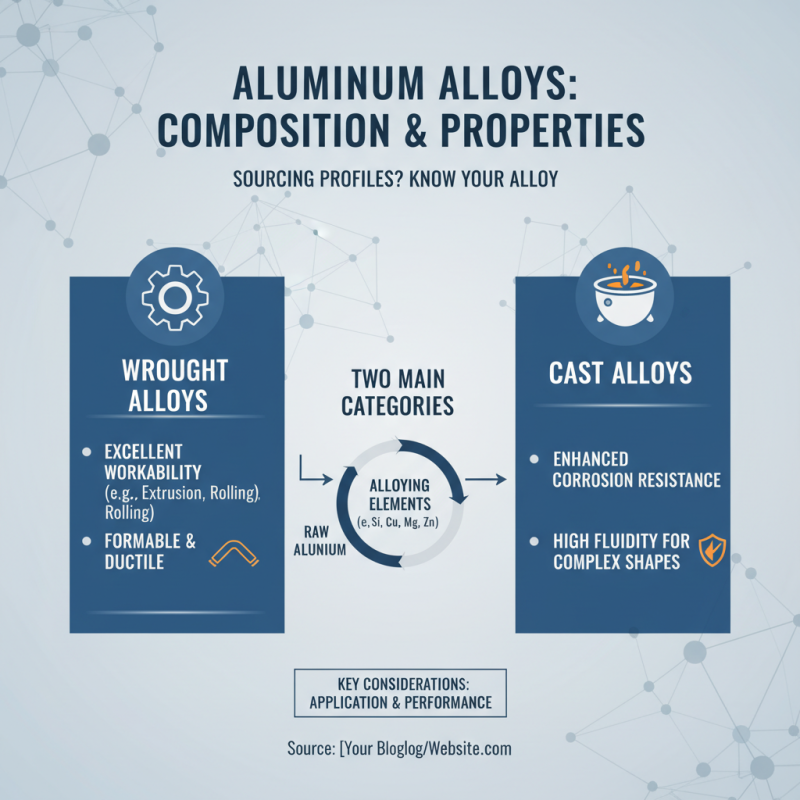
When sourcing aluminum alloy profiles, understanding their composition and properties is paramount. Aluminum alloys are divided into two main categories: wrought and cast. Each category has unique properties that influence their applications. Wrought alloys are known for their excellent workability, while cast alloys offer enhanced corrosion resistance.

The properties of aluminum alloys depend heavily on their elemental composition. Common elements included in these alloys are copper, magnesium, manganese, silicon, and zinc. These elements can significantly modify strength and weight. For example, magnesium increases corrosion resistance and weldability, while copper enhances strength and machinability.

However, not all properties are perfect. Some alloys may have lower fatigue strength or can be less resistant to stress corrosion cracking. This can pose challenges in high-stress applications. Therefore, sourcing requires meticulous consideration of these characteristics. Understanding the balance of properties helps in selecting the right aluminum alloy profile for your needs. It’s essential to weigh each alloy’s performance against project requirements.

Key Manufacturing Processes for Aluminum Alloy Profiles

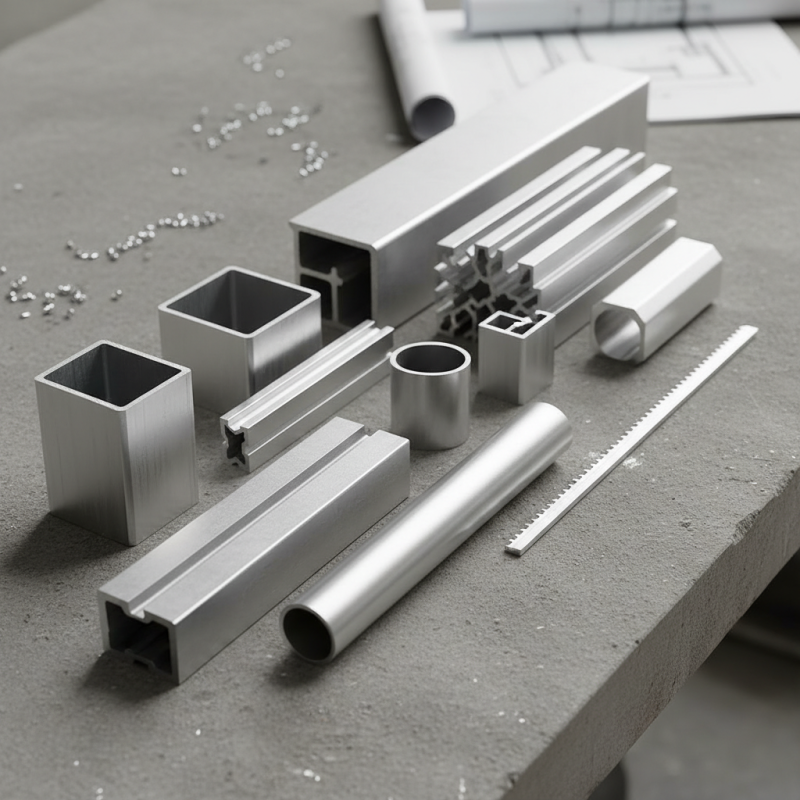
When considering the manufacturing processes for aluminum alloy profiles, understanding the key techniques is crucial. Extrusion remains one of the most widely used methods. It involves forced pushing of heated aluminum through a die. This process ensures efficient production of various shapes and sizes, catering to diverse applications.

Tips: Always verify the quality of the raw materials. Quality assurance at this stage can prevent future headaches.

Another important process is rolling, which helps in creating flat sheets or foils from aluminum. It entails passing aluminum between heavy rollers. This technique can produce thinner profiles, essential for specific applications.

Tips: Look for certified suppliers who follow strict rolling standards. This ensures the durability of the final product.

Lastly, anodizing adds an extra layer of protection to aluminum profiles. It enhances corrosion resistance and allows for color finishes. While anodizing holds several advantages, be mindful of compatibility with specific applications.

Tips: Test anodized samples before large production runs. It’s better to catch mistakes early in the process, especially in markets like China Aluminum Alloy Profiles.

Top Aluminum Alloy Specifications for Industrial Use

When sourcing aluminum alloys, understanding their specifications is crucial. The most common alloy series for industrial applications are the 1000, 2000, 6000, and 7000 series. Each series has unique properties tailored for specific applications. For instance, 6061 aluminum alloy is highly versatile, known for its good mechanical properties and corrosion resistance. Reports suggest that over 40% of aluminum used in construction comes from this alloy.

Another important specification is the temper designation. It indicates the heat treatment process an alloy undergoes. For example, T6 temper means the alloy has been solution heat-treated and artificially aged. According to data from the Aluminum Association, this process can increase the yield strength by as much as 50%, making it ideal for structural applications. However, this increase comes at the cost of ductility.

When considering sourcing, manufacturers must also reflect on the alloy's fabrication characteristics. Not all alloys are easy to machine or weld. Some require specific techniques to avoid cracking, especially under stress. The complexity of working with aluminum alloys can lead to inconsistencies if not managed properly. This highlights the need for rigorous testing and quality control measures throughout the sourcing process.

Top 10 Aluminum Alloy Profiles You Should Know for Sourcing

Comparative Analysis of Popular Aluminum Alloy Grades

Aluminum alloys are essential for various applications, and understanding their grades is crucial for effective sourcing. Among the most prominent grades are 6061, 6063, and 7075. These grades offer different properties that cater to distinct needs in manufacturing.

The 6061 alloy, known for its strength and corrosion resistance, is popular in structural applications. It also allows for good weldability, making it a versatile option. In contrast, the 6063 alloy excels in extrusion, making it ideal for architectural applications. It offers excellent surface finish and bending characteristics, widely noted in design flexibility. According to a 2022 industry report, the demand for 6063 has increased by 12% over the last few years, reflecting its growing popularity in construction.

On the other hand, the 7075 grade, while not as commonly used for extrusion, stands out due to its high strength-to-weight ratio. It’s primarily utilized in aerospace and high-performance applications. However, sourcing 7075 can be challenging due to its limitations in formability and weldability. Industry experts warn that miscalculating the alloy’s specifications can lead to severe project delays. Understanding these nuances is essential when considering the Best Aluminum Alloy Profiles for your specific needs.

Top 10 Aluminum Alloy Profiles You Should Know for Sourcing

Aluminum Alloy Grade Main Characteristics Common Applications Strength (MPa) Weight (g/m²)
6061 Good corrosion resistance, weldable Construction, automotive 240 2.7
6063 Excellent extrudability, smooth finish Architectural applications 210 2.7
7075 High strength, suitable for hardening Aerospace, military 570 2.9
2024 Very strong, poor corrosion resistance Aerospace structures 480 3.0
5083 Excellent corrosion resistance, weldable Shipbuilding, marine applications 290 2.9
3003 Good corrosion resistance, moderate strength Food and chemical handling 110 2.7
1100 Excellent corrosion resistance, high thermal conductivity Heat exchangers, cooking utensils 90 2.7
7079 High strength, resistance to stress corrosion Military aircraft 500 3.0
4045 Good mechanical properties, good corrosion resistance Automotive industry 180 2.7

Sourcing Strategies for Quality Aluminum Alloy Profiles

Top 10 Aluminum Alloy Profiles You Should Know for Sourcing

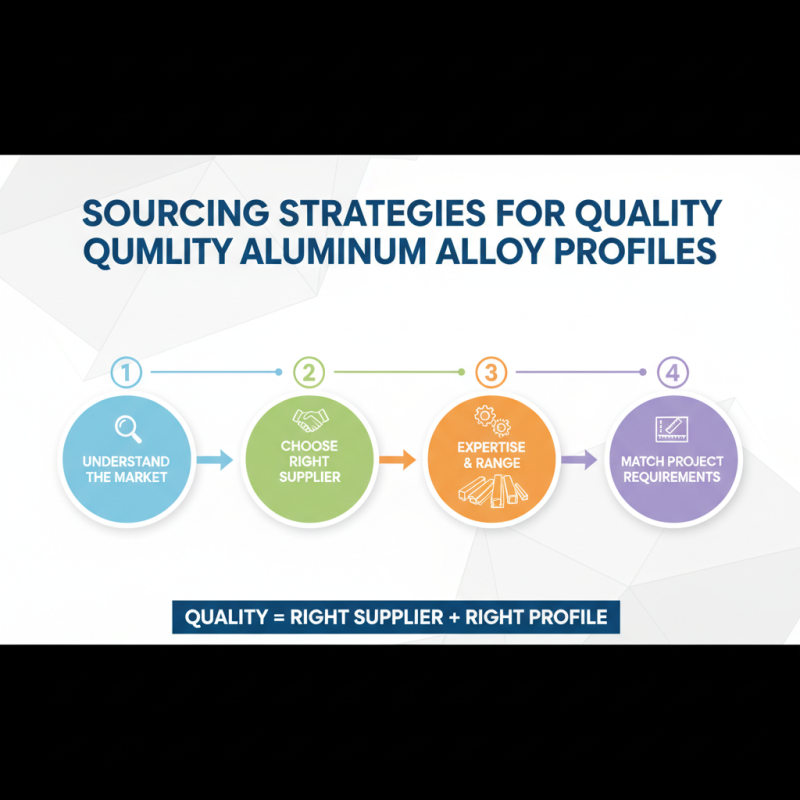
When sourcing aluminum alloy profiles, understanding the market is essential. The right supplier can make a significant difference in quality. Focus on suppliers who demonstrate expertise and offer a range of profiles. Look for options that fit specific project requirements.

Tips: Always verify a supplier’s credentials. Check for certifications that reflect their commitment to quality. Research industry standards that apply to aluminum alloys, as these can guide your choices.

Engaging with multiple Aluminum Alloy Profiles Suppliers can provide insights into the best materials available. This practice may reveal gaps in their offerings. Asking for samples before placing large orders can ensure that the quality meets your expectations. Different suppliers might have varying capabilities.

Tips: Don’t hesitate to ask questions. A reputable supplier will gladly share information. Beware of overly eager suppliers; sometimes, their eagerness may mask hidden issues. Assess their service and responsiveness, which can be as telling as the products they offer.

Future Trends in Aluminum Alloy Profile Development

The aluminum alloy profile market is evolving rapidly. Experts predict that demand will grow by 6% annually over the next five years. This is driven by innovations in aerospace and automotive sectors. They're looking for lightweight, high-strength materials.

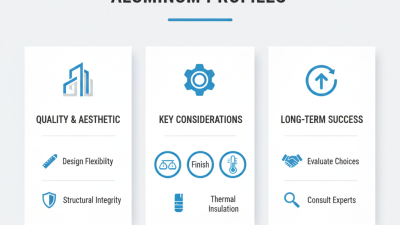
One key trend is the shift towards multifunctional profiles. Manufacturers increasingly focus on profiles that combine structural integrity with thermal insulation properties. A recent report from the Aluminum Association noted that nearly 40% of manufacturers are investing in R&D for such advancements. This reflects a broader industry need for energy-efficient solutions.

Another development is the increased use of recycled aluminum in profiles. Sustainability goals are reshaping production methods. According to a 2022 study, over 50% of aluminum suppliers are prioritizing eco-friendly practices. However, the transition poses challenges. Consistency in quality remains a concern. The experience of Aluminum Alloy Profiles Manufacturers will be crucial in navigating these complexities, ensuring quality while embracing sustainable practices.

FAQS

: What are aluminum alloys used for?

: Aluminum alloys are used in various industries, including aerospace and construction. They are valued for being lightweight and strong.

Why is understanding each aluminum alloy's properties important?

Each alloy has unique characteristics. Knowing these can prevent product failures in specific applications.

What manufacturing process is commonly used for aluminum profiles?

Extrusion is widely used. It involves pushing heated aluminum through a die to create various shapes.

What affects the quality of aluminum profiles?

The quality of raw materials impacts the final product. Always verify materials before production begins.

How does rolling contribute to aluminum profile manufacturing?

Rolling produces flat sheets or foils by passing aluminum between heavy rollers, creating thinner profiles needed for specific uses.

What is anodizing, and why is it important?

Anodizing adds corrosion resistance to profiles. It also allows for color finishes. However, compatibility with applications must be checked.

What trend is shaping aluminum alloy profile development?

The demand for multifunctional profiles is increasing. These profiles offer structural integrity and thermal insulation properties.

How is sustainability influencing aluminum production?

More suppliers are focusing on recycled aluminum and eco-friendly practices. However, maintaining quality during this transition is challenging.

What should be done before starting large production runs for anodized profiles?

It’s best to test anodized samples beforehand. This helps catch any issues early in the production process.

How are aerospace and automotive sectors impacting aluminum demand?

Innovations in these sectors drive demand for lightweight, high-strength materials. This trend is expected to continue growing annually.

Conclusion

This article provides an insightful overview of Aluminum Alloy Profiles, detailing their essential applications across various industries. It begins with an exploration of aluminum alloys, highlighting their composition and properties that make them suitable for diverse applications. The manufacturing processes essential for producing high-quality aluminum alloy profiles are discussed, alongside the key specifications that are commonly used in industrial settings.

Furthermore, a comparative analysis of popular aluminum alloy grades is presented, offering guidance on selecting the appropriate alloy for specific needs. The article also includes effective sourcing strategies for obtaining quality aluminum alloy profiles, ensuring that manufacturers can meet their production demands. Lastly, it touches on future trends in the development of aluminum alloy profiles, emphasizing ongoing innovations that could impact their use in the market.

Isabella

Isabella

Isabella is a dedicated marketing professional at Foshan Haixuan Metal Co., Ltd., where she plays a crucial role in promoting the company’s innovative metal products. With a deep understanding of the industry and a passion for excellence, Isabella consistently delivers high-quality content that......
Previous Top 10 Benefits of Using Aluminum Window Profiles for Your Home?