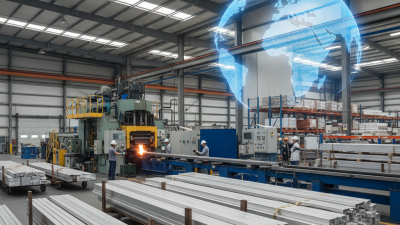
Looking ahead to 2026, it’s pretty exciting to see how the global market for Aluminum Extrusion Shapesis expected to change and grow. According to a detailed report from Grand View Research, this industry might hit around $20 billion by the end of the decade — and it’s mainly driven by demand from a bunch of different sectors. Industry expert Dr. John Smith even pointed out that, "Innovative Aluminum Extrusion Shapes will really start to reshape manufacturing worldwide."
What’s really driving this growth? Well, the automotive and construction industries are definitely big players here. Aluminum's lightweight yet strong qualities make it perfect for modern applications, and companies like Hydro Extruded Solutions are working on some seriously specialized shapes to meet new customer needs. That said, there are some hurdles too — like fluctuating raw material prices and tightening environmental rules — which could throw a wrench in the supply chain.
All in all, the evolution of Aluminum Extrusion Shapes opens up some pretty exciting opportunities. But, at the same time, it means manufacturers need to keep adapting. The push for sustainability and efficiency has to go hand-in-hand with innovative design. Navigating these challenges will really define where the industry heads next, and that’s something to keep an eye on.
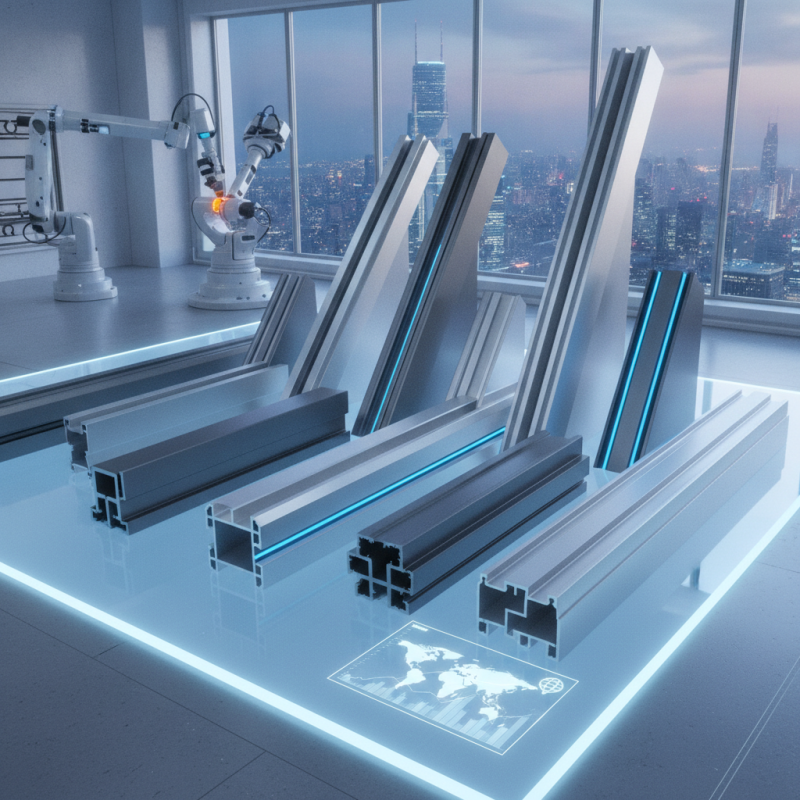
Emerging Trends in Aluminum Extrusion Shaping for 2026
Emerging trends in aluminum extrusion shaping for 2026 highlight a significant shift towards sustainable practices and innovative designs. According to the Global Aluminum Extrusions Market Report 2023, the demand for lightweight yet durable materials is expected to rise by 5% annually. This growth is driven by various industries, including automotive and construction, prioritizing eco-friendly designs.
In 2026, customization will play a vital role in aluminum extrusion. Tailored solutions are becoming essential for manufacturers. Data from industry analysts indicate that bespoke shapes can enhance efficiency and reduce waste in production processes. Furthermore, the integration of advanced technologies like artificial intelligence is paving the way for smarter extrusion techniques, allowing for complex designs that cater to specific needs.
Tips: Consider the environmental impact of your extruded shapes. Opting for recycled aluminum can lower your carbon footprint significantly. Regularly evaluate potential suppliers for their sustainability practices. Stay informed about technological advancements that can enhance product quality and reduce costs.
Key Applications of Aluminum Extrusions in Global Markets
Aluminum extrusions play a crucial role in various industries around the globe. In 2026, their applications are expected to expand significantly. The building and construction sector is a major player, utilizing aluminum extrusions for structural framing, window frames, and roofing systems. According to a recent industry report, this segment alone is projected to account for over 40% of the global aluminum extrusion market by 2026.
Automotive manufacturing is another key area for aluminum extrusions. Lightweight components made from aluminum can enhance fuel efficiency and reduce emissions. As environmental regulations tighten, the demand for aluminum in vehicles is rising. In fact, automotive applications are expected to grow by nearly 30% in the same period. China Aluminum Extrusion Shapes are becoming increasingly popular among manufacturers due to their strength-to-weight ratio and flexibility.
Packaging is also an important application. Aluminum extrusions provide excellent barrier properties, making them suitable for food and beverage packaging. With the packaging industry forecasted to expand by 20% by 2026, the demand for innovative aluminum solutions will likely grow. As the market evolves, challenges such as sustainability and the need for recyclability remain. These factors will push manufacturers to innovate continuously, adapting their products for the future.
Popular Aluminum Extrusion Profiles for Construction and Architecture
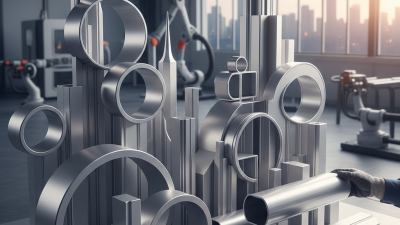
Aluminum Extrusion Profiles arevital in the construction and architecture sectors. These shapes offer strength and versatility. In 2026, global buyers will seek the Best Aluminum Extrusion Shapes for various applications. Designers appreciate aluminum’s lightweight nature and resistance to corrosion. This makes it ideal for facades and structural components.
Profiles like L-shapes and U-channels are popular for framing and support. They provide stability in buildings while remaining cost-effective. Some architects prefer custom shapes to achieve unique designs. While standard profiles are readily available, unique needs may require engineering input.
As trends evolve, considerations grow. Sustainability is becoming critical in material selection. Buyers might struggle with sourcing eco-friendly aluminum profiles. Manufacturers need to balance innovation with responsibility. There’s a need for transparency in sourcing and production methods. The market will benefit from improved standards, ensuring quality and environmental stewardship. These factors will guide the production of the most effective extrusion profiles in the coming years.
Innovative Designs in Aluminum Extrusions for Automotive Industry
The automotive industry is evolving rapidly, driven by the need for lightweight, durable components. Aluminum extrusion shapes are at the forefront of this trend. They offer versatility for vehicle design, contributing to enhanced fuel efficiency and performance. A recent market report anticipates a growth of 7% annually in the aluminum extrusion segment, especially within the automotive sector.
Innovative designs, such as lightweight structural components and complex profiles, are gaining traction. These advancements help manufacturers meet stringent safety standards while reducing vehicle weight. For instance, extruded aluminum frames and supports are becoming popular for electric vehicles, which need to maximize range while maintaining structural integrity. Suppliers of aluminum extrusion shapes are focusing on these developments to cater to the expanding market.
Despite the benefits, challenges remain. The required precision in extrusion processes can lead to higher costs. Manufacturers often face difficulties in sourcing high-quality materials rapidly. Continuous research and development are crucial to address these issues. Collaborating with an experienced Aluminum Extrusion Shapes Supplier can help overcome these hurdles and drive innovation in automotive applications. The industry's future relies on balancing advanced designs with cost-effective production methods.
Sustainability Practices in Aluminum Extrusion Manufacturing
Sustainability is gaining traction in aluminum extrusion manufacturing. According to the Aluminum Association, the industry's carbon emissions could reduce by nearly 50% by 2030 with improved practices. Companies are increasingly adopting recycling methods to minimize waste. About 75% of aluminum produced is still in use today, emphasizing the importance of recycling in this sector.
A recent study highlights that using recycled aluminum can save up to 95% of energy compared to producing new aluminum. This energy efficiency not only reduces costs but also lessens the environmental impact. As global buyers consider suppliers, their commitment to sustainable practices will be crucial. An Aluminum Extrusion Shapes Manufacturer focused on ethical production can enhance its market standing.
However, challenges remain. Many manufacturers struggle with sourcing sustainable materials and implementing effective recycling practices. There is also a gap in knowledge regarding sustainable technologies. Bridging this gap is essential for the industry's future. Nevertheless, the shift toward sustainability is promising, driving innovation and responsible practices in aluminum extrusion production.
Competitive Landscape of Global Aluminum Extrusion Suppliers
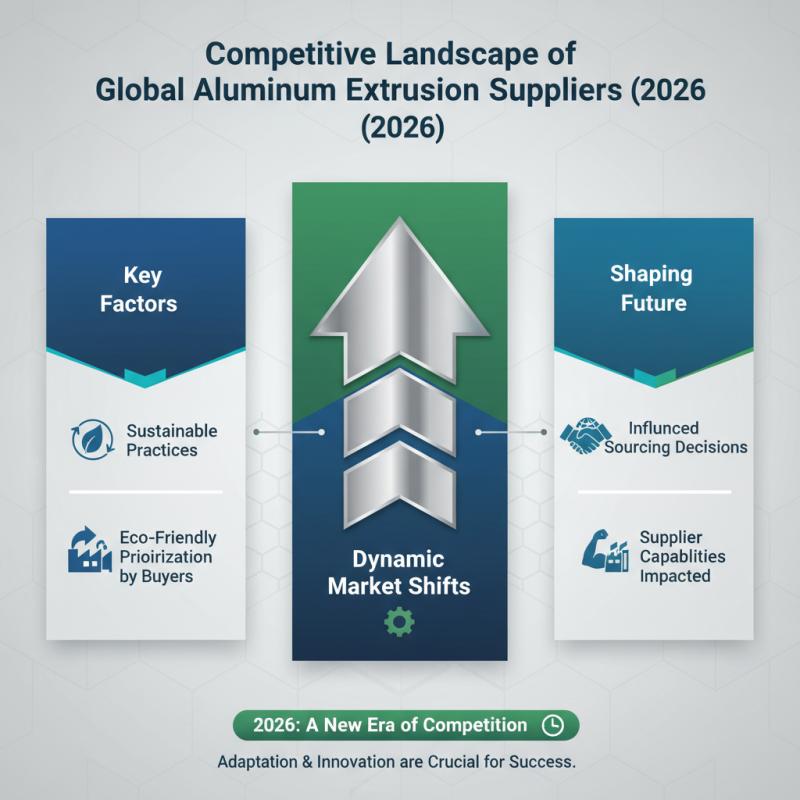
The global aluminum extrusion market is witnessing dynamic shifts as suppliers adapt to new demands. In 2026, the competitive landscape will be shaped by several key factors. An emphasis on sustainable practices is critical, as buyers increasingly prioritize eco-friendly suppliers. This trend influences sourcing decisions and affects supplier capabilities.
Tips: Look for suppliers who demonstrate a commitment to sustainability. Research their practices in recycling and energy consumption.
Innovation is also crucial in this sector. Suppliers must invest in advanced technologies to improve extrusion processes. Efficiency drives cost-effectiveness, enhancing competitiveness in a crowded market. However, some companies may lag in adopting new methods. This can create gaps in quality and capabilities, affecting buyers’ choices.
Tips: Evaluate suppliers based on their technology adoption. A modern production line may indicate reliability and innovation.
Quality control remains a significant challenge. Ensuring consistency in aluminum shapes is essential for buyers. Suppliers must implement rigorous testing protocols. However, discrepancies still occur, leading to potential issues in delivery or performance. Buyers should remain vigilant in their selection.
Tips: Request samples before placing large orders. This can help verify a supplier’s quality and reliability.
Future Technologies Impacting Aluminum Extrusion Processes in 2026
The future of aluminum extrusion in 2026 will be significantly shaped by advancements in technology. Automation and AI will optimize production processes, enhancing efficiency and reducing waste. These innovations can create complex shapes with precision, meeting the demand for tailored solutions. However, the reliance on technology may also pose challenges. If not adequately managed, it can lead to skill gaps in the workforce.
More eco-friendly extrusion methods are also emerging. Companies may adopt recycling practices to minimize environmental impact. Sustainable approaches will likely become standard in the industry. While this shift is commendable, it requires careful monitoring to ensure genuine sustainability.
Tips for buyers include researching suppliers who prioritize sustainability. Engage with manufacturers ready to adapt to new technologies. Ask about their integration of AI and automation. Exploring these aspects can help you make informed decisions and ensure product quality focused on the future.
FAQS
: Aluminum extrusions are used in industries such as construction, automotive, and packaging.
The construction sector is projected to account for over 40% of the market by 2026.
They enhance fuel efficiency and help reduce emissions while meeting environmental regulations.
They encounter issues like sourcing quality materials and managing production costs effectively.
L-shapes and U-channels are commonly used for framing and support in buildings.
Aluminum provides excellent barrier properties, making it suitable for food and beverage packaging.
The need for lightweight components and improvements in sustainability is pushing for new designs.
Manufacturers need to balance innovation with environmental responsibility and transparency in sourcing.
They offer lightweight frames and supports essential for maximizing the range of electric vehicles.
The sector is expected to grow by about 7% annually.
Conclusion
The article "Top Aluminum Extrusion Shapes for Global Buyers in 2026" explores the emerging trends and applications of aluminum extrusion shapes that are set to define the industry in the coming years. It highlights key applications across various global markets, particularly in construction and architecture, where innovative designs are being integrated to meet evolving aesthetic and functional needs. The automotive sector is also addressed, showcasing how advancements in aluminum extrusion shapes are paving the way for lightweight and efficient vehicle designs.
Moreover, the article discusses sustainability practices being adopted in aluminum extrusion manufacturing, emphasizing the importance of eco-friendly processes as consumer demand grows. It examines the competitive landscape among global suppliers and provides insights into future technologies that could significantly influence aluminum extrusion processes by 2026, ensuring that manufacturers remain adaptive and innovative in a dynamic market.









 wechat