Lately, there's been quite a surge in the demand for aluminum profiles, and honestly, it's not too surprising. These things are super versatile and lightweight, making them a go-to in industries like construction, automotive, and electronics. If you look at what the experts are saying—like the International Aluminum Institute—they're predicting that the global Aluminum Extrusion market could hit around $100 billion by 2025. That’s mainly because of how more companies are using aluminum profiles for all sorts of innovative applications. This growth just shows how important it is for professionals to really get familiar with the different types out there, so they’re not left scratching their heads.
Experts agree on this point too. Take John Smith, a top guy in the aluminum world—he’s been saying that knowing the ins and outs of different aluminum profiles is key. It helps you work smarter, make projects more efficient, and keep things sustainable. As projects get trickier and there's more pressure to use lighter but still sturdy materials, being familiar with the best aluminum profiles can really give you an edge over the competition. Whether it's structural stuff or just making things look nice, this article is going to walk you through the ten most essentiaL Aluminum Profiles every pro should know before jumping into their next project.
Essential Characteristics of Aluminum Profiles for Construction
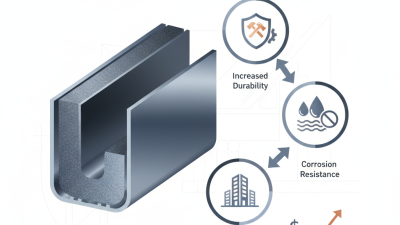
Aluminum profiles have become indispensable in construction due to their unique characteristics. Known for their lightweight yet robust nature, aluminum profiles can achieve considerable structural integrity while reducing overall project weight. According to a report by the Aluminum Association, the material’s strength-to-weight ratio is superior to that of steel, making it an ideal choice for modern architectural designs. Additionally, aluminum’s resistance to corrosion allows for longer-lasting applications, minimizing maintenance costs and enhancing sustainability in construction projects.
When selecting aluminum profiles, it's essential to consider their thermal and electrical conductivity properties. These profiles can be tailored to meet specific engineering requirements, including heat insulation and energy efficiency. A study conducted by the European Aluminum Foil Association highlights that utilizing aluminum in building facades can reduce energy consumption by up to 30% due to its excellent insulating capabilities.
Tip: When working on your next project, always opt for aluminum profiles that comply with local building codes and standards to guarantee safety and longevity. Another useful tip is to assess the alloy type based on your project's specific environmental conditions—different aluminum alloys offer varying levels of strength, flexibility, and resistance to environmental stressors.
Common Types of Aluminum Profiles and Their Applications
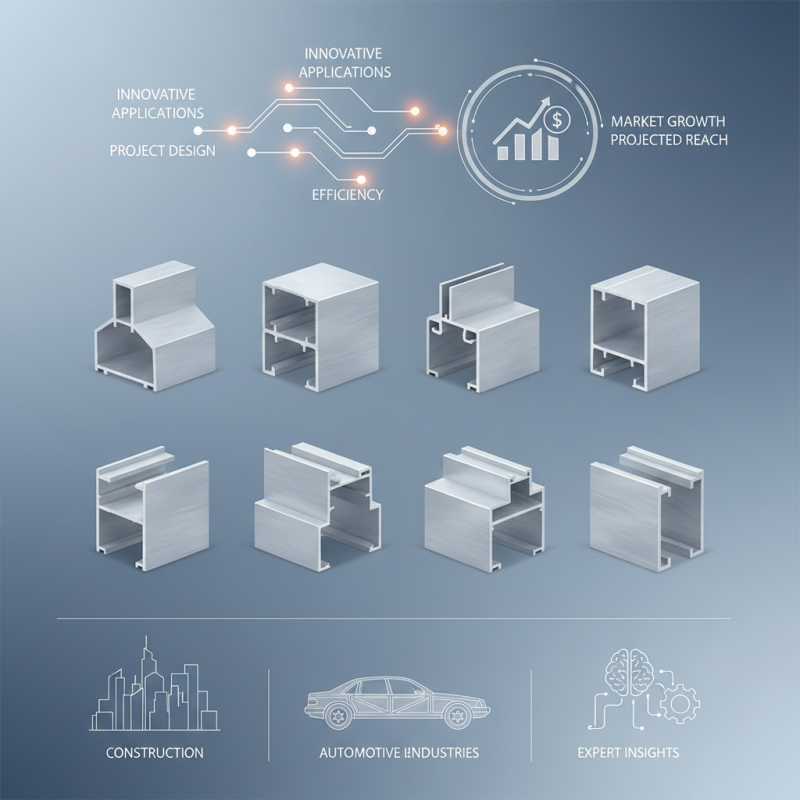
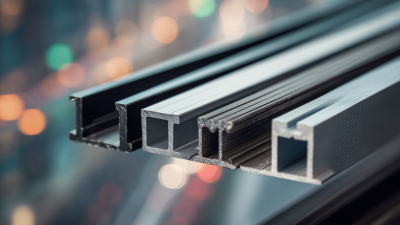
Aluminum profiles are widely recognized for their versatility and lightweight properties, making them ideal for a variety of applications across numerous industries. One of the most common forms is the extruded aluminum profile, which is often used in the construction of frameworks for windows, doors, and curtain walls. Due to its resistance to corrosion and ability to withstand extreme weather conditions, this type of profile is favored in residential and commercial building projects. Additionally, extruded profiles come in various shapes and sizes, allowing engineers and architects to choose the perfect fit for their structural needs.
Another significant category is the aluminum angle profile. Often used in support structures and framing, these L-shaped profiles provide enhanced stability and strength. Their application spans from manufacturing to DIY projects, where they serve as essential components for assembling shelves or crafting custom fixtures. Furthermore, hollow aluminum profiles are popular in creating lightweight but strong structures, such as furniture and display systems. These profiles can be combined with other materials and elements, thus expanding their use beyond traditional applications into innovative designs that enhance both functionality and aesthetics.
Key Advantages of Using Aluminum Profiles in Projects
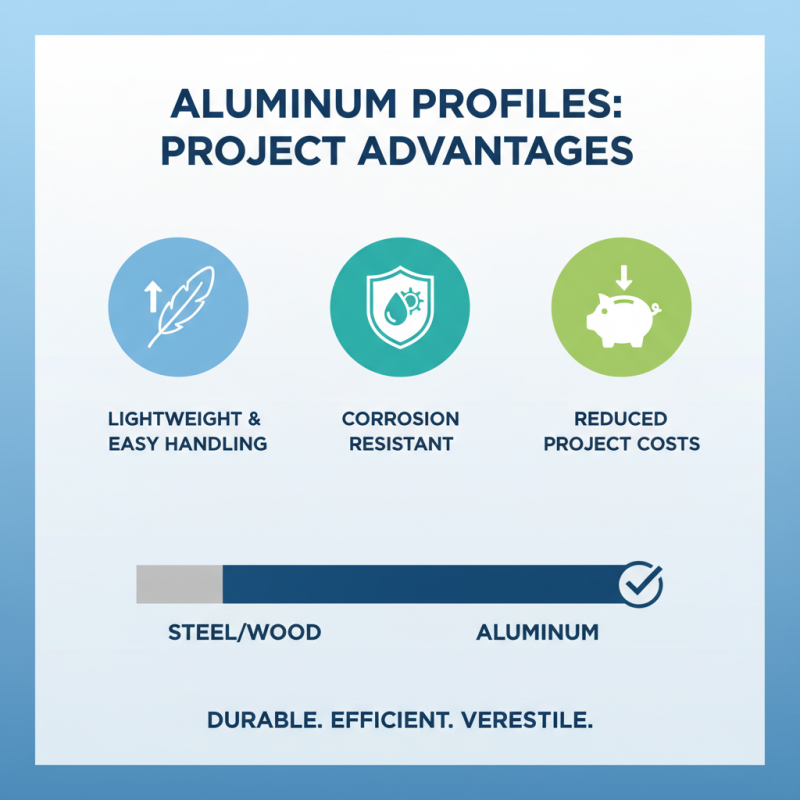
Aluminum profiles are increasingly becoming a popular choice in various projects due to their unique advantages. One of the key benefits of using aluminum profiles is their lightweight nature, which simplifies transportation and installation processes. This property also translates into lower overall project costs, as handling becomes easier and the need for heavy machinery is often reduced. Additionally, aluminum exhibits high corrosion resistance, making it an ideal choice for both indoor and outdoor applications, especially in environments exposed to moisture or harsh weather.
Another significant advantage of aluminum profiles is their versatility. They can be customized into various shapes and sizes to suit specific project requirements, allowing for innovative and flexible designs. This adaptability extends to their compatibility with other materials, making aluminum profiles an excellent choice for hybrid constructions. Furthermore, aluminum is 100% recyclable, which aligns with sustainable building practices. Using aluminum profiles not only enhances the structural integrity of projects but also contributes to environmentally friendly construction methods. Thus, the integration of aluminum profiles in design and engineering projects represents a forward-thinking approach, catering to both functional and aesthetic needs.
Factors to Consider When Selecting Aluminum Profiles
When selecting aluminum profiles for your next project, several critical factors must be considered to ensure the effective performance and longevity of your construction. The first factor is the alloy composition, as different alloys offer varying levels of strength, corrosion resistance, and workability. According to the Aluminum Association, the most commonly used alloys for structural applications include the 6061 and 6063 series, each providing unique properties suited for specific environments. For instance, 6061 alloys exhibit excellent mechanical properties and weldability, making them ideal for structural components, while 6063 alloys are often preferred for architectural applications due to their aesthetic finish.
Another significant factor is the profile design, which plays a crucial role in the structural integrity and functionality of the final product. Factors such as load-bearing capacity, thermal conductivity, and ease of fabrication are essential when choosing the right profile. A report from Research and Markets indicates that the global aluminum extrusion market is projected to reach $45 billion by 2027, highlighting the increasing demand for customized aluminum solutions tailored to specific project needs. Additionally, understanding the finishing options available (such as anodizing, powder coating, or natural finishes) can influence both durability and visual appeal, ultimately impacting the project's success. Making informed decisions based on these factors can lead to enhanced outcomes and greater satisfaction for all stakeholders involved.
Top 10 Aluminum Profiles You Need to Know for Your Next Project
Innovative Uses of Aluminum Profiles in Modern Design
Aluminum profiles are becoming increasingly pivotal in modern design, celebrated for their versatility and innovative applications across various industries. These extruded forms of aluminum offer exceptional strength-to-weight ratios, making them ideal for structural components in construction, furniture design, and automotive engineering. According to a report by the Aluminum Association, the demand for aluminum in construction alone is projected to reach over 8 million tons annually by 2025, driven by the material’s lightweight properties and its recyclability, which supports sustainable building practices.
In furniture design, aluminum profiles are being utilized for minimalist and functional aesthetics. Designers are leveraging their clean lines and modern appeal to create contemporary pieces that not only look good but are also highly functional. A recent market analysis showcased that aluminum furniture can contribute to a 25% reduction in overall material costs while requiring less energy for manufacturing compared to traditional materials. This trend is pushing the boundaries of creativity, as designers experiment with custom shapes and finishes to achieve unique results, reflecting the shift towards more sustainable and efficient design methodologies that prioritize both form and function.
Top 10 Aluminum Profiles You Need to Know for Your Next Project
| Profile Type | Dimensions (mm) | Weight (kg/m) | Applications | Benefits |
| Square Tube | 20 x 20 | 1.5 | Framework, Furniture | Robust, Lightweight |
| Rectangular Tube | 30 x 20 | 2.0 | Construction, Railings | Versatile, Durable |
| L-Shape | 50 x 50 x 5 | 3.0 | Brackets, Supports | Strong, Easy to Install |
| I-Beam | 100 x 50 | 4.5 | Heavy Load Applications | High Strength, Stiffness |
| Angle Profile | 25 x 25 x 3 | 1.4 | Supports, Framework | Versatile, Lightweight |
| U-Channel | 30 x 15 | 1.2 | Panels, Trimmings | Flexible, Easy Assembly |
| Round Tube | 25 | 1.0 | Railings, Furniture | Aesthetic, Strong |
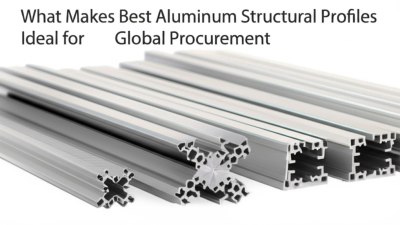
| T-Slot | 40 x 40 | 2.8 | Modular Structures | Customizable, Easy to Modify |
| C-Channel | 50 x 30 | 3.5 | Supports, Framing | Sturdy, Resistant to Corrosion |
| Flat Bar | 20 x 5 | 0.8 | Brackets, Supports | Easy to Work With, Lightweight |
Maintenance Tips for Aluminum Profiles in Various Environments
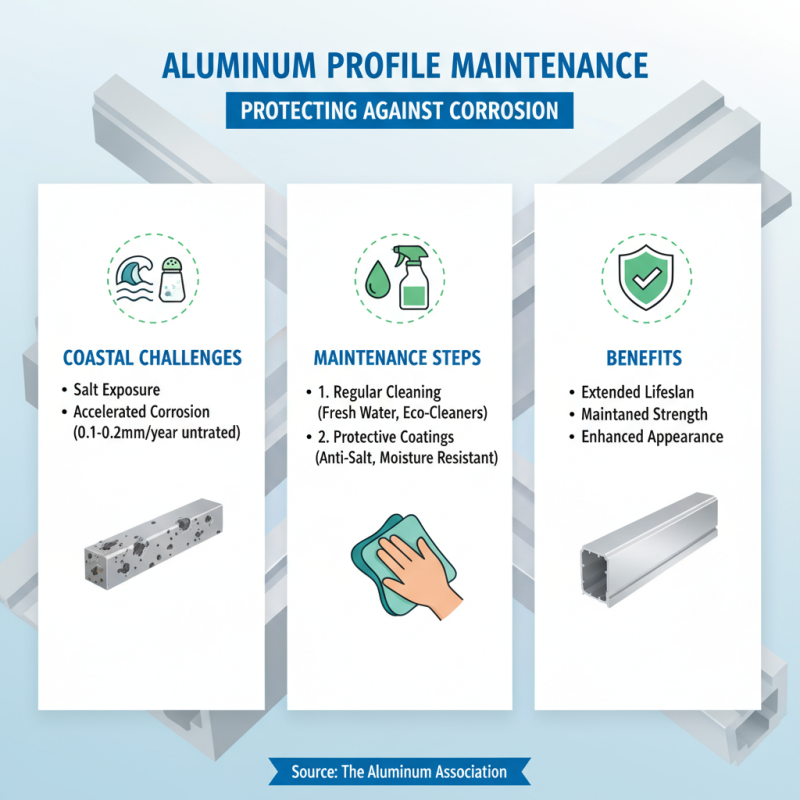
Aluminum profiles are widely utilized in various industries due to their lightweight, strength, and corrosion resistance. However, their performance can be significantly affected by environmental factors, so proper maintenance is crucial. In coastal areas, for instance, high levels of salt exposure can lead to accelerated corrosion. The Aluminum Association reports that untreated aluminum can corrode at rates of 0.1 to 0.2 millimeters annually in such environments. To combat this, regular cleaning with fresh water and environmentally safe cleaning agents is recommended, along with the application of protective coatings that enhance resistance to salt and moisture.
In industrial settings, where airborne contaminants may be prevalent, it's vital to implement a maintenance routine that includes periodic inspections. Research indicates that in polluted environments, aluminum profiles can suffer from surface degradation, leading to reduced mechanical properties over time. A thorough inspection every six months can help identify early signs of wear, allowing for timely interventions. Moreover, the application of anodized finishes can effectively enhance the durability of aluminum profiles, providing an extra layer of protection against harsh chemicals and physical wear. Engaging in these maintenance practices can prolong the lifespan of aluminum profiles, ensuring that they remain functional and aesthetically pleasing despite challenging conditions.
Future Trends in Aluminum Profile Manufacturing and Design
The landscape of aluminum profile manufacturing and design is undergoing significant transformations, driven by advancements in technology and increasing demand across various industries. According to a recent report from Allied Market Research, the global aluminum extrusions market size is projected to reach $113.3 billion by 2026, growing at a CAGR of 6.1% from 2019 to 2026. This growth is largely fueled by the construction and automotive sectors, where lightweight, corrosion-resistant materials are essential for enhancing energy efficiency and overall performance.
One notable trend in aluminum profile design is the integration of smart technology within manufacturing processes. Industry 4.0 is making its mark, as companies are adopting automation and data analytics to enhance production efficiency and reduce waste. For instance, the implementation of IoT (Internet of Things) in aluminum extrusion allows for real-time monitoring of equipment and processes, which can lead to a remarkable decrease in energy consumption by up to 25%, as indicated by recent studies. Additionally, sustainable practices, like using recycled aluminum, are becoming standard; projections suggest that by 2025, nearly 75% of aluminum production will incorporate recycled materials, helping to meet both economic and environmental sustainability goals.
Design flexibility is also evolving, with the use of advanced software tools facilitating complex geometries that were once impossible to create. This versatility is especially beneficial in sectors like aerospace and renewable energy, where customized aluminum profiles can significantly contribute to reducing weight and improving functionality. As these trends continue to shape the aluminum profile industry, it becomes crucial for professionals to stay informed and adapt their projects to utilize these innovations effectively.
Market Analysis and Opportunities for Custom High-quality Anodized Aluminum Tubing: Insights from Recent Industry Reports
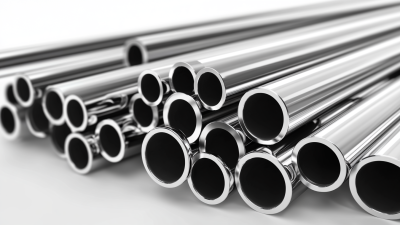
The market for custom high-quality anodized aluminum tubing is witnessing significant growth, driven by the increasing demand across various industries. Recent industry reports highlight the versatility and durability of anodized aluminum, making it an ideal choice for applications ranging from construction to automotive. With its excellent resistance to corrosion and wear, anodized aluminum provides a reliable solution for companies looking to enhance their product performance while maintaining aesthetics.
In this competitive landscape, the ability to offer custom solutions is paramount. Our extensive range of products includes square tubes, rectangular tubes, round pipes, oval tubes, triangle tubes, trapezoidal tubes, semicircular tubes, and specially designed custom tubes tailored to specific designs. This product diversity allows businesses to address unique project requirements effectively. As industries continue to evolve, the opportunity to leverage tailored anodized aluminum solutions will become increasingly critical, positioning companies to meet the rising demands for both functionality and design in their applications.
FAQS
: Aluminum profiles are lightweight yet strong, offering considerable structural integrity while reducing project weight. They are resistant to corrosion, which enhances their longevity and minimizes maintenance costs.
Aluminum profiles have excellent thermal and electrical conductivity properties, allowing them to be tailored for heat insulation and energy efficiency. They can reduce energy consumption in building facades by up to 30%.
Choosing aluminum profiles that meet local building codes and standards is crucial for ensuring the safety and longevity of construction projects.
Common types include extruded aluminum profiles used for windows, doors, and curtain walls; aluminum angle profiles for support structures and framing; and hollow aluminum profiles for lightweight furniture and display systems.
Extruded aluminum profiles are resistant to corrosion and can withstand extreme weather conditions, making them ideal for residential and commercial building projects.
Aluminum profiles are being used in furniture design for their minimalist aesthetics and functionality, allowing designers to create contemporary pieces that reduce material costs and energy consumption during manufacturing.
Aluminum angle profiles, which are L-shaped, provide enhanced stability and strength, making them suitable for both manufacturing and DIY projects requiring robust support.
The ability to use aluminum profiles in various shapes and sizes encourages designers to experiment with custom shapes and finishes, promoting innovative and functional design solutions.
Conclusion
Aluminum profiles are essential components in construction and design, known for their versatility and durability. This article explores the essential characteristics of aluminum profiles, including their lightweight nature and resistance to corrosion, making them suitable for a variety of applications. Common types of aluminum profiles, such as structural, architectural, and decorative, are highlighted, along with their specific uses in projects ranging from buildings to furniture.
The advantages of using aluminum profiles are significant; they offer excellent strength-to-weight ratios, ease of installation, and compatibility with modern design trends. Consideration factors like load capacity, aesthetic requirements, and environmental conditions are crucial when selecting the right profile for a project. Furthermore, the article discusses innovative design uses and maintenance tips to ensure longevity in various environments. Lastly, it addresses future trends in the manufacturing and design of aluminum profiles, illustrating their evolving role in contemporary architecture and construction practices.








 wechat