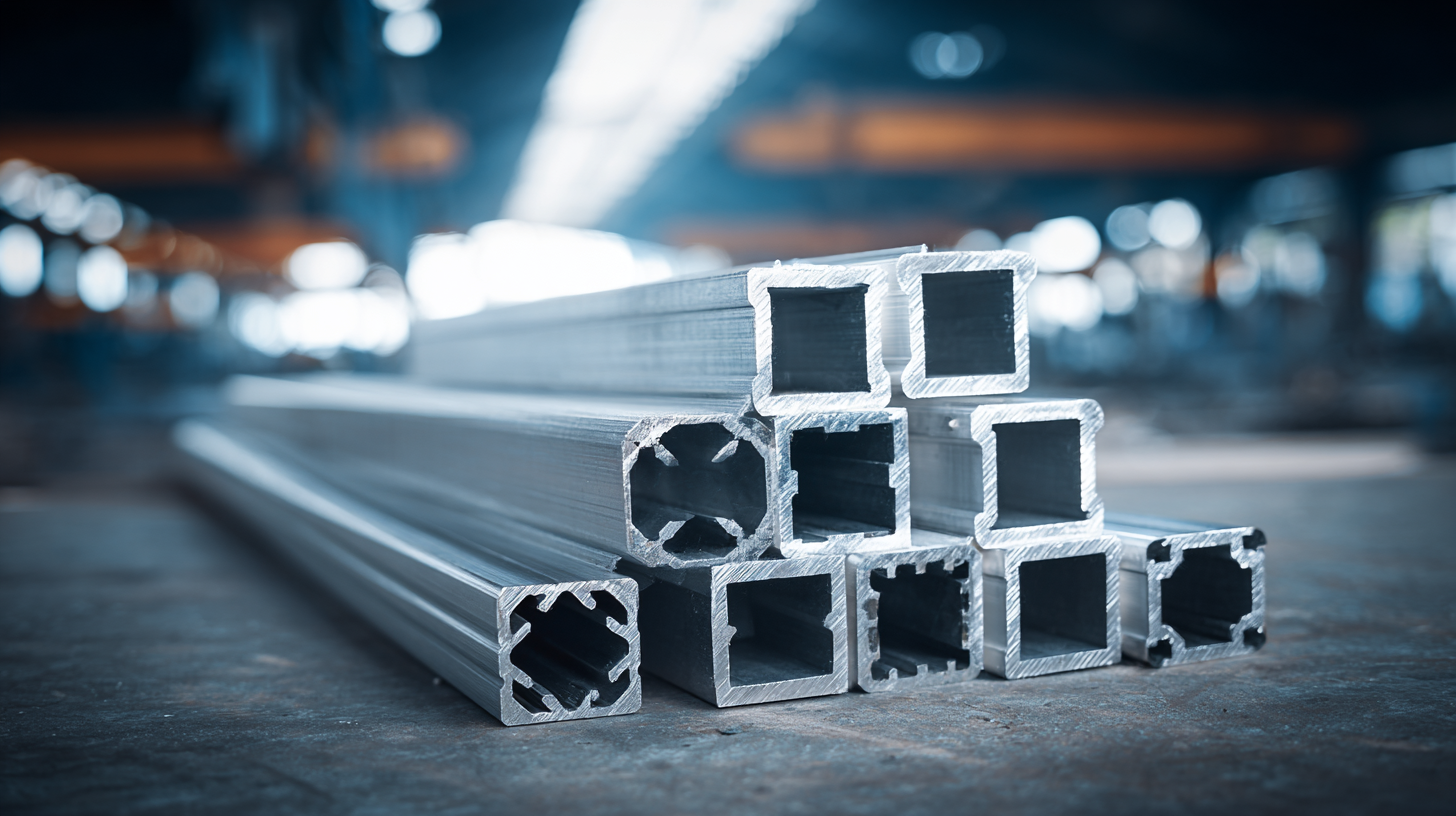
In the ever-changing world of manufacturing and construction, IndustriaL Aluminum Profiles have become indispensable—not just because they are lightweight, but also for their durability and corrosion resistance. Industry reports increasingly point to a healthy growth trajectory: the global aluminum profile market is expected to reach USD 60.44 billion by 2027, propelled by growing demand from sectors like automotive, aerospace, and architecture. Haixuan Metal Aluminium Profile Co., Ltd., founded in 2011, has built a reputation as a trusted original equipment manufacturer (OEM). They are focused on research and development, as well as production and sales of high-quality aluminum profiles. As we roll up our sleeves to explore the 15 top Industrial Aluminum Profiles for 2023, this guide aims to offer insights that not only showcase innovative designs but also address the changing needs of industries pushing for greater efficiency and sustainability.
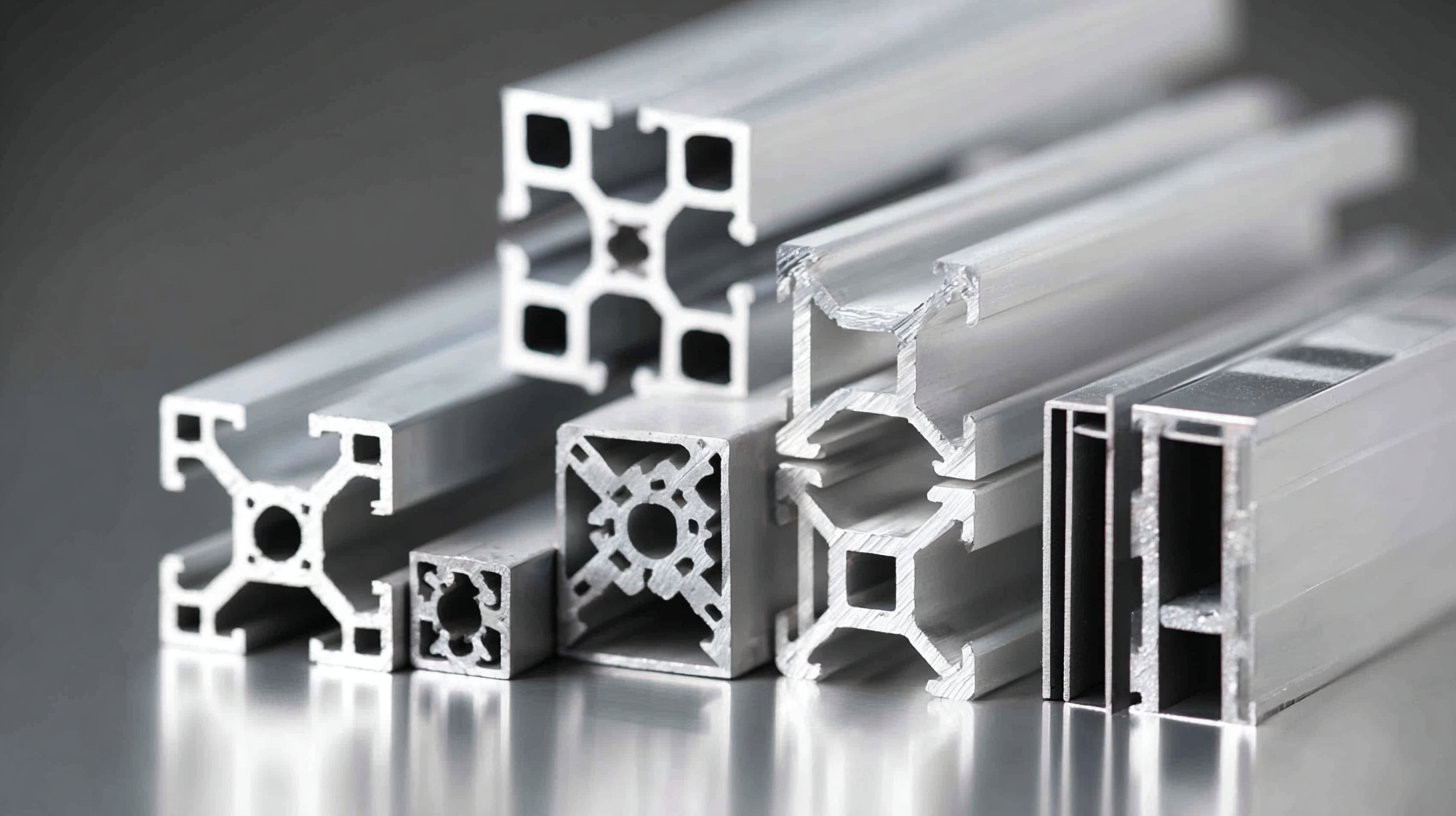
Innovative Uses of Industrial Aluminum Profiles Across Various Industries
Industrial aluminum profiles are gaining a reputation for versatility and some truly innovative uses across a bunch of industries. From cars to aircraft, their lightweight yet durable nature makes aluminum the go-to choice for manufacturers who want to boost efficiency without cutting corners on strength. In the automotive world, you’ll find aluminum profiles in structural components, improving vehicle performance while helping shave fuel consumption. And in modern electric vehicles, every gram really matters when it comes to extending battery life.
Another exciting area where aluminum profiles are making waves is construction and architecture. Their customizable shapes and sizes let designers blend aesthetics with practicality, opening up all kinds of creative possibilities. Aluminum facades not only boost a building’s visual appeal but also stand up to weather year after year. In the food and beverage sector, these profiles show up in conveyor systems, ensuring hygienic transport of goods while meeting strict safety standards. All of this shows that aluminum profiles aren’t just functional—they’re helping push the boundaries of design and engineering across multiple industries.
Comparative Analysis of Aluminum vs. Alternative Materials in Manufacturing
Lately, when people talk about manufacturing materials, a lot of the chatter centers on moving from aluminum to steel, especially in cars. That shift raises a familiar question: could using steel instead of aluminum hurt how a vehicle performs? Aluminum is well known for being light, which helps with fuel efficiency and handling. Steel, by contrast, brings strength and durability, but it usually adds more weight. Manufacturers have to weigh these trade-offs carefully, because the material choice can noticeably affect performance and even customer satisfaction.
When you’re evaluating materials for production, it helps to compare aluminum against alternatives like steel. Here are a few practical guidelines to keep in mind:
- Cost vs. Performance: figure out whether any potential savings from steel outweigh the performance benefits aluminum offers, especially in weight-sensitive applications.
- Lifecycle Analysis: think beyond the initial build. Consider longevity and recyclability. Aluminum often has a smaller environmental footprint over its life because it can be recycled without losing quality.
- Market Trends: keep an eye on industry shifts and forecasts for aluminum and other options. The aluminum market is expected to grow, and understanding these changes can guide strategic decisions.
In short, manufacturers need to stay flexible as material landscapes evolve, making sure they hit performance targets without breaking the bank.
Sustainability Benefits of Choosing Aluminum Profiles Over Other Options
When you're weighing sustainable materials for industrial applications, aluminum profiles really stand out. They’re highly recyclable and tend to have a smaller environmental footprint than steel or plastic. The Aluminum Association notes that recycling aluminum saves up to 95% of the energy that would be required to make new aluminum from bauxite. That number isn’t just impressive—it highlights why choosing aluminum profiles makes sense, especially in a time when saving energy matters more than ever.
Beyond energy savings, aluminum profiles are durable and long‑lasting, which translates into a lighter carbon footprint over their lifetime. The International Aluminum Institute reports that using aluminum can cut greenhouse gas emissions by as much as 50% compared with conventional materials. So, it’s not just about being green; it’s also about practicality and long‑term cost, since you won’t have to replace things as often.
Tips: When selecting aluminum profiles, look for manufacturers that prioritize sustainable practices, such as using recycled materials. Also, check life cycle assessment (LCA) reports for products to ensure your choice aligns with eco‑friendly goals. Finally, keep an eye on certifications like LEED—they can help gauge the environmental impact of building materials.
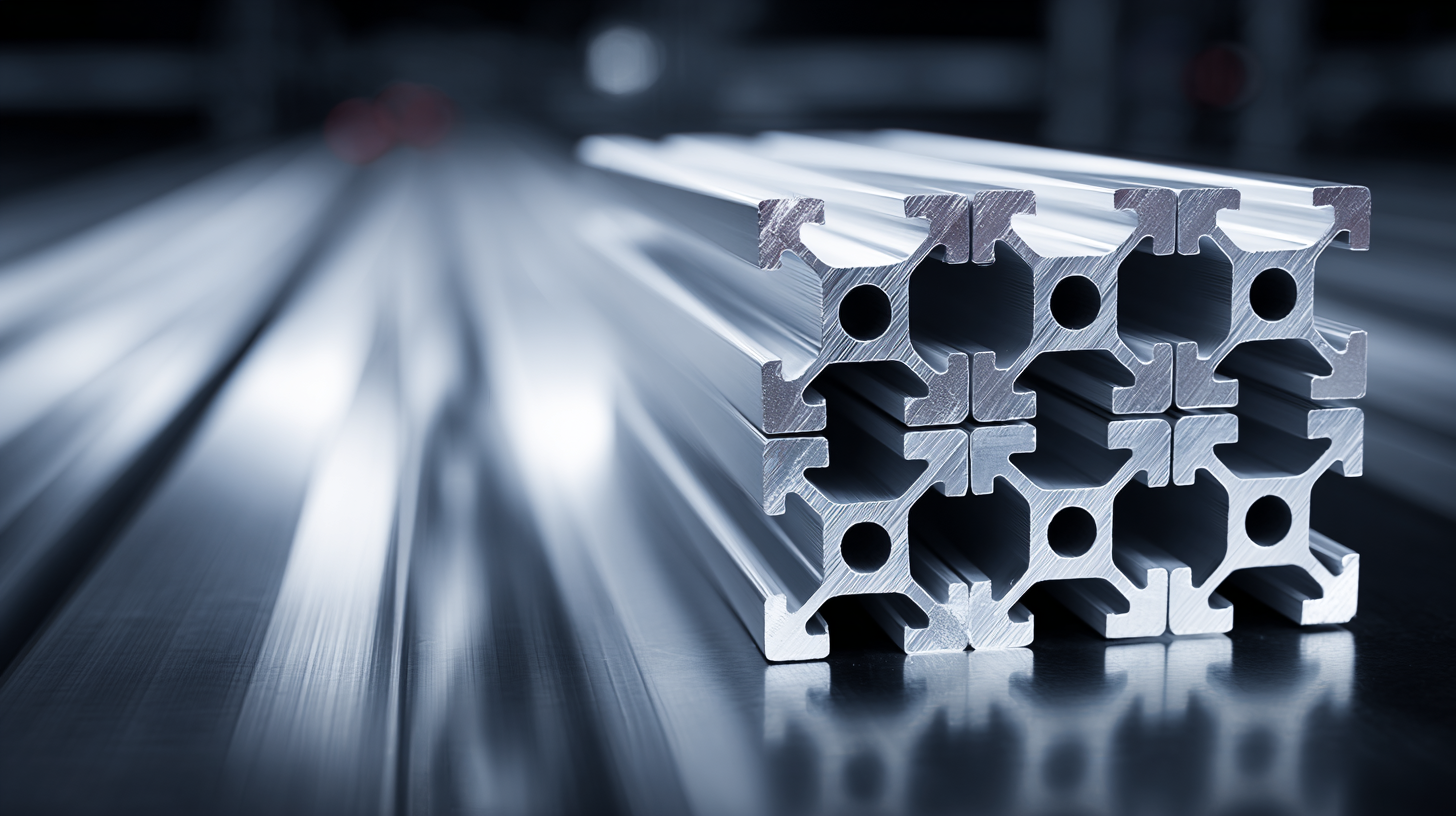
Cost-Effectiveness of Industrial Aluminum Profiles in Modern Construction
These days, in the building world, industrial aluminum profiles are catching on fast because they're cost-effective. Builders and architects alike are recognizing them as a smart choice. They're not just about strength and durability; they help keep the overall project budget in check. And because they're lightweight, transport is cheaper and on-site handling is a lot easier, which translates into noticeable savings on labor.
When you're picking aluminum profiles, look for designs that push strength up without wasting material. Go modular when you can; quick assemblies can seriously shave time off the schedule. Also, if you choose profiles with pre-finished surfaces, you can skip extra painting or coating, which boosts cost-effectiveness even more.
Another angle worth considering is energy efficiency. Aluminum profiles can contribute to better insulation, which helps cut energy use over the life of the building. And if you opt for profiles with sustainable certifications, you add value for environmentally minded clients and stakeholders.
Emerging Trends in Aluminum Profile Design and Their Alternatives
As we head into 2023, the world of industrial aluminum profiles is changing fast, with new trends reshaping how we manufacture. One big shift is sustainability — more and more manufacturers are chasing eco-friendly processes and materials, making profiles that are lightweight and tough, yet recyclable. Focusing on sustainability is nudging profile design toward innovations that cut waste without sacrificing strength.
Then there’s the tech side. Advanced manufacturing tech is seeping into aluminum profile production, and automation along with digitalization is boosting precision, letting shops churn out customized profiles tailored to specific industrial needs. And 3D printing is starting to shake things up too, offering alternatives to traditional methods, shrinking lead times, cutting costs, and letting companies experiment with intricate forms that used to be impractical.
All of this signals a truly transformative period for aluminum profiles, opening the door to more versatile and efficient solutions across industries.
Applications of Aluminum Profiles in Renewable Energy Solutions
Aluminum profiles are a big deal in the renewable energy world. They're lightweight, tough, and resistant to corrosion, exactly what you want when you're building stuff that has to last. Take solar setups, for example: aluminum profiles are everywhere in the mounting structures, keeping panels securely in place and oriented for maximum sun exposure. The beauty of these profiles is that they can be tailored to fit whatever site you're working with, helping you squeeze out more energy and extend the system's life.
When you're picking aluminum profiles for renewables, quality and sustainability should be up front. Pro tip: go with profiles made from recycled aluminum. Not only does that cut environmental impact, it can also improve structural integrity in some cases. Also, look at the coating and treatment options—these choices boost weather resistance and help the system hold up in harsh conditions over the long haul.
In wind energy, these profiles show up in turbine components and towers. Being lightweight matters here too: it makes transport and installation easier and cuts load on the structure. Pro tip: make sure the aluminum profiles work well with the other materials in the wind turbine system to avoid galvanic corrosion. A careful, well-integrated design can boost efficiency and cut maintenance costs over time, contributing to the overall success of renewable energy projects.
Applications of Aluminum Profiles in Renewable Energy Solutions
Exploring the Benefits of Heat Insulation Aluminum Window Extrusion Profiles: Industry Insights and Data-Driven Trends
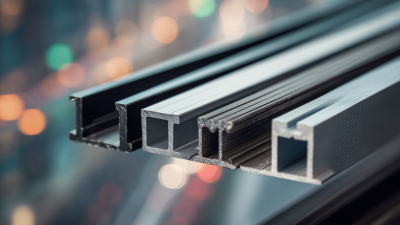
In today's ever-evolving construction landscape, the demand for energy-efficient solutions is at an all-time high. One standout option in this realm is the heat insulation aluminum window extrusion profile, particularly those made from 6030/T5 grade aluminum. This specific alloy is increasingly recognized for its optimal strength-to-weight ratio and resistance to corrosion, making it a top choice for modern doors and windows. Recent industry reports indicate that energy-efficient windows can reduce heating costs by up to 30%, illustrating the significant economic advantages these innovative materials offer.
The versatility of these aluminum profiles is underscored by their customizable features. With a thickness of 1.4mm or tailored options, they can be adapted to various architectural styles. The range of surface treatments such as powder coating, wood grain finishes, and anodization not only enhances aesthetic appeal but also improves durability, ensuring long-lasting performance. With certifications including CE, ISO, SGS, TUV, and ROHS, these profiles meet high industry standards, giving manufacturers and consumers peace of mind regarding quality and safety.
Market trends indicate a robust growth trajectory for heat insulation aluminum products, driven by increasing environmental awareness and consumer preference for sustainable building materials. As construction practices evolve, adopting high-performance solutions like these Aluminum Window Profiles becomes essential. With a minimum order quantity of 500kg for each profile, suppliers can efficiently cater to both large-scale projects and smaller renovations, further promoting the use of energy-efficient building materials in the industry.
FAQS
: The automotive, aerospace, construction, architecture, food and beverage, and renewable energy industries utilize industrial aluminum profiles.
Aluminum profiles are lightweight and durable, contributing to enhanced vehicle performance and improved fuel efficiency, which is particularly important in modern electric vehicles.
Aluminum profiles allow for customizable shapes and sizes, enabling creative designs that combine aesthetic appeal with functionality while providing resistance to weather conditions.
Aluminum profiles are used in conveyor systems to ensure hygienic transport of goods while adhering to stringent safety standards.
Factors include cost vs. performance, lifecycle analysis, and staying informed about market trends related to both materials.
They provide lightweight, durable, and corrosion-resistant solutions for applications such as solar panel mounting and wind turbine components, enhancing energy production and system longevity.
It's important to focus on quality and sustainability, choosing profiles made from recycled aluminum and considering coating options for weather resistance.
Ensure compatibility between aluminum profiles and other materials to prevent galvanic corrosion, which can improve efficiency and reduce maintenance costs.
The lightweight nature of aluminum profiles helps improve fuel efficiency and handling, making them advantageous in weight-sensitive automotive applications.
Aluminum has a lower environmental impact over its lifecycle due to its recyclability without quality loss, making it a more sustainable option compared to some alternatives.







 wechat