The aluminum extrusion industry is really gearing up for some pretty exciting changes, especially as more companies and consumers start prioritizing eco-friendly manufacturing. If you’ve read the latest market reports, you'll see that the global aluminum extrusion market is expected to hit around $100 billion by 2026. That’s mainly thanks to tech advancements and a stronger push for sustainable materials. Companies like Haixuan Metal Aluminum Profile Co., Ltd., which has been around since 2011, are leading the charge — focusing on R&D, production, and sales of top-notcH Aluminum Profiles. As more firms adopt greener practices, aluminum extrusion isn’t just about meeting industry needs; it’s also playing a big part in lowering carbon footprints and boosting energy efficiency. With everyone trying to innovate while keeping up with tougher environmental rules, the future of aluminum extrusion looks not only bright but also really vital for a greener, more sustainable economy.
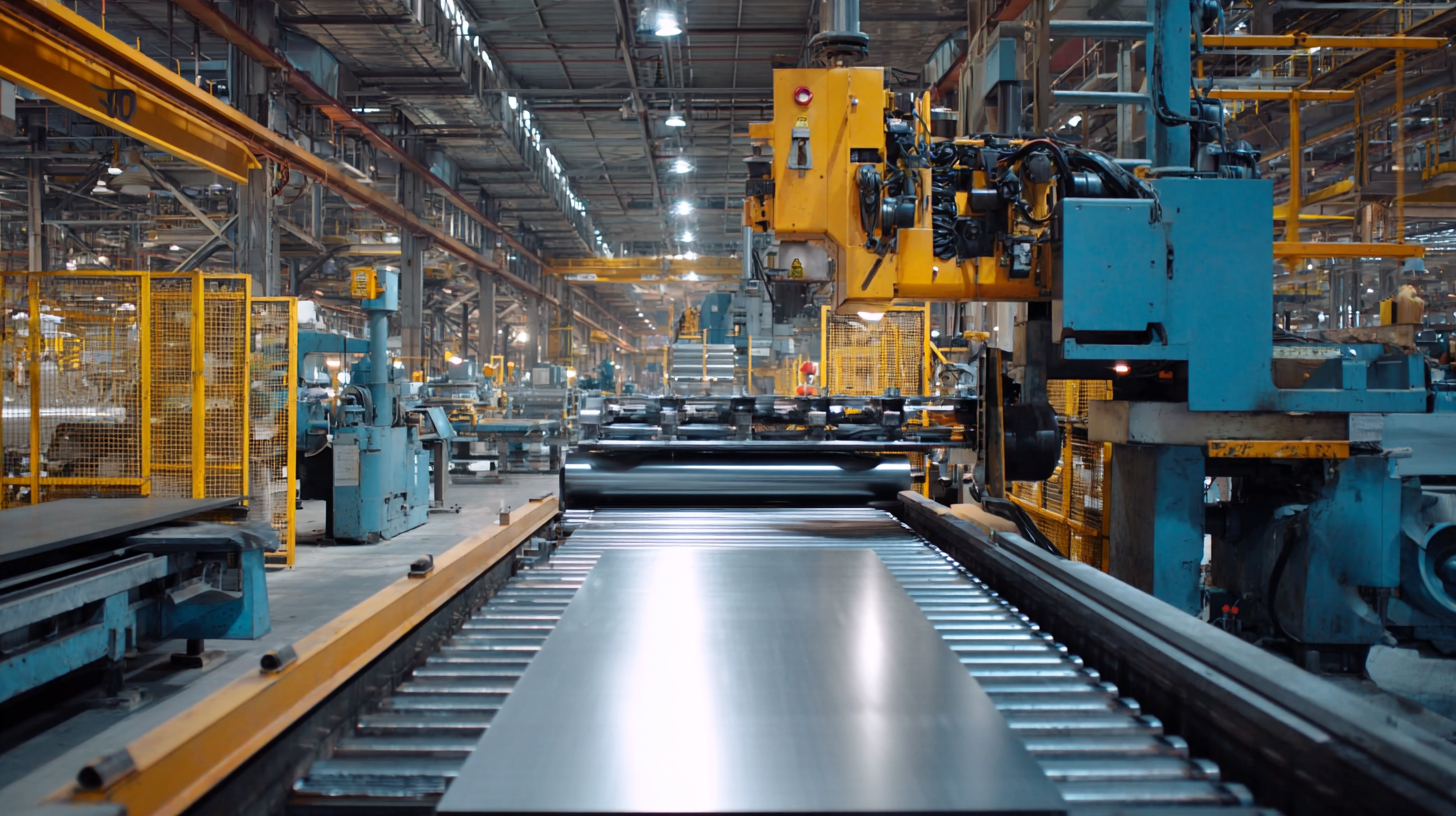
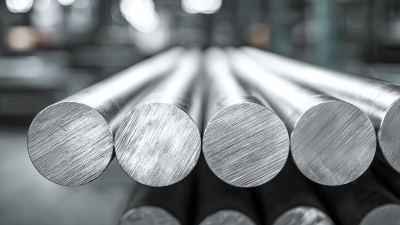
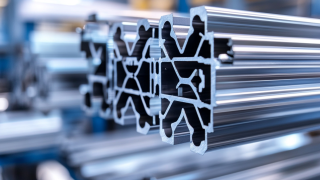
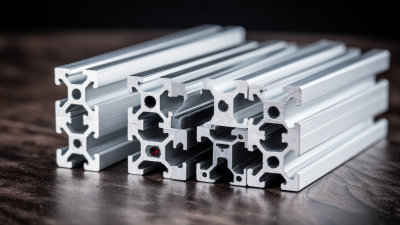
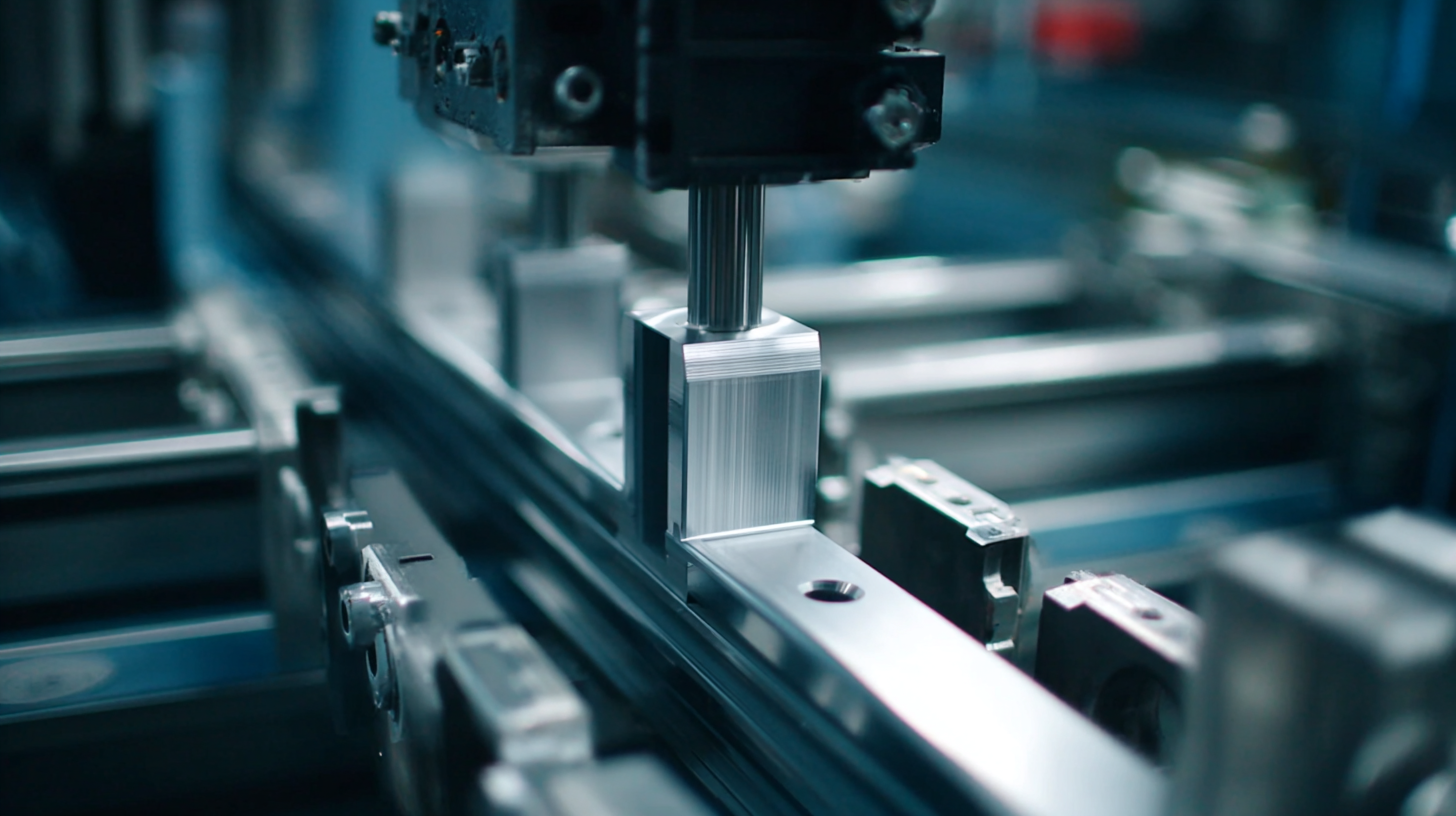
So, Aluminum Extrusion is basically this manufacturing process where they shape aluminum alloys into specific profiles by pushing the material through a die. It’s pretty important because it’s used to make all sorts of parts across industries like automotive, aerospace, and construction. The whole thing kicks off with heating up the aluminum to make it easier to work with—then, they just shove it through a die that’s got the shape they want. The end result? Lightweight, tough profiles that are also totally recyclable, which lines up nicely with eco-friendly manufacturing ideas.
One of the best parts about aluminum extrusion? Its versatility. Manufacturers can craft a huge variety of complex shapes and sizes, giving designers plenty of room for creativity—things that would’ve been tricky or impossible before. Plus, the process isn’t just flexible; it’s also pretty efficient. It kicks waste and energy use down a notch compared to other shaping methods, helping to cut down on environmental impact. As more industries start thinking green, aluminum extrusion’s role in making sustainable, eco-friendly products is only going to grow. It’s really becoming a key player in the move toward greener manufacturing practices.
Looking ahead, the future of aluminum extrusion in sustainable manufacturing is really being shaped by clever new techniques that boost efficiency and cut down on environmental impact. Take solid phase manufacturing, for instance — it’s pretty cool because it allows us to turn aluminum scrap into high-performance alloys without actually melting it down. Not only does this save a ton of energy, but it also helps cut greenhouse gas emissions significantly. By mixing recycled aluminum with other elements like copper, zinc, and magnesium, manufacturers can create custom alloys that cater to different industry needs while staying eco-friendly.
Then there’s the Shear-Assisted Processing and Extrusion, or ShAPE for short — this method is a game-changer because it brings down manufacturing costs and improves raw material quality at the same time. What's really impressive is how much it reduces energy use during the extrusion process. Plus, new advances like laser welding are opening the door to smarter, more sustainable ways to join materials, making the whole process even more efficient.
My tip? Companies that want to stay on top of the game in sustainable aluminum extrusion should definitely look into new tech like solid phase manufacturing and ShAPE. Partnering with research groups and innovation hubs can also help you stay ahead — adopting these cutting-edge methods not only keeps your processes green but also helps meet the growing market demands for more sustainable products.
You know, aluminum extrusion is really starting to stand out as a game-changer in sustainable manufacturing — and for good reason. Its eco-friendly perks are pretty impressive. Since aluminum is so light, it helps save energy, especially when we're talking about cars and buildings. I read somewhere that, according to the International Aluminium Institute, using aluminum in cars can boost fuel efficiency by up to 30%. That weight cut not only makes vehicles perform better but also helps cut down greenhouse gas emissions while they’re on the road. Pretty cool, right?
And here’s the thing about aluminum — it’s super recyclable. The Aluminum Association points out that about 75% of all aluminum ever made is still in use today, which is pretty incredible. Recycling aluminum takes just about 5% of the energy needed to make it from scratch, so it really helps lower our carbon footprint. If your company starts to use more recycled aluminum in your processes, you’re not just doing good for the planet — you’re also aligning with global sustainability goals, cutting down on waste and energy use.
**Quick tips for going green in manufacturing:** Think about switching to recycled aluminum wherever you can. It’s not just better for the environment — it could save you some money, too. Also, look into tech that can optimize your extrusion process to use less energy. Oh, and don’t forget to keep things transparent with your supply chain — making sure everyone’s on the same sustainable page helps a lot in the long run.
The future of aluminum extrusion tech is shaping up to be pretty exciting, especially with all these new trends coming into play—like sustainability and the European Union’s Carbon Border Adjustment Mechanism (CBAM), which is set to kick off in 2026. Basically, this regulation is all about tackling carbon emissions in international trade, and it’s going to be a game-changer for manufacturing practices around the world. As companies start feeling the pressure from these upcoming tariffs, they’re probably going to see investing in smarter, more eco-friendly aluminum extrusion methods as a top priority. By the way, the global market for aluminum extrusion is projected to grow from around USD 44.7 million in 2025 to about USD 63.1 million by 2033—that’s roughly a 4.4% annual growth rate, if you’re into numbers.
On top of all that regulatory stuff, the automotive industry is seeing a huge spike in demand for aluminum alloys. It’s expected to hit nearly USD 94 billion by 2033, mainly because everyone’s trying to make lighter, more fuel-efficient cars these days. As manufacturing methods evolve, companies like Haixuan Metal Aluminium Profile Co., Ltd. are really in a good spot to take advantage of these trends. They’re heavily invested in R&D and production of aluminum profiles, so they’re ready to meet the changing needs—especially in sectors that focus on sustainability and innovation. Long story short, as this industry adapts, continued growth in aluminum extrusion technology is going to be crucial for building a greener, more sustainable future across a bunch of different fields.
| Trend | Description | Impact on Industry | Sustainability Degree |
|---|---|---|---|
| Advanced Alloys | Development of new aluminum alloys for improved performance. | Enhanced strength and durability, reducing maintenance costs. | High |
| 3D Printing Integration | Incorporating aluminum extrusion with 3D printing for custom designs. | Allows for rapid prototyping and reduced material waste. | Medium |
| Smart Manufacturing | Utilizing IoT and AI to optimize aluminum extrusion processes. | Increases efficiency and minimizes energy consumption. | High |
| Recycling Innovations | New methods for recycling post-consumer aluminum scrap. | Promotes circular economy and reduces raw material demand. | Very High |
| Energy-Efficient Processes | Techniques that minimize energy use during extrusion. | Lowers operational costs and environmental impact. | High |
Looking ahead, the future of aluminum extrusion in sustainable manufacturing really depends on embracing new strategies that show genuine environmental responsibility. Companies need to jump on board with energy-efficient tech and make good use of recycled materials — it's all about cutting down waste and lowering that carbon footprint. Investing in smarter extrusion processes can help manufacturers use materials more efficiently, which not only helps our planet but can also boost profits. When businesses adopt these eco-friendly practices, they’re better positioned in a market that’s increasingly focused on sustainability.
But let's be real — making sustainability a reality isn’t just about tech; it’s a team effort. Getting everyone involved, including employees, in green initiatives fosters a culture of responsibility and fresh ideas. Plus, staying on top of new regulations means companies can be proactive rather than reactive, helping them run more smoothly and efficiently. When a company's strategy aligns with its sustainability goals, it not only contributes positively to responsible manufacturing but also keeps a competitive edge in the game.
This chart illustrates the implementation of sustainable practices in aluminum extrusion operations over the past five years. The data showcases the increasing adoption of energy-efficient technologies, recycled materials, and eco-friendly manufacturing processes.
Lately, there's been quite a buzz about sustainability in manufacturing, and aluminum extrusion isn't staying behind. A bunch of real-world examples have popped up showing how companies are reinventing their processes — not just to be eco-friendly, but to get more efficient as well. For example, Company A started using some pretty smart recycling methods that really cut down on waste. This wasn’t just good for the environment; it also meant they used fewer raw materials and saved a ton of energy during production. It’s like recycling with a purpose, seamlessly woven into what they do.
Then there’s Company B, which took a different route by switching to renewable energy sources for their extrusion work. They invested in solar panels, which meant a huge drop in their carbon footprint. And guess what? Besides helping the planet, this move also saved them money in the long run. These stories show that industry leaders in aluminum extrusion aren’t just ticking boxes to stay compliant — they’re actively looking for innovative ways to build a sustainable future. As more companies see how these strategies work, it looks like the industry’s heading towards greener, cleaner practices — and that’s pretty exciting.
: Aluminum extrusion is a manufacturing process that shapes aluminum alloys into specific profiles by forcing the material through a die after heating it to make it malleable.
Aluminum extrusion is vital for producing components used in various industries, including automotive, aerospace, and construction.
Key advantages include versatility in creating complex shapes, lightweight and durable products, and the ability to recycle the material endlessly, contributing to sustainable manufacturing practices.
The efficiency of the extrusion process reduces waste and energy consumption, resulting in a lower carbon footprint and supporting greener methodologies in manufacturing.
Companies can focus on integrating energy-efficient technologies, utilizing recycled materials, and investing in advanced extrusion processes for greater material efficiency and reduced carbon footprint.
Engaging employees in sustainability initiatives fosters a culture of responsibility and innovation and ensures compliance with emerging sustainability regulations.
Company A implemented advanced recycling techniques that significantly reduced waste and energy usage during production, showcasing the integration of recycling into the extrusion process.
Company B invested in solar power for its extrusion operations, significantly reducing its carbon footprint and aligning with global sustainability goals while achieving long-term cost savings.
The aluminum extrusion industry is poised for a substantial shift towards greener practices as more companies recognize the benefits of adopting innovative and sustainable strategies.
By aligning with sustainability goals, businesses can enhance operational efficiency, contribute to responsible manufacturing, and secure a competitive edge in an eco-conscious market.
So, I read this article called "Transforming Industries: The Future of Aluminum Extrusion in Sustainable Manufacturing," and I gotta say, it really highlights how important aluminum extrusion is in today’s manufacturing scene. It starts off by explaining what aluminum extrusion is all about—basically, how it’s a super versatile way to create different aluminum profiles that pretty much every industry relies on. What’s pretty cool is how the article points out some of the latest techniques that make the process more eco-friendly—things like cutting down waste and saving energy, which is a big deal these days.
As you go further into the article, it gets pretty exciting, talking about upcoming trends and how new tech could change the game for the industry. There are even some real-life examples of companies that are already making steps toward more sustainable practices, which gives it a nice practical touch. Overall, it really shows how companies like Haixuan Metal Aluminium Profile Co., Ltd. are stepping up to lead the way in creating greener aluminum products. It’s inspiring to see how all this effort is heading toward a more sustainable future.